
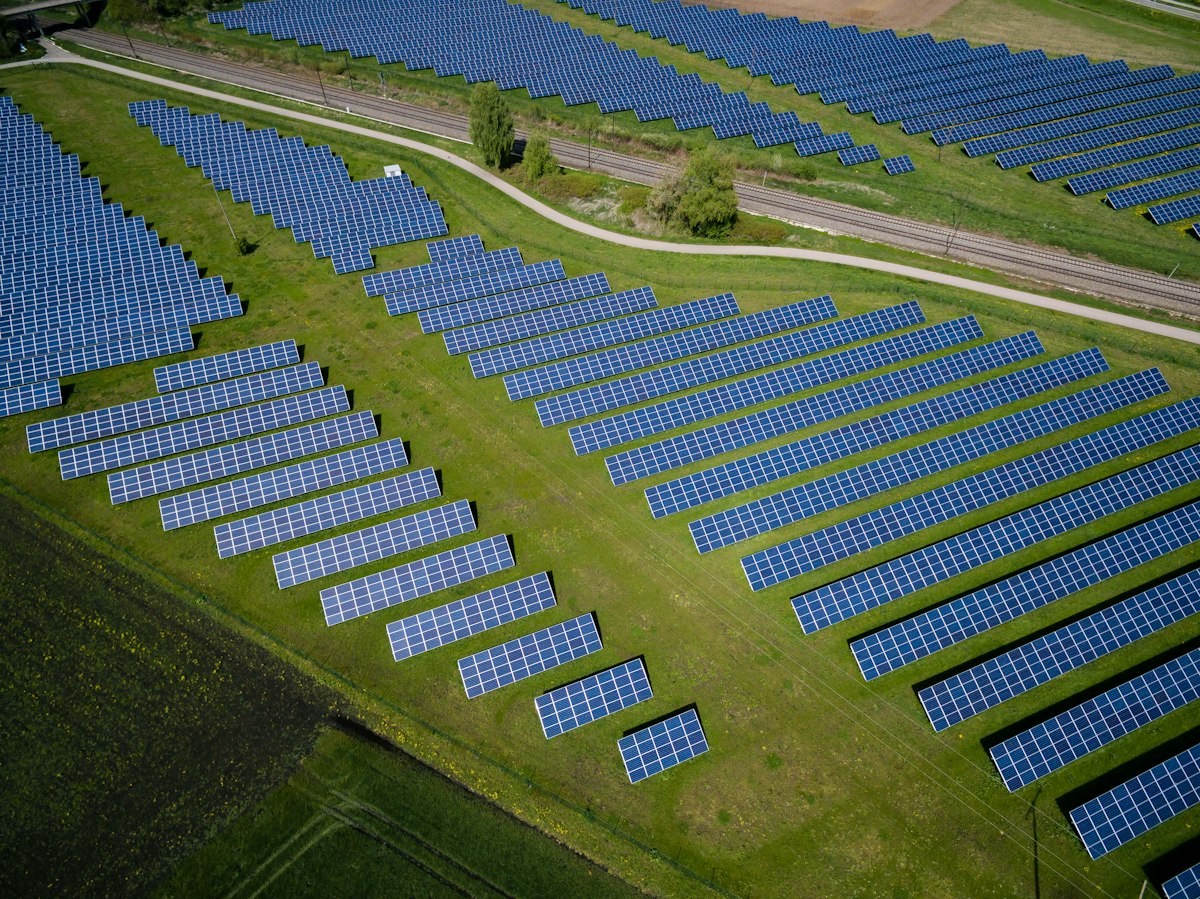
As of July 2026, Texas has solidified its status as a national leader in solar energy, with installations reaching a staggering 22 gigawatts (GW), representing a 35% increase compared to just one year ago.
The Lone Star State's embrace of solar energy is largely attributed to newly enacted tax incentives and the ongoing transition toward renewable sources. The Texas Legislature's recent passage of the Solar Energy Tax Credit Act, which provides a 30% credit on solar equipment and installation costs, has spurred both residential and commercial projects across the state.
Cities such as Austin and Houston are witnessing unprecedented growth in solar capacity. In Austin, the number of solar installations has increased by 50% since last year, thanks in part to the city’s ambitious goal of achieving 100% renewable energy by 2035.
“The state is undergoing a significant energy transformation, and solar power is at the forefront of this change,” said Dr. Linda Reynolds, Director of the Texas Renewable Energy Institute. “With the right policies in place, we can expect to see even more growth in the coming years.”
Moreover, major companies such as Texas Instruments and Dell Technologies have committed to sourcing 100% of their energy needs from renewable sources by 2030, further driving demand for solar installations. These corporate commitments are pivotal as they align with the state's broader economic goals and help to attract investment.
The financial implications are significant; industry experts estimate that solar energy investment in Texas could exceed $10 billion by 2030, creating thousands of jobs and driving local economies. With current trends, Texas may soon surpass California as the largest solar market in the United States.
While the upside is promising, challenges remain. Some stakeholders express concerns about the grid's ability to handle the surge in solar integration. The Electric Reliability Council of Texas (ERCOT) is continuously updating its infrastructure to accommodate this influx, but experts warn of the necessity for substantial upgrades.
As Texas leads the charge in renewable energy, industry stakeholders and policymakers will need to collaborate effectively to ensure sustainability and reliability for future generations.