
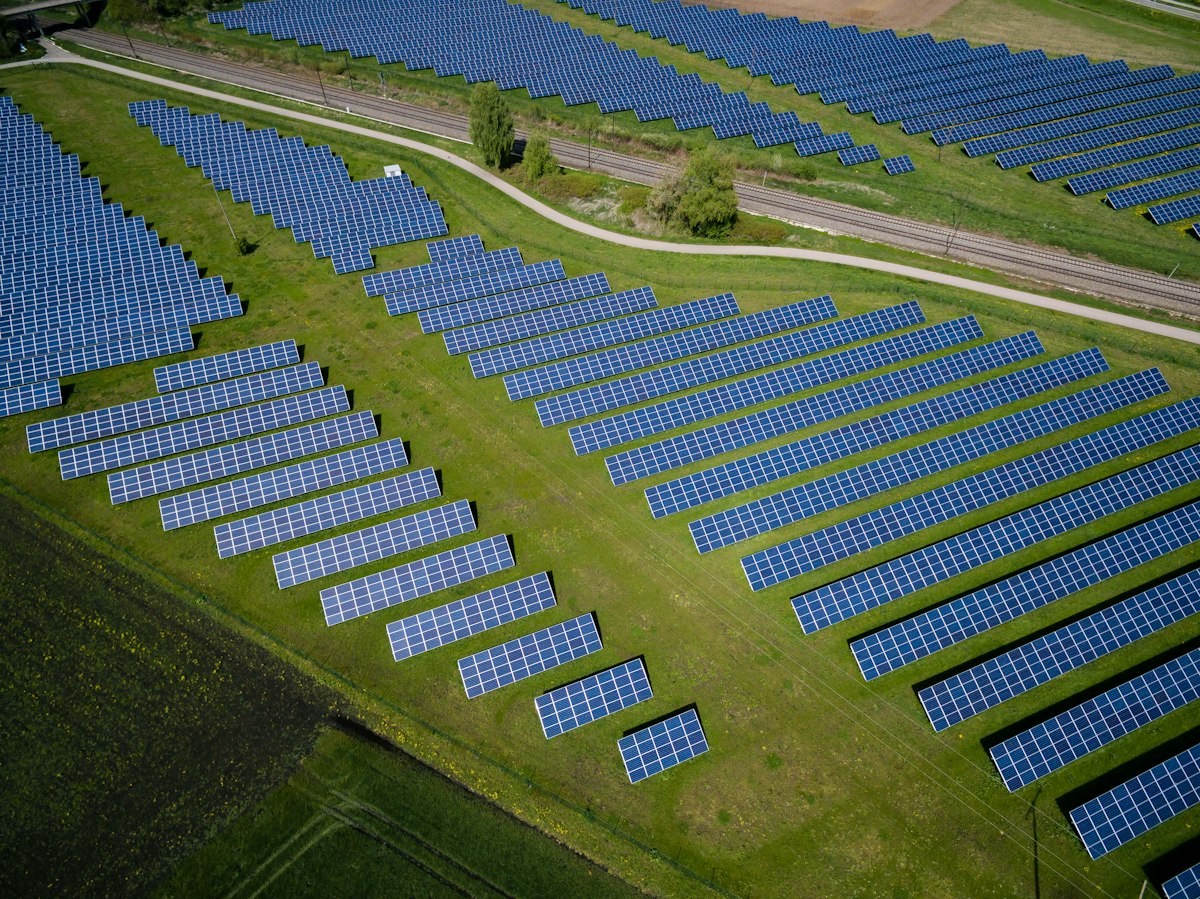
As Texas continues to assert its dominance in renewable energy, significant solar projects are being unveiled across the state, promising to increase the state's solar capacity by over 50% by the end of 2027.
The solar landscape in Texas has transformed dramatically in recent years, fueled by a combination of favorable policy, falling technology costs, and increasing demand for clean energy. According to a report by the Texas Solar Power Association, the state now boasts over 30 gigawatts (GW) of installed solar capacity, positioning it as the leading state in the nation.
Among the most notable projects is a $250 million solar farm being developed by Austin-based SunPower Corp. in the outskirts of San Antonio. Scheduled for completion in late 2026, the facility is expected to generate enough power to supply approximately 60,000 homes annually. “This project is a testament to Texas’s commitment to a cleaner energy future,” said SunPower CEO Peter Faricy during the announcement. “We are proud to contribute to the growing solar capacity in this great state.”
The surge in solar projects is also driven by Texas's unique energy grid structure. Unlike other states, Texas operates an independent grid that allows for greater flexibility in energy sourcing. This independence has attracted numerous investors and developers eager to capitalize on the state’s abundant sunshine and land availability.
Moreover, local governments are supporting the solar expansion through property tax incentives and streamlined permitting processes. In Houston, the City Council recently approved a new initiative to expedite solar project approvals, aiming to attract more renewable energy investments.
Despite the promising outlook for solar energy, challenges remain. The lack of federal renewable energy incentives has raised concerns among developers about the long-term viability of these projects. Many industry experts are advocating for renewed federal support to sustain the momentum of renewable energy growth in Texas and beyond.
As Texas pushes forward with its solar expansion, the state aims not only to meet its energy demands but also to lead the nation in clean energy production. By 2027, projections suggest that Texas could account for nearly one-third of the total solar energy capacity in the U.S., reinforcing its title as the energy capital of the country.