
As temperatures in Texas soar to unprecedented levels, the state has set new records in renewable energy generation, highlighting an impressive shift in its energy landscape.
On August 5, 2026, Texas achieved a remarkable milestone by generating over 75% of its energy from renewable sources, predominantly wind and solar. This surge in clean energy production comes as the state grapples with a prolonged heatwave, which has seen temperatures climb above 105°F across major cities including Dallas, Houston, and Austin.
According to the Electric Reliability Council of Texas (ERCOT), the daily energy demand peaked at 80,000 megawatts, with renewable resources contributing an astonishing 60,000 megawatts. This record is a testament to the resilience and innovation of Texas’s energy sector, said ERCOT CEO Brad Jones. "Our ability to harness clean power during peak demand days is crucial for both sustainability and reliability."
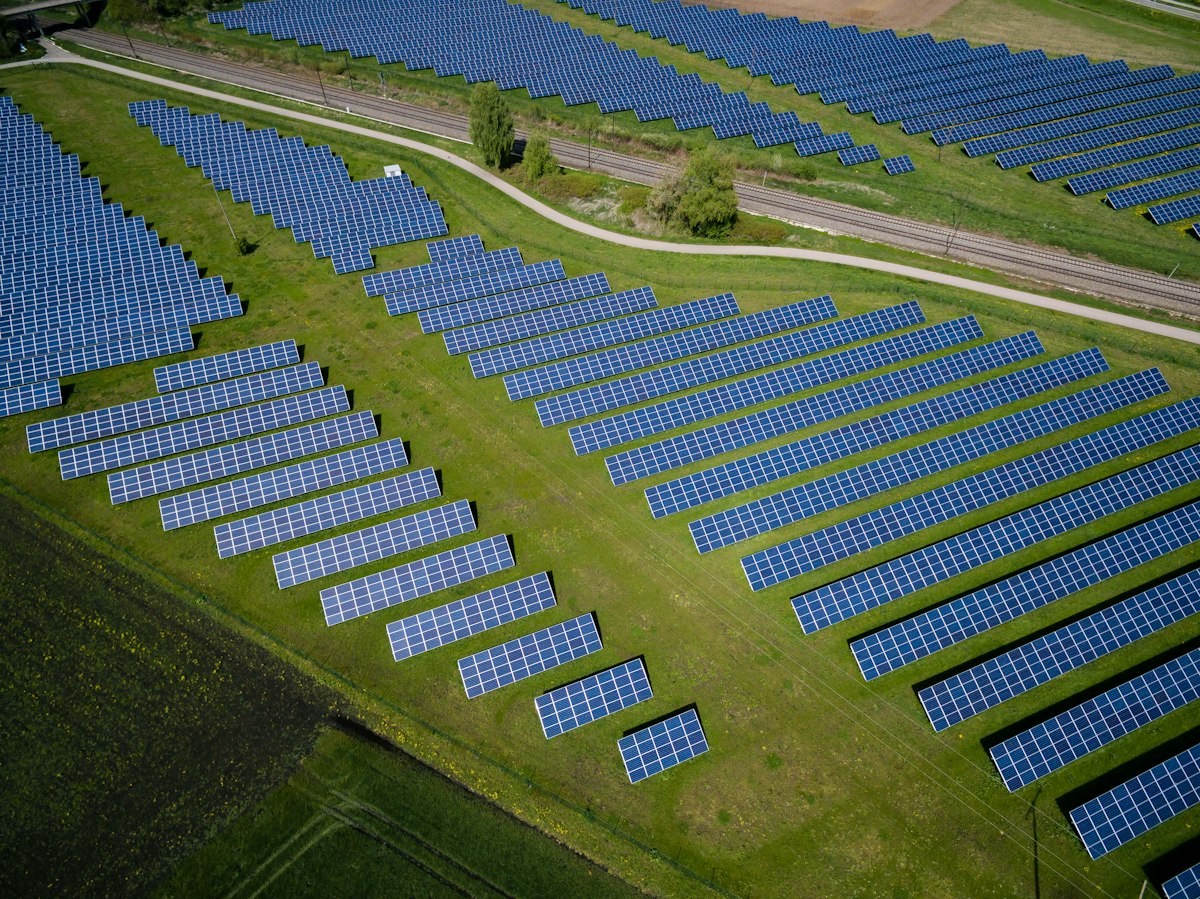
The increase in renewable energy is largely attributed to new investments in solar farms and wind projects over the past few years. Prominent companies such as NextEra Energy and Enel Green Power have expanded their operations significantly within the state, with NextEra unveiling a new 500 MW solar farm in Pecos County just last month.
The growth of renewables has also created jobs, with over 10,000 positions added in the solar sector alone in the last year, as per the Texas Workforce Commission. Local officials in cities like San Antonio are optimistic that these trends will continue, providing both economic growth and environmental benefits.
However, experts warn that while these achievements are commendable, the state must remain vigilant. "We cannot become complacent," cautioned Dr. Emily Voss, an energy policy analyst at the University of Texas. "Infrastructure challenges and grid reliability issues remain, especially with the increasing frequency of extreme weather events."
Despite potential challenges, the current trajectory suggests Texas is well-positioned to lead the nation in renewable energy production, with projections indicating that the state could reach 90% renewable energy generation by 2030.