
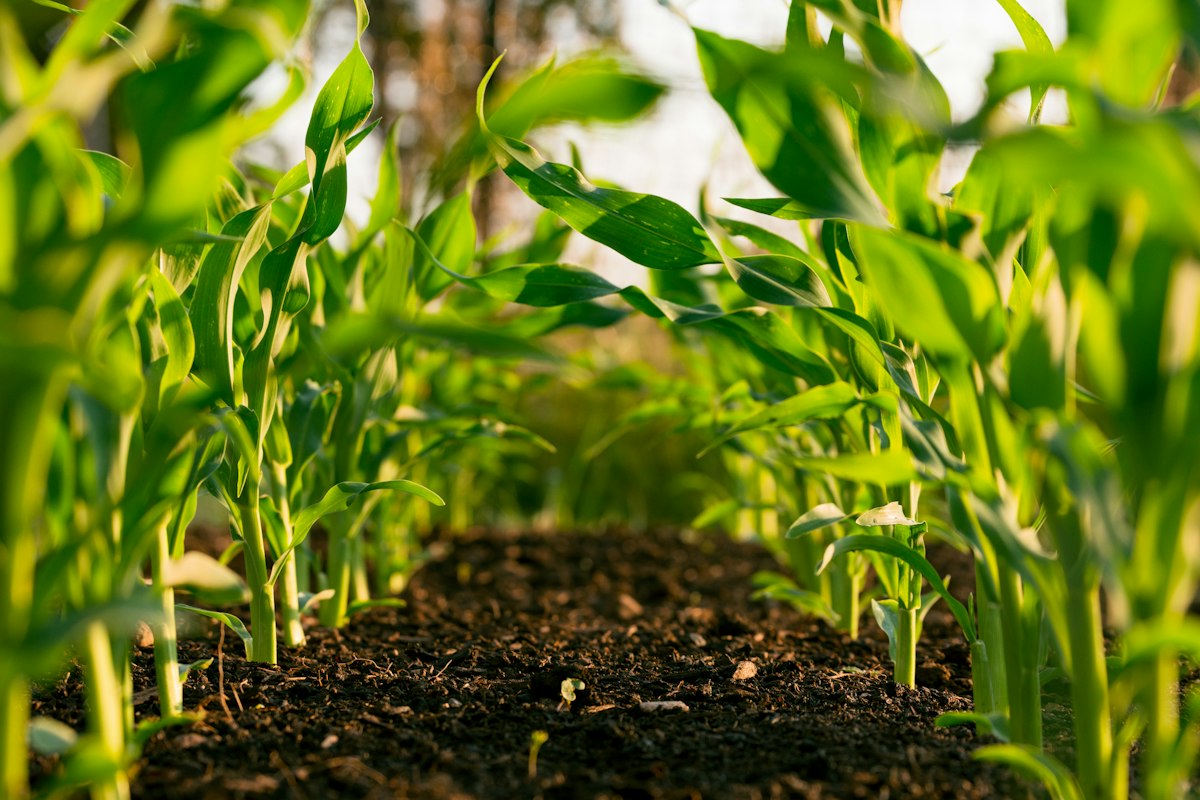
The Texas rice industry, particularly concentrated in the Upper Coast, is striving for recovery after a series of devastating storms disrupted production in 2025.
Hurricanes and heavy rainfall destroyed an estimated 50% of the rice crop last year, leading to a significant decline in yields. The Texas Rice Farmers Coalition is now spearheading initiatives to support farmers affected by these disasters, focusing on both immediate relief and long-term resilience.
“Our farmers have faced unprecedented challenges, but we are committed to rebuilding stronger than before,” said Johnathan Lee, president of the Coalition. “We are working on securing federal aid and promoting crop insurance options to cushion future blows.”
The Texas rice sector, which generates approximately $400 million annually, has been a crucial part of the state's agricultural landscape. However, the storm damage has led to concerns about food security and the economic stability of rural communities.
In response, the Coalition has organized workshops aimed at educating farmers about disaster preparedness and crop diversification. The emergence of new technologies in precision agriculture is also being promoted as a means to mitigate damage from extreme weather events.
“We need to adapt to the new normal,” said Dr. Elaine Roberts, an agricultural economist at Texas A&M University. “Investing in technology and diversifying crops can help us buffer against the volatility of weather patterns.”
State officials are also examining infrastructure improvements to enhance water management systems, crucial for both irrigation and flood control. The Texas Water Development Board has allocated $10 million for projects aimed at upgrading levees and drainage systems in agricultural regions.
Despite these efforts, challenges remain. Many farmers are still grappling with debt incurred from the losses, with some facing bankruptcy. The Coalition is actively engaged in discussions with banks and financial institutions to create more flexible lending options for affected farmers.
Looking ahead, the Texas rice industry aims to implement a comprehensive recovery strategy that not only addresses immediate needs but also fosters long-term sustainability. “We are building a coalition of support that encompasses farmers, local businesses, and government agencies,” Lee concluded.
As the new growing season approaches, the resilience of Texas rice farmers will be put to the test, but with collaborative efforts underway, there is hope for a brighter future.