
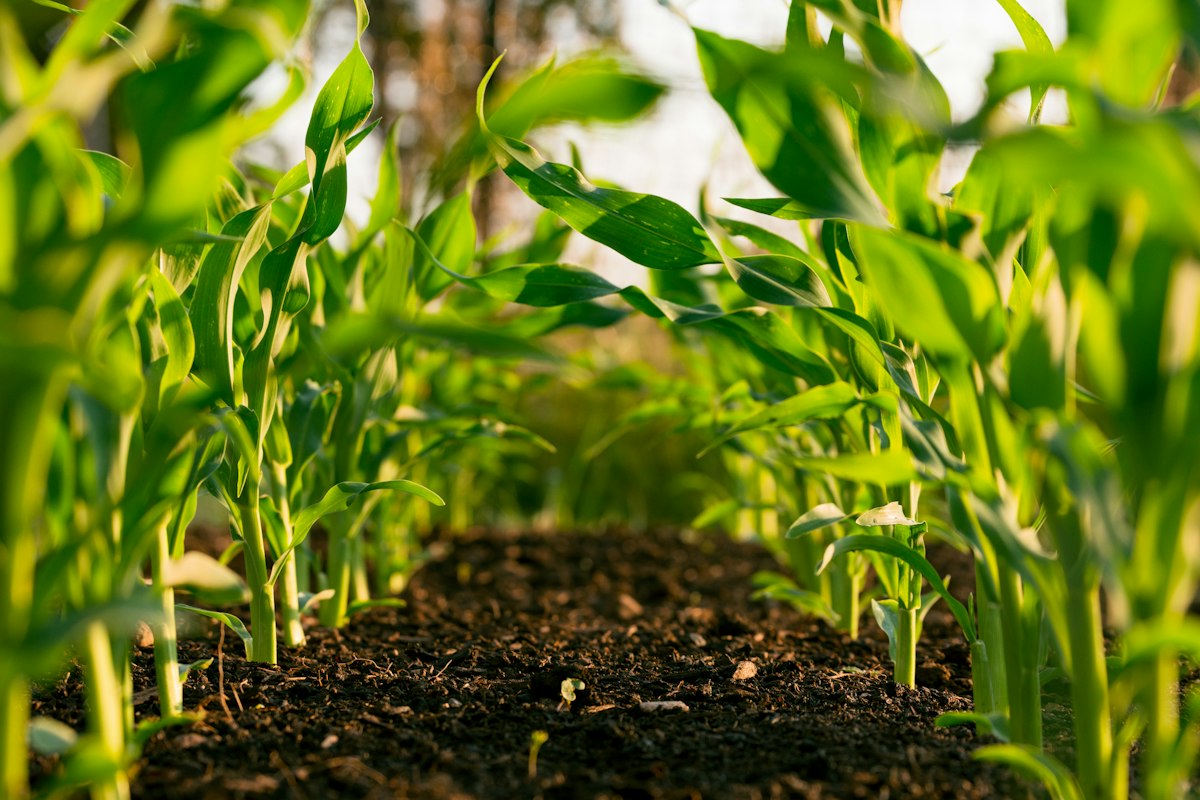
Faced with ongoing drought conditions, Texas rice farmers are leveraging innovative technologies to maximize water efficiency and ensure crop viability.
According to the Texas Rice Council, rice production in the state has decreased by 20% over the last decade due to persistent drought and water restrictions. However, recent advancements in irrigation technologies are helping farmers adapt to these challenges. The introduction of drip irrigation systems, which deliver water directly to plant roots, has proven to be a game changer for many producers.
“By implementing these new systems, we have been able to cut our water usage by nearly 40% while maintaining our yield,” said Maria Lopez, a rice farmer in Wharton County. “This technology is essential for our survival.”
In 2025, Texas produced approximately 1.3 million hundredweight of rice, valued at around $180 million. However, the industry's future relies heavily on its ability to adapt to water scarcity issues. Innovations such as soil moisture sensors and satellite monitoring are becoming commonplace as farmers seek to optimize their water usage.
The Texas A&M University System has developed several pilot programs aimed at educating farmers about these technologies. “Our goal is to ensure that farmers have the tools and knowledge they need to thrive in a changing climate,” stated Dr. Emily Carter, an agricultural engineer at Texas A&M.
In addition, the Houston-based company, AquaCrop, has introduced software designed to help farmers predict water needs based on real-time weather data. This kind of data-driven agriculture is gaining traction, especially in regions where water is limited.
With these innovations, Texas rice farmers are not just adapting to current challenges; they are also paving the way for a more resilient agricultural sector. Continued investments in technology and education will be critical as farmers navigate the complexities of modern agriculture.