
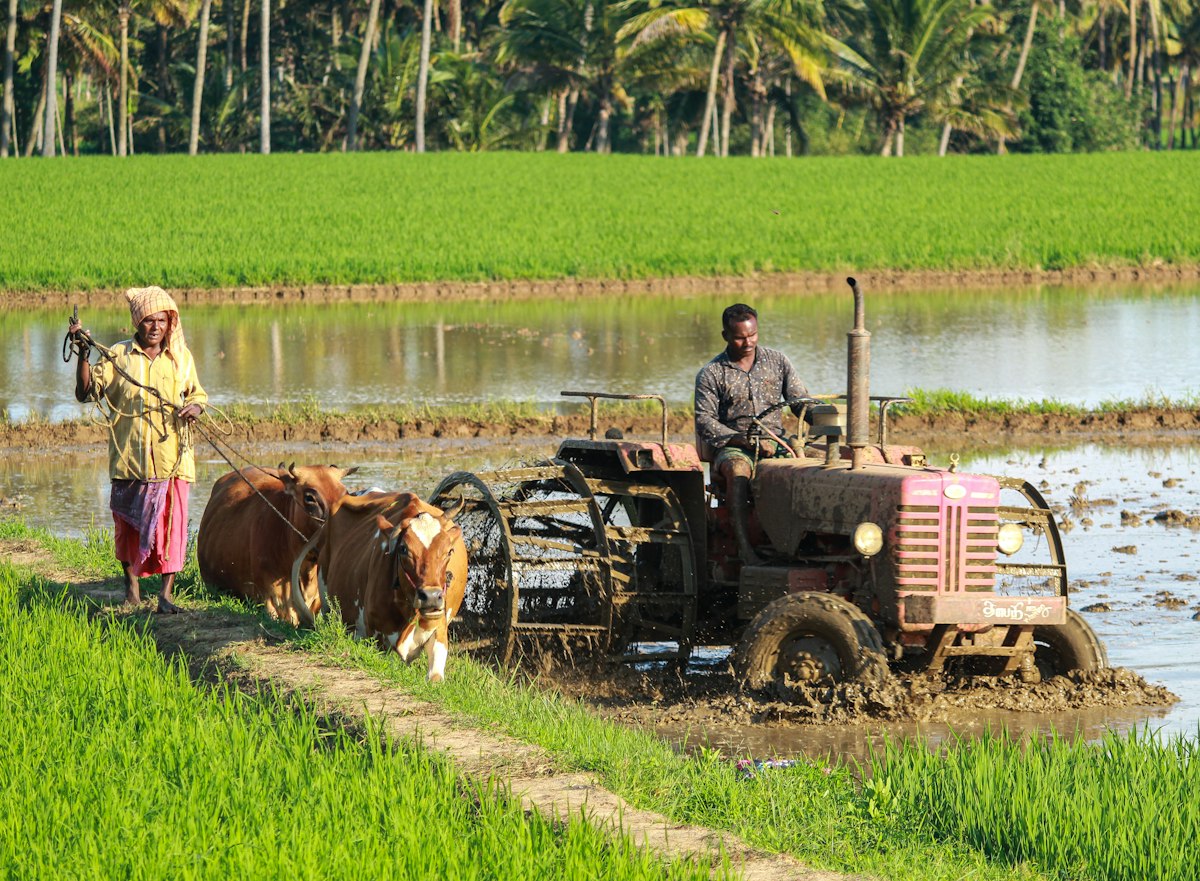
The Texas rice industry, historically a cornerstone of the state’s agriculture, is currently grappling with significant challenges as global competition intensifies.
According to the United States Department of Agriculture (USDA), Texas ranks as the fourth-largest rice-producing state in the country, with an annual output of approximately 1.7 million hundredweight. However, recent market reports indicate that Texas rice prices have dropped by nearly 15% over the past year, primarily due to increased imports from countries like Vietnam and India.
Key players in the Texas rice market, such as the Texas Rice Mill in El Campo, are feeling the pinch. Owner and operator, David Martinez, expressed concern over the shrinking profit margins. “We’ve worked hard to maintain quality, but the prices we can charge are being driven down by cheap imports,” he said.
The scenario has prompted Texas rice growers to rethink their strategies. Many are considering diversifying their crop portfolios to include more profitable options like soybeans or specialty rice varieties that cater to niche markets. The Texas Rice Producers Legislative Group has been actively advocating for policies that would support local growers and promote the consumption of Texas-grown rice.
The group has proposed a series of measures aimed at providing financial relief and increasing access to export markets. Recent legislative efforts led to the introduction of a bill aimed at offering tax incentives for rice farmers who adopt sustainable farming practices, thus enabling them to compete more effectively against international producers.
In response to the competition, many Texas rice farmers are also investing in technology to enhance productivity. With the help of the Texas A&M AgriLife Research Center, farmers are exploring new pest-resistant rice varieties and advanced irrigation techniques, showing promising early results with yield increases of up to 20% for those adopting these practices.
Despite these challenges, experts remain optimistic about the future of Texas rice. Dr. Linda Greene, a prominent agricultural economist at Texas A&M University, commented, “With strategic adaptations and support, Texas rice can reclaim its competitive edge in the global market.” She emphasizes the importance of innovation and collaboration among farmers, researchers, and policymakers to navigate the current landscape.
As the Texas rice industry confronts the impacts of global competition, the collective efforts of stakeholders could ultimately reshape its future, ensuring that Texas remains a vital player in the national rice market.