
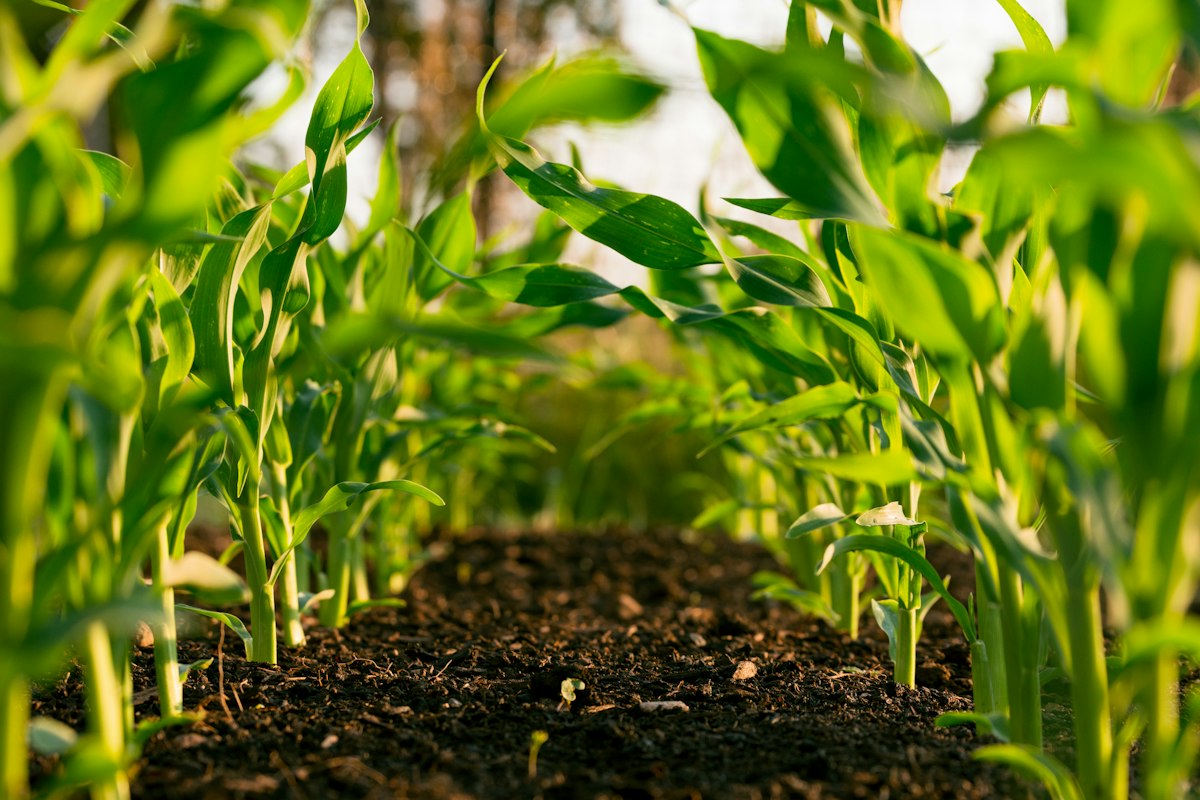
Texas rice farmers are bracing for another tough year as persistent water shortages threaten to diminish crop yields and profitability.
The state's rice production, concentrated mainly in the Coastal Bend region, has seen a 20% decline in output over the past two seasons due to prolonged drought conditions. Currently, Texas produces roughly 1.2 million tons of rice annually, significantly contributing to the U.S. rice market.
The Texas Water Development Board has reported that reservoir levels across the state are at their lowest since 2014, prompting concern among farmers. Leonardo Martinez, a rice farmer in Wharton, expressed his worries stating, “If we don’t get adequate water soon, I might have to leave my family’s farm after generations of hard work.”
The current drought has led to a reassessment of irrigation practices. Many farmers are now implementing water-saving techniques, such as alternate wetting and drying (AWD) practices, a method that has shown to conserve water while maintaining yield quality.
In El Campo, the Texas Rice Commission is spearheading a new campaign aimed at educating farmers about efficient water management strategies. “It's critical that we adapt our practices to ensure the sustainability of rice farming in Texas,” said Commission Chairman Ryan Davis. “We need to be stewards of our water resources.”
Additionally, the Texas Legislature has made funding available for water conservation projects, allocating $2 million to support infrastructure improvements such as rainwater harvesting and recycling systems.
The U.S. Department of Agriculture (USDA) has also stepped in, offering financial assistance through its Emergency Conservation Program, which provides funds to farmers affected by drought. However, many farmers feel that while these measures are helpful, they are not enough to counteract the long-term impacts of climate variability.
Farmers are increasingly advocating for comprehensive water management policies at both state and federal levels. “We are not just fighting for our crops; we are fighting for our way of life,” emphasized Maria Gonzales, a rice producer from Bay City.
As Texas rice farmers navigate these challenging times, the need for a collaborative approach to water management has never been more urgent. With the future of rice farming hanging in the balance, the state's agricultural community is calling for immediate action to safeguard their livelihoods.