
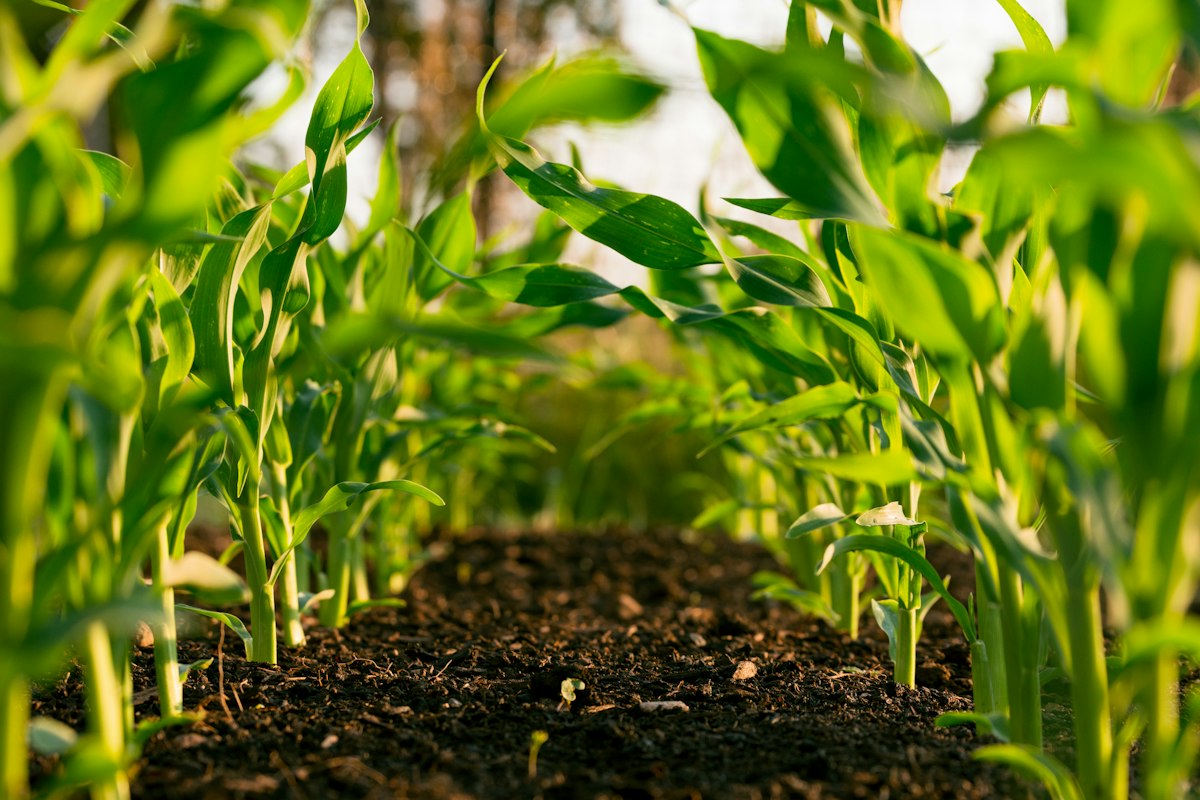
Texas rice farmers are grappling with declining prices and increased competition from foreign imports, raising concerns about the viability of the state's rice industry.
The Texas rice sector, which contributed approximately $200 million to the state’s economy last year, is now facing pressures from countries like Vietnam and Thailand, which have ramped up rice exports at lower prices. In the first half of 2026 alone, rice imports into the U.S. surged by 12%, further complicating the market landscape for Texas producers.
“The market dynamics have changed drastically,” says Bill Thompson, a rice farmer operating near Beaumont. “We’re used to competing with other domestic producers, but now we’re up against subsidized prices from overseas.” Thompson's yields have suffered this season; he reports a 15% decrease in production revenue compared to last year.
In response to these challenges, the Texas Rice Improvement Association is advocating for policies that promote fair trade practices and protect domestic rice farmers. “We need to ensure that our farmers can compete on a level playing field,” states association president Laura Jenkins. “Our rice is quality, but without support, we risk losing our farms.”
The association is also exploring new markets for Texas rice, including specialty products that appeal to health-conscious consumers. Organic and gluten-free varieties are gaining traction, with sales projected to reach $1 billion nationwide by 2028. Texas rice farmers are being urged to adapt and innovate in order to capture these emerging trends.
Furthermore, the state has launched initiatives to better connect producers with local consumers, aiming to bolster sales through farmers' markets and community-supported agriculture (CSA) programs. “By promoting local consumption, we can create a sustainable demand for Texas rice,” says agricultural commissioner Sid Miller.
As the situation evolves, Texas rice farmers are at a crossroads, facing both challenges and opportunities. The next few years will be crucial in determining the future of this essential agricultural sector.