
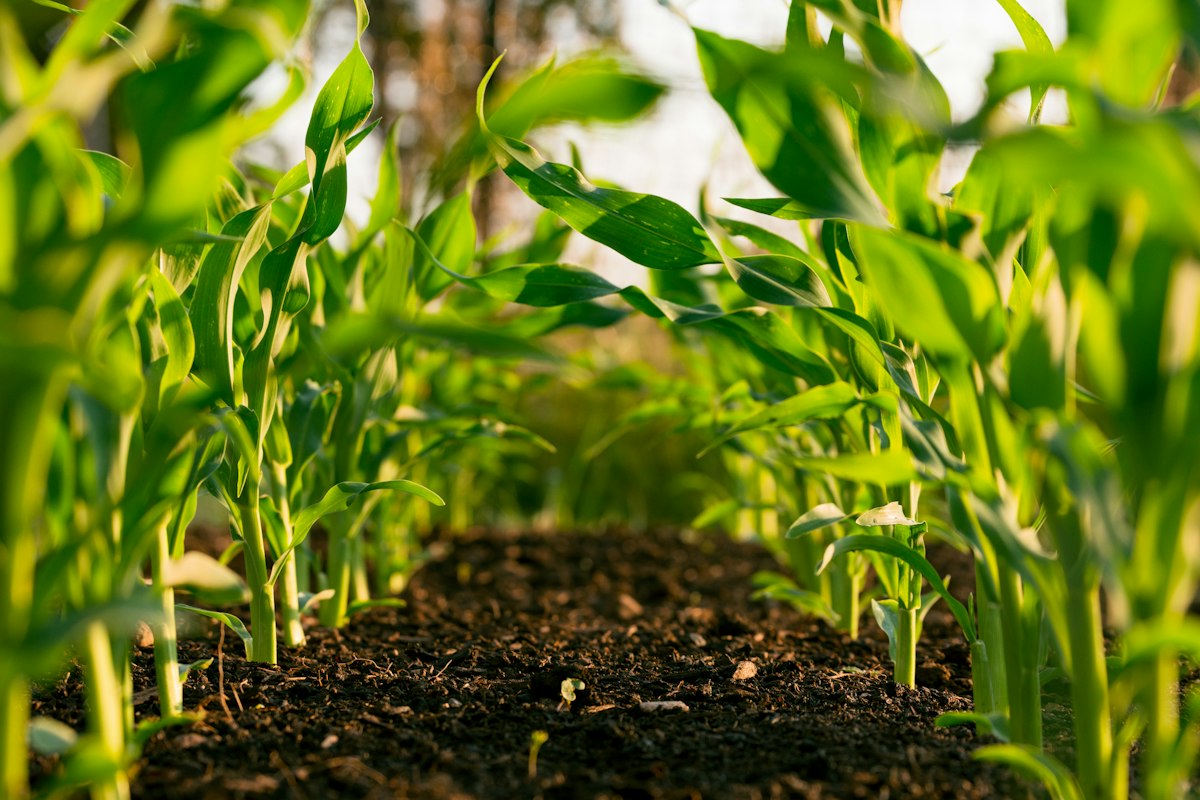
As consumers increasingly prioritize sustainability, rice farmers in Texas are adapting their practices to meet growing demand for eco-friendly products.
The Texas rice industry, primarily concentrated in the southeastern region, has seen a surge in demand for organic rice varieties. According to the Texas Rice Research Foundation, organic rice production in the state has increased by over 25% in the past year, as more consumers seek out sustainably sourced food options.
In the small town of Wharton, local farmer Maria Gonzalez has transitioned her 1,200-acre farm to organic rice production. “It was a leap of faith, but the response has been incredible. We’re not just farming; we’re also taking care of our environment,” Gonzalez stated. She noted that her organic rice fetches a higher price per pound, significantly improving her farm's financial outlook.
This shift towards sustainability aligns with broader trends in the agriculture market. The global organic rice market is projected to grow at a compound annual growth rate of 11.5% through 2028, according to a recent market analysis by Grand View Research. Texas, with its fertile land and experienced farmers, is poised to play a vital role in this burgeoning sector.
To support this transition, the Texas Department of Agriculture has launched several initiatives aimed at assisting farmers in adopting sustainable practices. Earlier in May, the department rolled out a grant program offering up to $10,000 for farmers who implement eco-friendly irrigation systems and cover cropping.
Moreover, public-private partnerships are gaining traction. Companies like RiceTec, headquartered in Alvin, Texas, are investing in research and development for climate-resilient rice strains. According to RiceTec's CEO, Ben Hargrove, “Our goal is to create varieties that not only yield well but also require less water and input, benefiting both farmers and the environment.”
As Texas rice farmers embrace these sustainable practices, they also face challenges. The cost of certification for organic farming can be high, potentially deterring some producers from making the switch. However, Gonzalez remains optimistic about the future: “Every challenge is an opportunity. By going organic, we’re not just meeting market demands; we’re also investing in our future.”
Additionally, the changing climate presents its own set of challenges. Farmers are increasingly grappling with unpredictable weather patterns that can affect planting and harvesting schedules. In response, many are adopting innovative agricultural technologies to mitigate these risks.
The Texas rice industry’s pivot towards sustainability may serve as a model for other agricultural sectors grappling with similar pressures. As demand for environmentally responsible products continues to rise, Texas farmers are demonstrating that it is possible to balance profitability with stewardship of the land.