
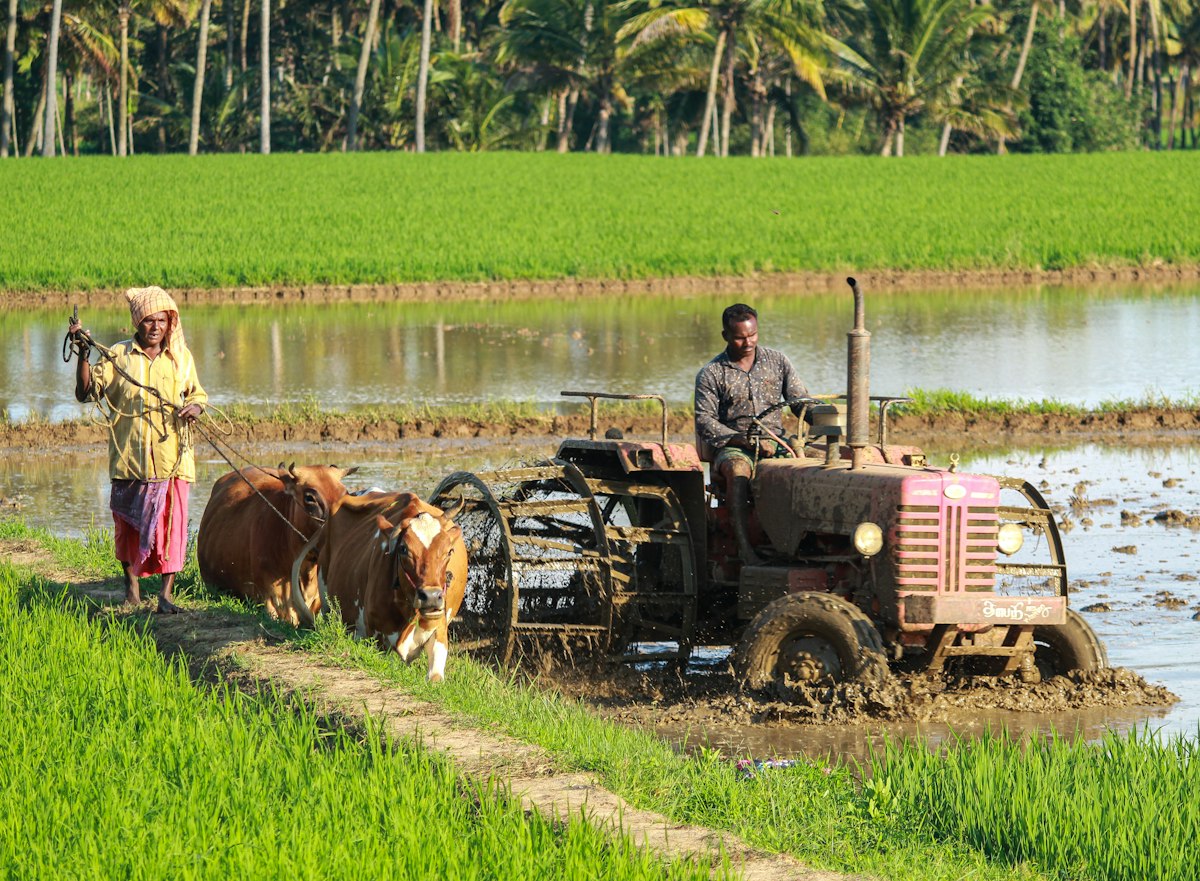
Texas rice farmers are facing unprecedented challenges as inflation drives up production costs, complicating their efforts to maintain profitability.
The Texas rice industry, primarily concentrated in the Gulf Coast region, has seen a dramatic increase in input costs this year, with fertilizer prices rising by over 40% and fuel costs up by 30%, according to the Texas Rice Producers Legislative Group. As a result, many rice farmers are reevaluating their financial strategies going into the 2026 harvest season.
Johnathan Lee, a fourth-generation rice farmer from El Campo, stated, "We've been in this business for a long time, but I’ve never seen costs like this. It puts a lot of pressure on our margins, and it’s hard to plan for the future when prices are so volatile."
The U.S. Department of Agriculture (USDA) has reported that Texas rice production is expected to drop by 15% from last year due to these rising costs and a 10% reduction in planted acreage. This decline poses a significant threat to the state's $600 million rice industry, which is already vulnerable to fluctuations in global markets.
Compounding the issue, flooding earlier this year in key rice-producing areas has further strained resources. Rice farmers have turned to government assistance programs to offset losses, with many applying for the USDA’s Emergency Relief Program, which has allocated $250 million in aid for Texas farmers affected by extreme weather.
In response to these challenges, the Texas Rice Council has initiated a campaign to promote local rice consumption and encourage partnerships with local restaurants and grocery stores. Council President Sarah Thompson emphasized the importance of community support: "We need to rally around our local farmers. By increasing awareness of Texas-grown rice, we can help sustain our industry during these tough times."
A number of farmers are also exploring innovative practices, such as precision agriculture and alternative crop options, to diversify their income streams. Some are even investing in renewable energy projects to offset rising operational costs.
Looking ahead, the prospects for Texas rice farmers remain uncertain. As inflation continues to impact the agricultural sector, maintaining sustainable practices while managing costs will be crucial for their survival. With the Texas rice harvest season set to begin in late August, all eyes are on how these farmers will adapt to the ongoing economic pressures.