
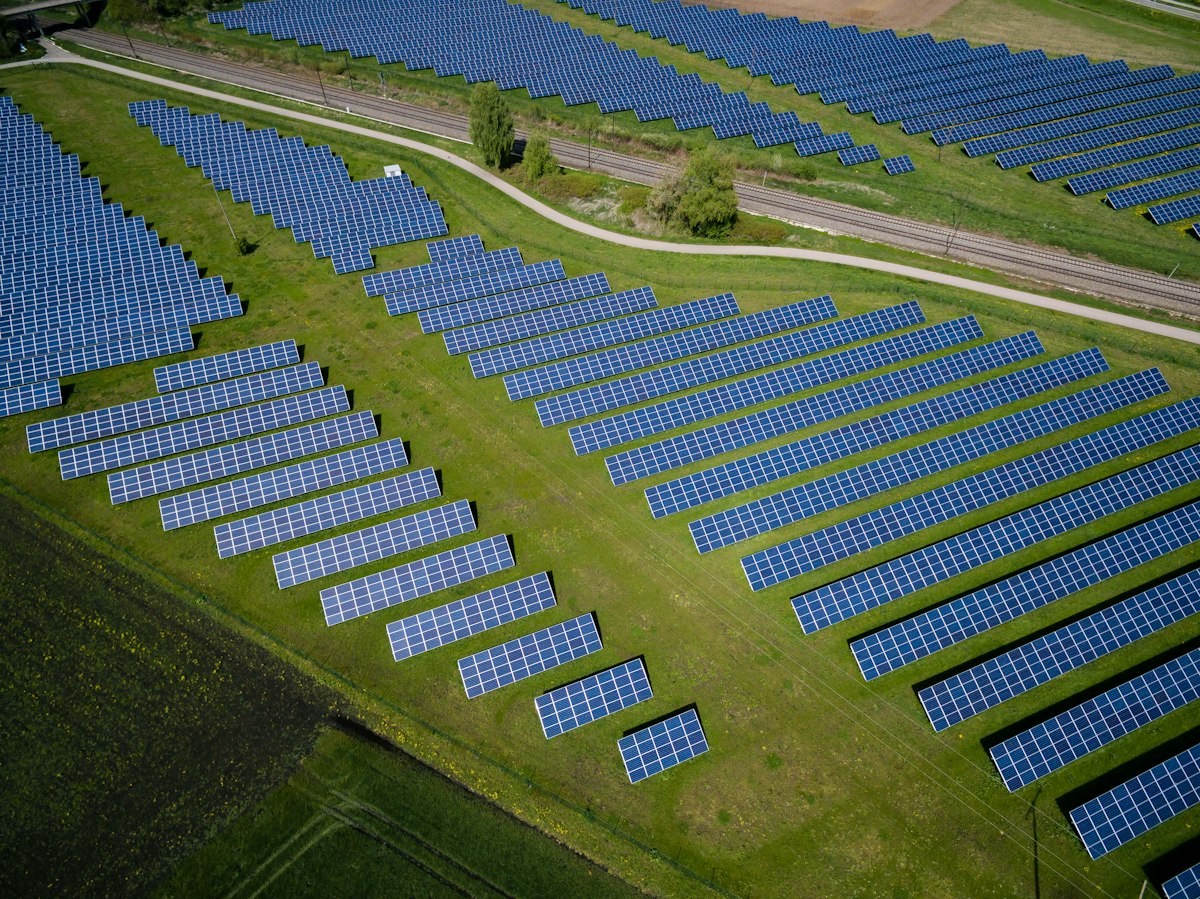
As Texas grapples with an unprecedented heat wave in July 2026, the state’s renewable energy sector is witnessing a significant surge in production, driven largely by solar power.
With temperatures soaring past 110 degrees Fahrenheit in cities like Austin and Dallas, the demand for electricity has reached record highs. According to the Electric Reliability Council of Texas (ERCOT), demand has peaked at 78,000 megawatts, leading to a dramatic increase in the utilization of solar energy, which accounted for 45% of the state’s total energy mix on July 28.
“The recent heat has made it clear that our investment in renewables was not just forward-thinking, it was necessary,” said Bill Magness, CEO of ERCOT. “Our ability to harness solar energy during peak demand is a testament to the resilience of Texas’s energy infrastructure.”
In response to soaring temperatures, several Texas cities have implemented energy conservation measures, including urging residents to reduce their electricity usage during peak hours. The Texas Public Utility Commission reported that residents have cut energy use by 10% in the evenings, helping to alleviate strain on the grid.
Moreover, major energy companies like NextEra Energy and Enel Green Power are expanding their solar farms across the state, with NextEra recently announcing a $500 million investment in a new facility in El Paso that will add an additional 1,000 megawatts of solar capacity by the end of 2027.
The benefits of this rapid expansion are multifaceted. Not only is the renewable sector creating jobs—over 10,000 positions are projected to be added in the next two years—but it is also positioning Texas as a leader in the clean energy transition. The state is on track to meet its goal of 50% renewable energy by 2030, a significant leap from its 39% mark in 2025.
However, experts warn that the rapid growth must be accompanied by improvements in energy storage and grid infrastructure to handle the fluctuations in renewable energy production. “We need to ensure that our grid can adapt to variable generation profiles to maintain reliability,” said Dr. Sarah Wilson, an energy analyst at the University of Texas at Austin.
As the summer heat continues, Texas’s energy landscape is poised for transformation, exemplifying a blend of urgency and opportunity in the fight against climate change.