
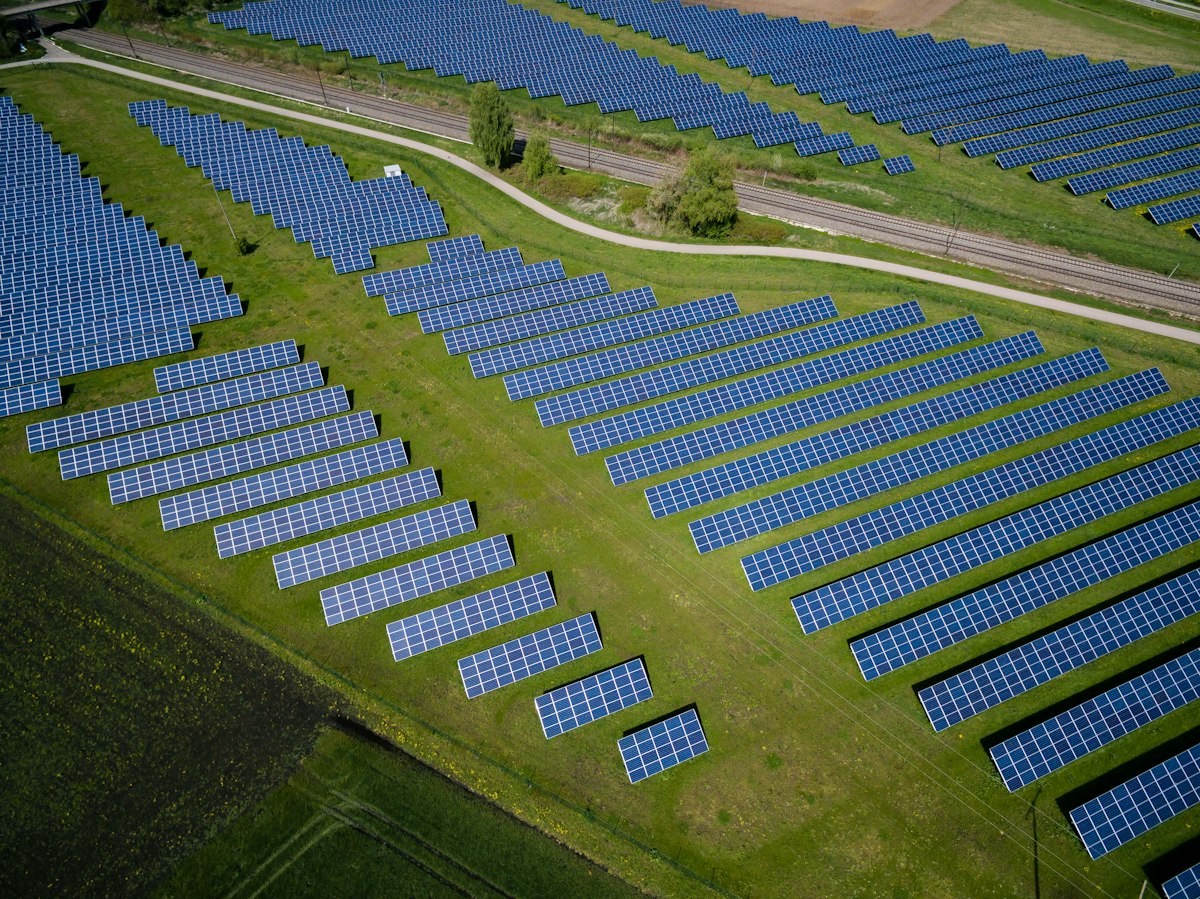
In a significant shift, Texas has emerged as the leading state in the United States for renewable energy production, with a focus on solar and wind power that has grown substantially over the past year.
As of August 2026, the Texas Renewable Energy Association (TREA) reported that renewable energy now accounts for over 40% of the state's energy mix, an increase from 30% just twelve months prior. This rapid growth comes in the wake of new state policies aimed at reducing carbon emissions and incentivizing clean energy investments.
Texas municipalities such as Austin and San Antonio are leading the charge, with each city committing to achieving 100% renewable energy by 2030. Austin Energy CEO, Jim Sinor, stated, "We believe that transitioning to renewable energy is not just an environmental necessity, but also an economic opportunity for our city and its residents."
In addition to municipal efforts, major firms like NextEra Energy Resources and Pattern Energy have announced plans for substantial investments in new solar and wind projects across the state. NextEra, based in Juno Beach, Florida, is set to invest $1.5 billion in Texas over the next five years, which will add approximately 1,500 megawatts of renewable capacity.
The surge in renewable energy investments is also being driven by federal initiatives, such as the new energy tax credits included in the Inflation Reduction Act, which have encouraged companies to pursue cleaner energy options. According to the Energy Information Administration, Texas' wind energy production alone is expected to surpass 70,000 gigawatt-hours in 2026, marking a substantial increase from previous years.
However, this rapid expansion is not without controversy. Critics point to potential grid reliability issues, which have gained prominence since the devastating winter storm of February 2021 that left millions without power. Dr. Mark B. Smith, a professor of energy sciences at the University of Texas at Austin, commented, "While the growth of renewables is promising, Texas must ensure that the grid can handle fluctuations in supply and demand as we transition away from fossil fuels."
The state is also looking to bolster its energy storage capabilities, with companies like Fluence and LG Chem working on projects that aim to provide backup energy during peak demand periods, particularly in the hot summer months. The integration of battery storage is seen as a critical component in ensuring a reliable energy supply.
Looking ahead, Texas is positioned to remain at the forefront of the renewable energy movement in the United States. As investment continues to flow into the sector, the state is not only working toward a sustainable future but also creating thousands of jobs in the process. According to the U.S. Department of Energy, the renewable energy sector in Texas employed over 250,000 individuals in 2025, a number expected to rise significantly in the coming years.
In conclusion, as Texas harnesses its vast resources for renewable energy, the state is set to redefine its energy landscape while addressing environmental concerns and economic opportunities.