
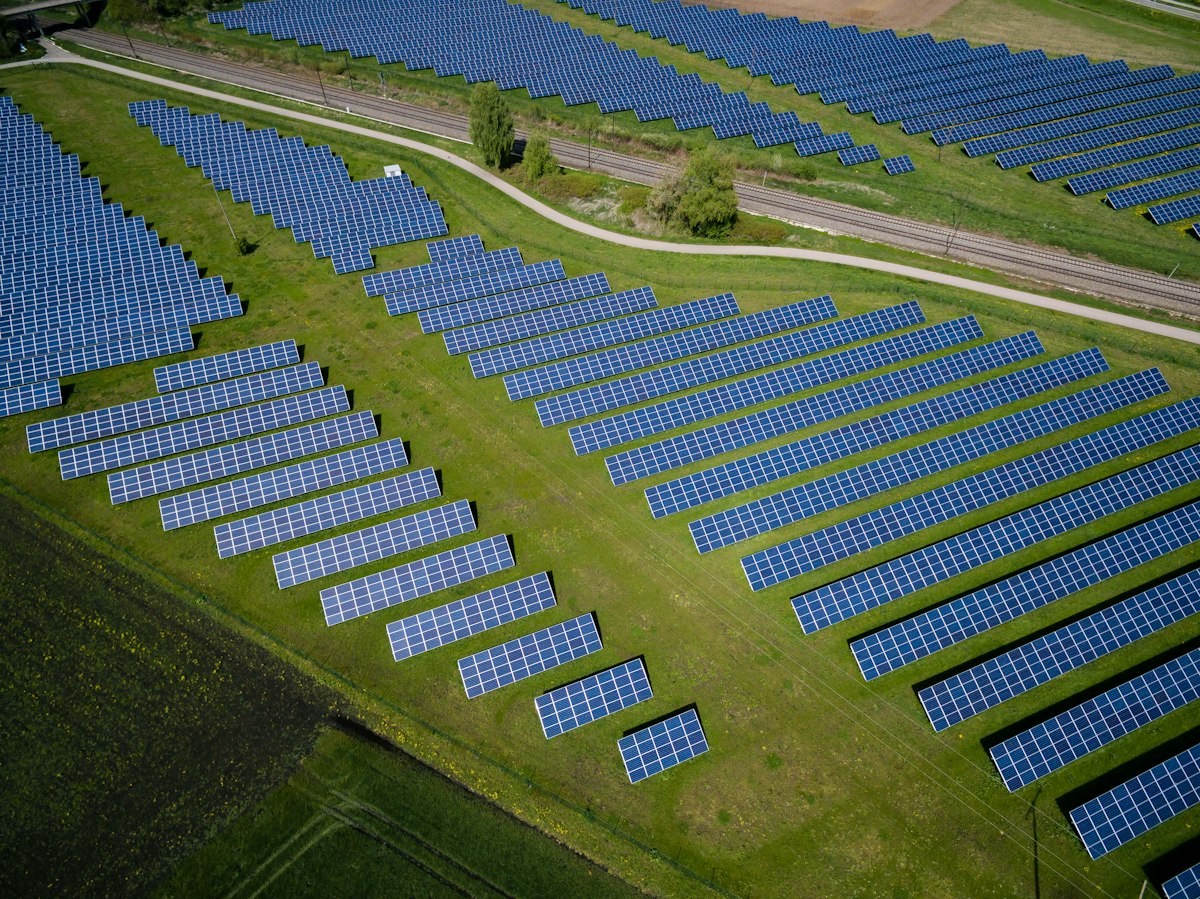
As the demand for clean energy escalates, Texas is solidifying its status as a leader in the renewable energy sector.
According to the Electric Reliability Council of Texas (ERCOT), renewable energy sources contributed approximately 55% of the state's total energy generation in the first half of 2026, up from 47% during the same period last year. Wind and solar power have played pivotal roles in this growth, with wind energy alone accounting for 24% of the state’s overall generation.
In a recent report, ERCOT noted that solar capacity in Texas reached a record high of 20,000 megawatts, making it the leading state in solar power generation. Governor Greg Abbott highlighted the importance of these advancements, stating, "Texas is committed to leading the nation in energy innovation, ensuring a sustainable future for generations to come."
The increase in renewable energy production can be attributed to several factors, including favorable state policies, significant investments from private companies, and a growing consumer preference for clean energy. Companies like NextEra Energy Resources and Vistra Corp. have heavily invested in solar and wind projects over the last few years, contributing to the boom.
Moreover, the implementation of the Texas Renewable Portfolio Standard has incentivized utility companies to expand their renewable energy offerings. This legislation requires that 30% of electricity generated by retail providers come from renewable sources by 2030, prompting a swift transition toward sustainable solutions.
Despite these positive trends, challenges remain. Infrastructure upgrades are necessary to manage the increasing influx of renewable energy, particularly in rural areas where many wind and solar farms are located. Dr. Laura Martinez, a senior analyst at the Texas Energy Institute, emphasized the need for continued investments in grid enhancements, stating, "To fully harness the potential of renewable resources, we must modernize our transmission lines and storage capabilities. Without these upgrades, we risk losing the benefits of our investments in clean energy."
As Texas moves forward, the balance between fossil fuel and renewable energy will remain a crucial topic. The state's wealth of natural resources, including oil and natural gas, continues to play an essential role in its economy. However, the ongoing transition toward renewables may redefine the energy landscape in Texas, placing it at the forefront of the national and global energy conversation.