
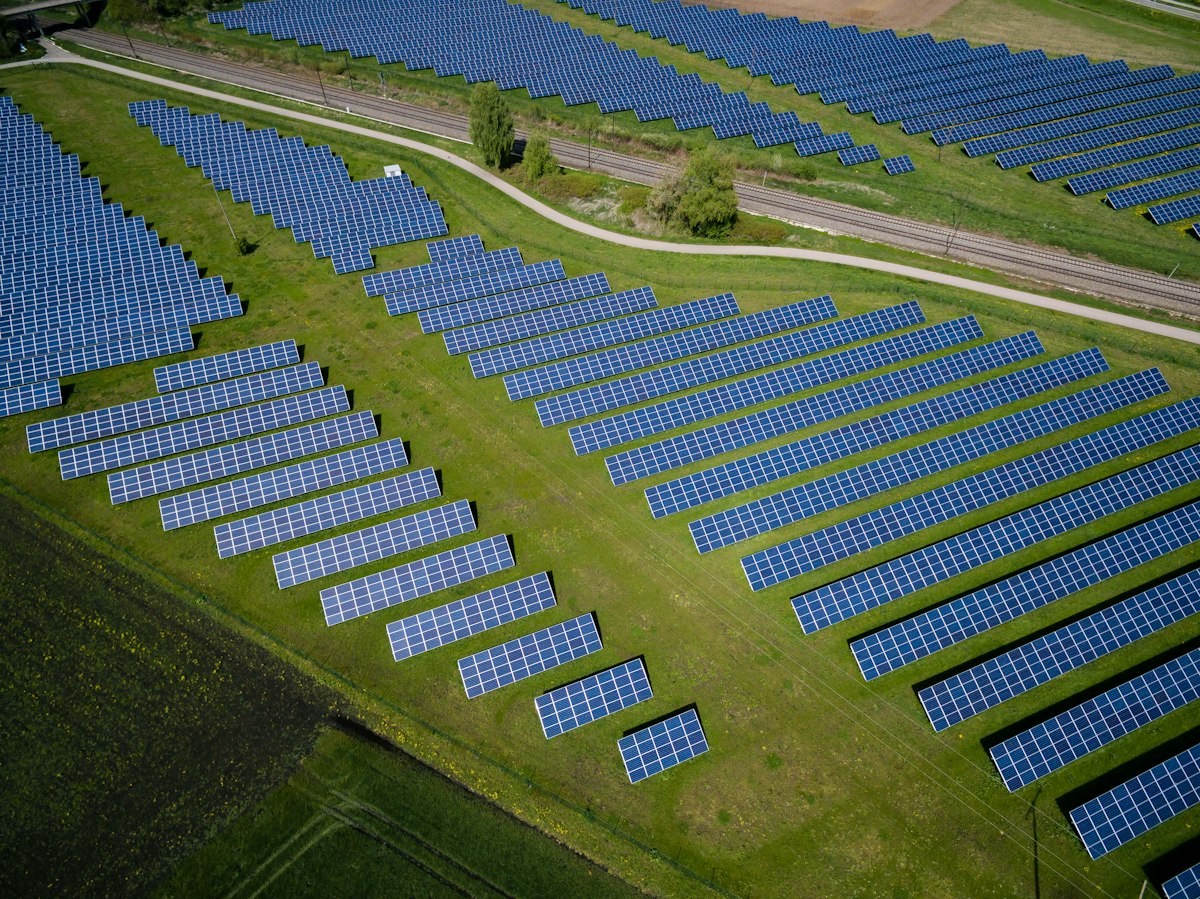
As of August 2026, Texas has solidified its position as the leading state in renewable energy production, with a remarkable 30% increase in capacity over the past year.
The surge is largely attributed to federal incentives aimed at accelerating the transition to cleaner energy sources. According to the Texas Renewable Energy Association (TREIA), the state added over 6,500 megawatts of wind and solar capacity in the first half of 2026 alone, pushing total capacity beyond 37,000 megawatts.
“This growth not only reflects the effectiveness of federal policies but also the commitment of Texans to invest in a sustainable future,” said TREIA Executive Director, John Smith. “We are witnessing a paradigm shift in how Texans view energy consumption.”
Cities like Austin and Houston are at the forefront of this transformation. Austin Energy has pledged to reach net-zero carbon emissions by 2030, investing $1 billion in solar and energy storage projects. Meanwhile, Houston’s local government has set ambitious goals of sourcing 80% of its energy from renewable sources by 2035.
The economic impact of this shift is profound. A recent report by the Texas Comptroller’s office estimates that the renewable energy sector supports over 400,000 jobs statewide, with projections indicating that number could rise to 600,000 by 2030. Furthermore, the state’s robust energy grid, managed by the Electric Reliability Council of Texas (ERCOT), is adapting to accommodate this influx of renewable sources.
However, challenges remain. As more wind and solar projects come online, industry experts warn about the need for enhanced energy storage solutions and grid infrastructure. “To maintain grid reliability, we must invest in technology that can store energy efficiently,” highlighted Dr. Emily Johnson, a professor at Texas A&M University specializing in energy systems.
In response, both public and private sectors are ramping up investments in battery storage technology. Companies like Tesla and Fluence have announced plans to build large-scale battery facilities in Texas, which could significantly alleviate pressure on the grid during peak demand periods.
With continued federal support and a growing commitment from Texan leaders, the outlook for the state’s renewable energy sector appears bright. As Texas moves forward, it positions itself not just as a leader in oil and gas but also as a pioneer in renewable energy innovation.