
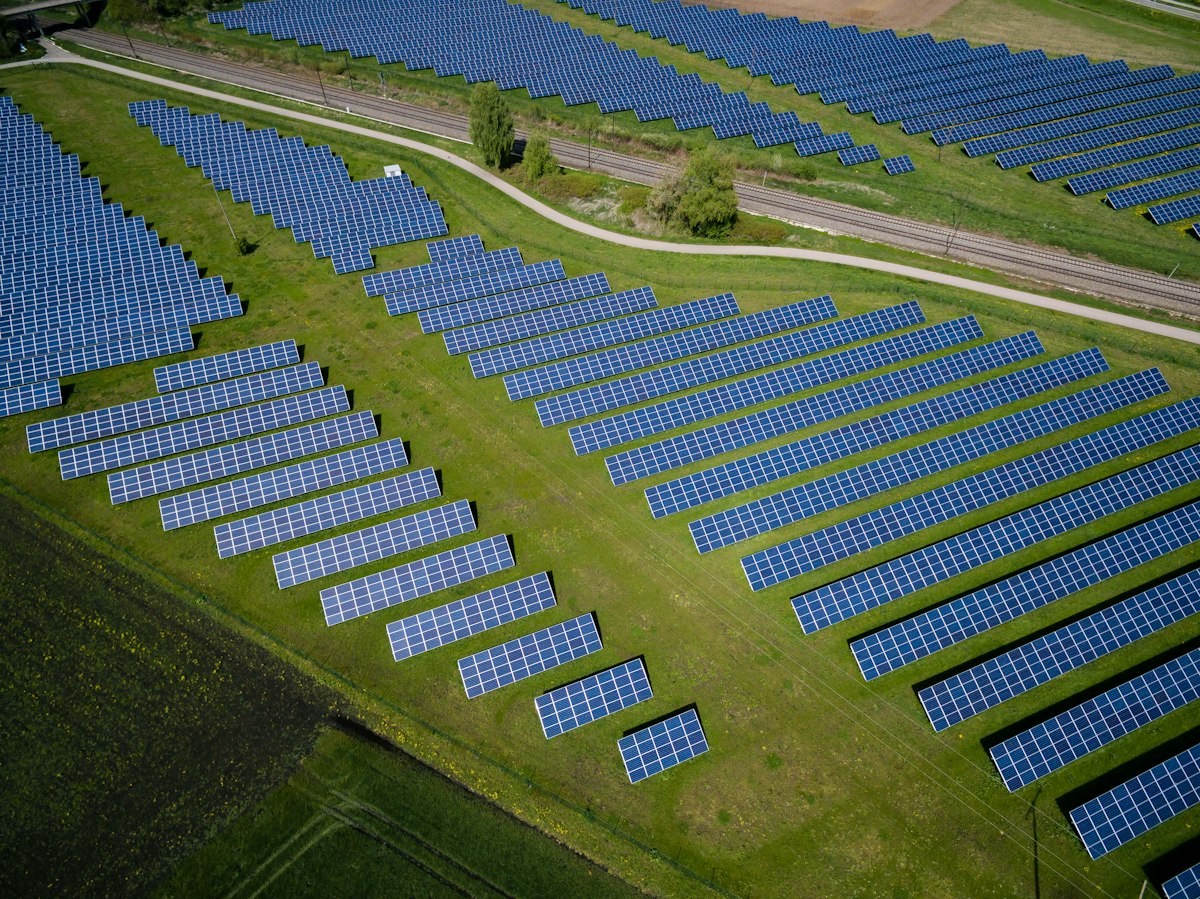
As Texas continues to lead the nation in energy production, the state is witnessing a remarkable surge in solar energy generation, a trend driven by increasing consumer demand and favorable state policies.
In 2026, solar energy accounted for approximately 25% of the state's total energy mix, a significant increase from just over 15% in 2023. This growth has been propelled by an array of new solar farms, particularly in the West Texas region, where abundant sunlight and land availability make it an ideal location for large-scale solar installations.
One of the leading players in this solar expansion is NextEra Energy Resources, which recently announced a $1.5 billion investment to develop a new solar facility in Pecos County. The project is expected to generate up to 800 megawatts of power, enough to supply electricity to around 250,000 homes.
"This investment represents our commitment to sustainable energy production in Texas," said John Ketchum, CEO of NextEra Energy. "We're excited to contribute to the state's renewable energy goals while providing reliable power for Texans."
The state government has set ambitious targets, aiming for 30% of its electricity to come from renewable sources by 2030. This goal is not only a response to climate concerns but also a strategy to diversify the energy portfolio and enhance grid resilience, particularly in light of recent winter storms that have strained the conventional grid.
State policymakers have implemented various incentives to encourage investment in solar and other renewable technologies. Tax credits and grants for solar installations have been pivotal in attracting both local and out-of-state investors. As a result, Texas has seen a boom in solar jobs, with industry estimates suggesting an increase of more than 10,000 jobs in the solar sector alone over the past year.
Despite the rapid growth, challenges remain. Critics argue that the interconnection process for new solar projects is lagging, causing delays in bringing new capacity online. This bottleneck could hinder Texas's ability to achieve its renewable energy targets if not addressed promptly.
Nevertheless, the outlook for solar energy in Texas remains exceptionally positive. With ongoing investments from private companies and supportive policies from the state government, many experts believe that Texas is on track to not only meet but exceed its renewable energy goals in the coming years.