
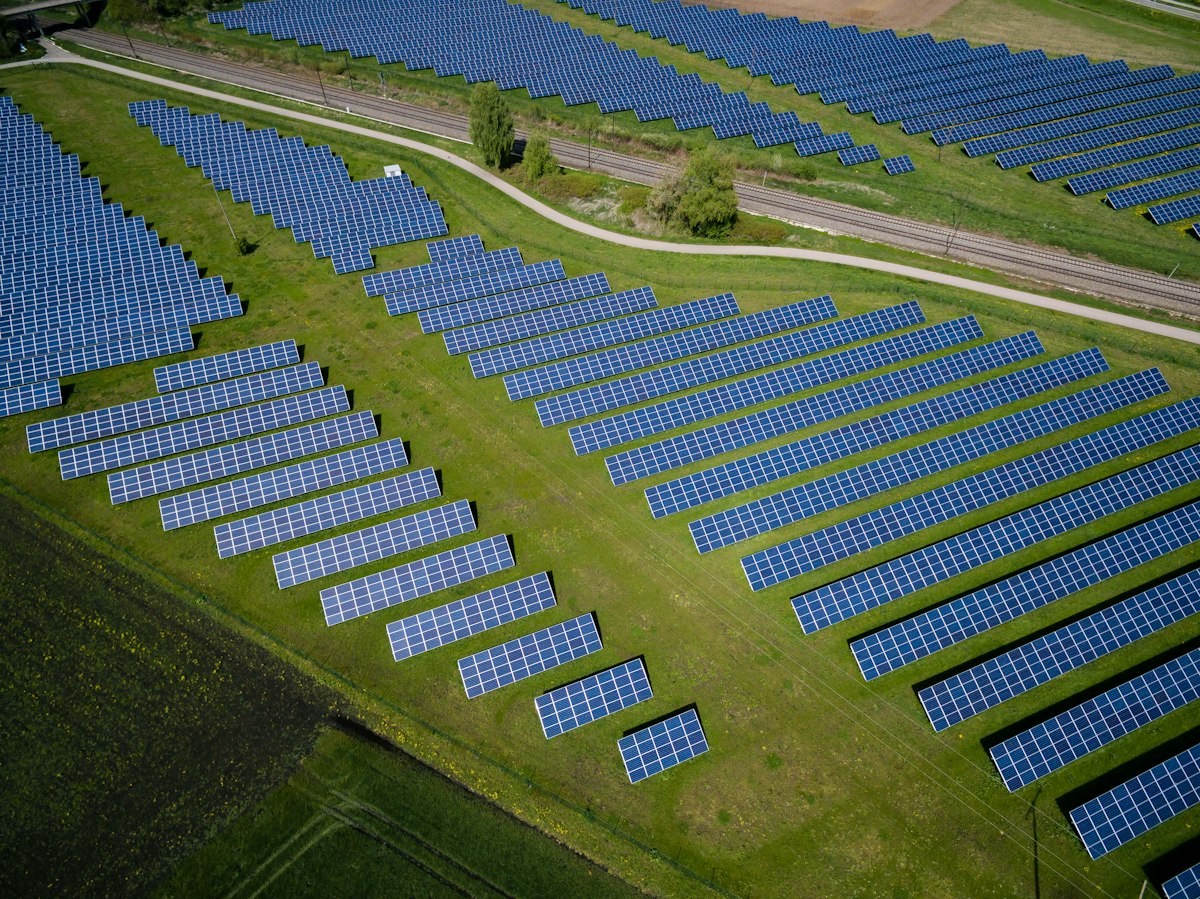
As Texas continues to emerge as a leader in renewable energy, new projects across the state are set to reshape its energy landscape.
In recent months, Texas has seen a surge in investments aimed at harnessing wind and solar power, driven by increasing demand and favorable state policies. According to the Texas Renewable Energy Association, the state added over 5,000 megawatts (MW) of renewable capacity in just the first half of 2026, bringing its total to approximately 42,000 MW.
Among the most notable projects is the $1.2 billion solar farm being developed by Austin-based SunPower Corp near the city of Abilene. This facility is expected to generate enough electricity to power more than 200,000 homes once it comes online by the end of 2027. “Texas is uniquely positioned to capitalize on its solar resources,” said Tom Kauffman, CEO of SunPower Corp. “Our investment here reflects our commitment to sustainable energy solutions.”
In addition to solar, Texas remains the national leader in wind energy production, with the latest figures showing that wind farms generated over 25% of the state’s total electricity in April 2026 alone. The expansion of wind power has been particularly pronounced in regions such as the Panhandle and West Texas, where wind speeds are optimal.
However, the growth in renewable energy has not been without its challenges. The state’s aging electrical grid has raised concerns about reliability, especially during peak demand periods. The Electric Reliability Council of Texas (ERCOT) has emphasized the need for infrastructure upgrades to accommodate the influx of renewable sources.
To address these issues, Texas lawmakers are considering a $5 billion investment plan aimed at strengthening the grid and improving energy storage capabilities. This plan includes provisions for new transmission lines to connect remote wind and solar sites to major urban centers such as Houston and Dallas, which are experiencing unprecedented population growth and energy consumption.
Furthermore, the rapid expansion of electric vehicle (EV) adoption is driving demand for cleaner energy sources. With Texas projected to see a 30% increase in EV registrations by 2028, energy companies are taking proactive measures to ensure sufficient charging infrastructure is in place.
Companies like ChargePoint and EVgo are ramping up their operations in the state, establishing partnerships with local governments to install fast-charging stations across major highways and urban areas. This evolving landscape presents both opportunities and challenges for energy producers as they adapt to new consumer demands.
As Texas continues its ambitious push towards renewable energy, it is clear that the future of the state's energy sector will involve a delicate balance between growth, sustainability, and reliability. With continued investments and innovations, Texas is set to remain at the forefront of the energy revolution.