
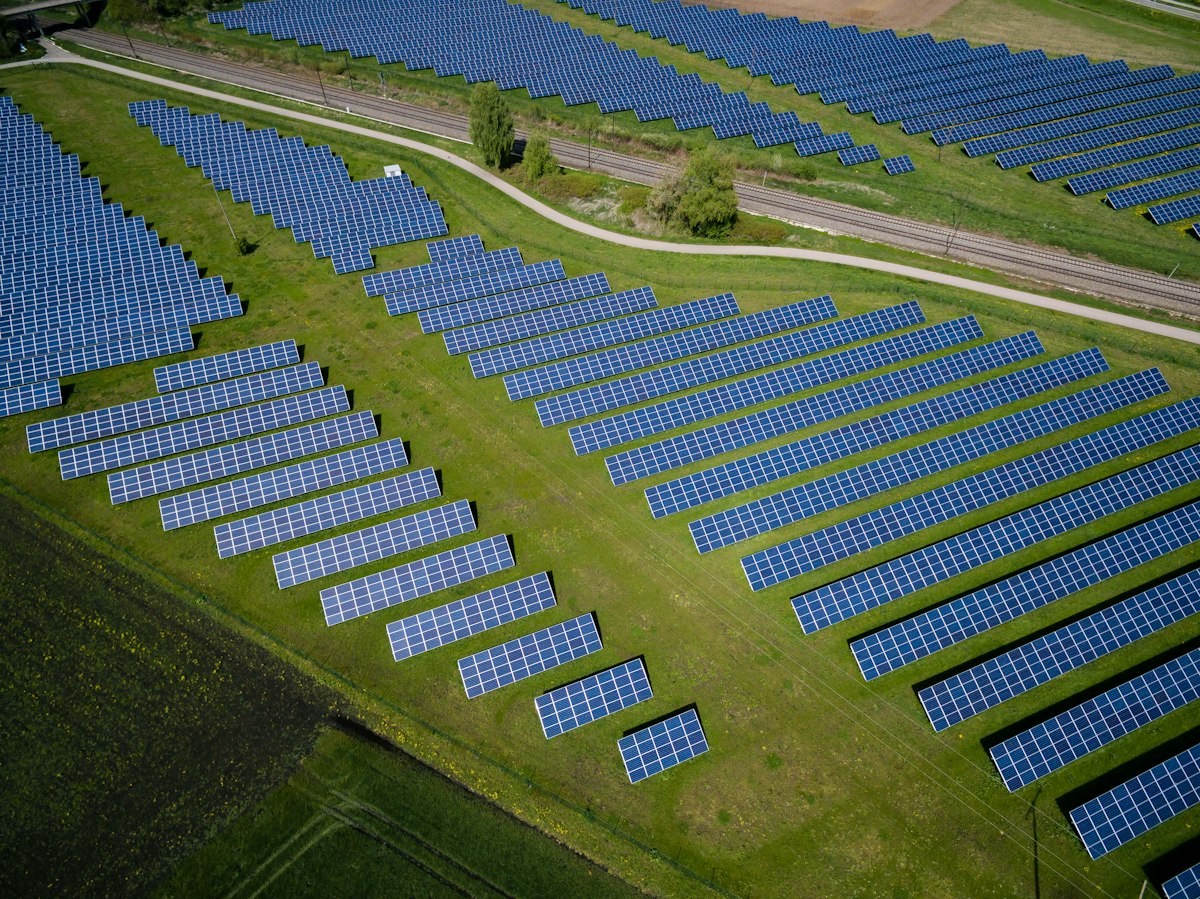
As Texas grapples with an unprecedented surge in energy demand, the state's commitment to renewable energy sources is becoming increasingly evident. In 2026, the Lone Star State generated over 45% of its electricity from renewable sources, a significant increase from just 32% in 2023.
The rapid expansion of wind and solar farms, particularly in the West Texas region, has positioned Texas as a national leader in clean energy production. The state’s vast open spaces and favorable climate conditions make it ideal for harnessing wind and solar power. According to the Electric Reliability Council of Texas (ERCOT), renewable energy generation is projected to reach 60% by 2030 as more projects come online.
Austin-based NextEra Energy Resources, a key player in Texas’s renewable landscape, has announced plans to invest an additional $2 billion in solar projects across the state. “Our commitment to expanding renewable resources in Texas is unwavering,” stated John Ketchum, CEO of NextEra Energy. “As the state's energy needs continue to grow, we must lead the charge in sustainable practices.”
Furthermore, the Texas Legislature has enacted new policies aimed at incentivizing energy storage solutions, which are crucial for managing the intermittency of renewable sources. The Texas Energy Storage Association has reported that energy storage capacity is expected to triple by 2028, facilitating a smoother transition to renewables.
However, this transformation is not without challenges. Critics argue that the state’s electricity grid, designed primarily for fossil fuels, may struggle to adapt to the rapid influx of renewable energy. Bill Magness, ERCOT's former CEO, cautions, “While our renewable capacity is impressive, we must ensure our grid can handle this growth without compromising reliability.”
In 2026, Texas has also seen a marked increase in corporate investments in clean energy. Companies like Amazon and Google have committed to sourcing 100% renewable energy for their Texas operations, further driving demand for green electricity.
As renewable energy continues to thrive, traditional fossil fuel sectors are feeling the pressure. The Texas Oil and Gas Association reports a 10% decline in oil production over the past year, as companies pivot towards greener alternatives. This shift reflects a broader trend within the energy industry, where sustainability is becoming a key competitive factor.
In conclusion, Texas is at a pivotal moment in its energy evolution. With a robust commitment to increasing renewable energy capacity and a growing push for energy storage solutions, the state is poised to set a precedent for the rest of the nation. The question remains: can Texas maintain its status as the energy capital of the U.S. while leading in sustainability?