
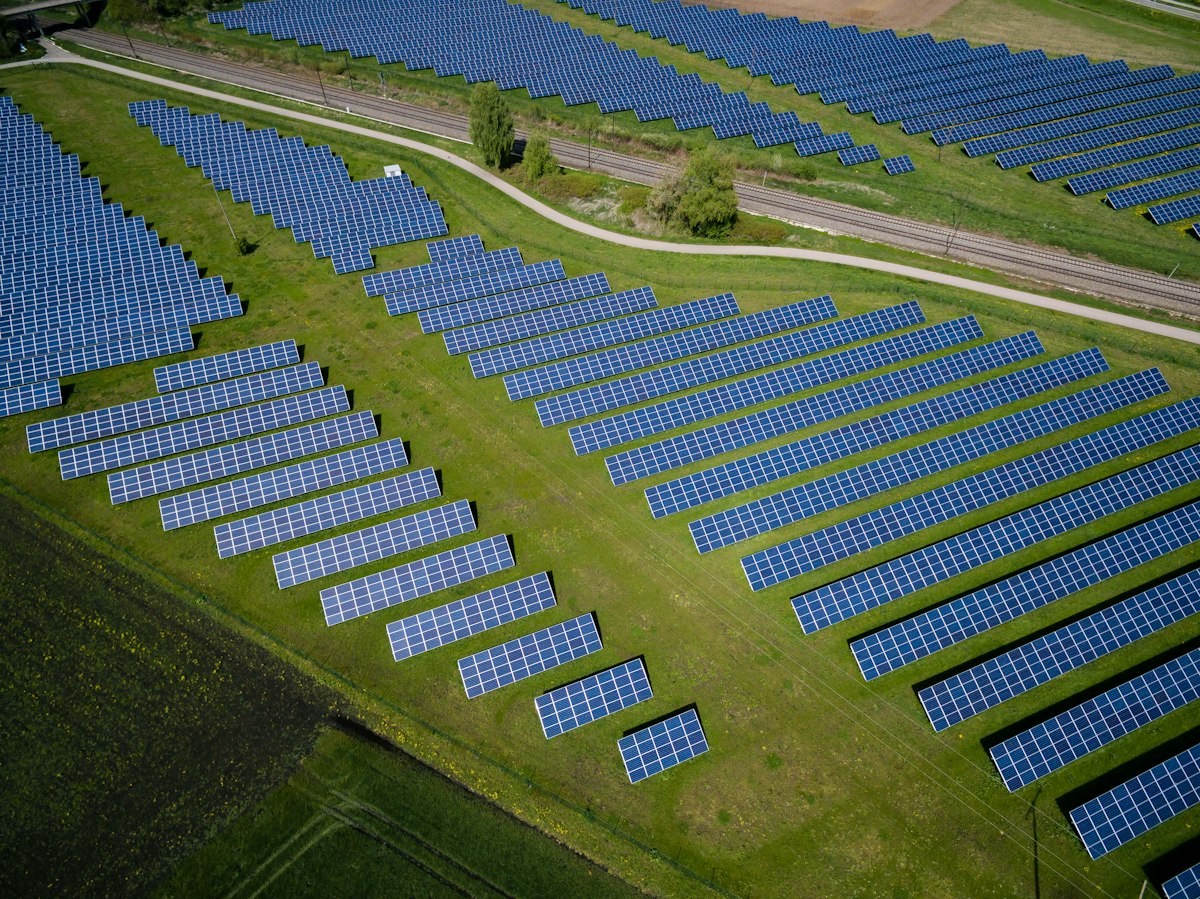
As of July 2026, Texas has officially surpassed a remarkable milestone in renewable energy, becoming the first state in the U.S. to generate over 50% of its electricity from renewable sources.
The Texas grid operator, ERCOT, reported that during the peak hours of July, wind and solar power accounted for approximately 52% of total electrical generation. This achievement comes as part of the state’s ongoing efforts to increase clean energy production and reduce carbon emissions amid growing climate concerns.
Notable investments have been made by companies such as NextEra Energy and Duke Energy, which have poured over $10 billion into wind and solar projects across Texas in the past two years. This influx of capital has led to the construction of vast solar farms in the West Texas plains and the expansion of existing wind farms in the Panhandle region.
“Our investments not only help to diversify the energy mix but also create thousands of jobs for Texans,” stated Laura Mesquita, Vice President of Renewable Development at NextEra Energy. “We’re proud to be part of a state that is leading the charge in renewable energy.”
According to the Texas Renewable Energy Industries Alliance, the state currently boasts over 40,000 megawatts of installed wind capacity and over 20,000 megawatts of solar capacity. With projections suggesting that solar capacity could triple by 2030, the trend appears poised to continue.
Additionally, the state government has implemented several incentives to further encourage clean energy development, including tax breaks for solar installations and grants for energy storage technologies. These incentives have been crucial in helping Texas maintain its leadership position in the renewable sector.
Despite the growth in renewable sources, challenges remain. ERCOT has warned that the state must enhance its grid infrastructure to manage the variability of solar and wind energy, particularly during extreme weather events. In response, state officials have initiated various projects aimed at modernizing the grid and improving reliability.
As Texas continues to blaze a trail in renewable energy, the implications for both the economy and the environment are profound. The state not only aims to reduce greenhouse gas emissions but also seeks to position itself as a hub for clean energy innovation, attracting further investments and talent.
The future of Texas energy looks bright, with a clear commitment from both the public and private sectors to lead in renewable energy production.