
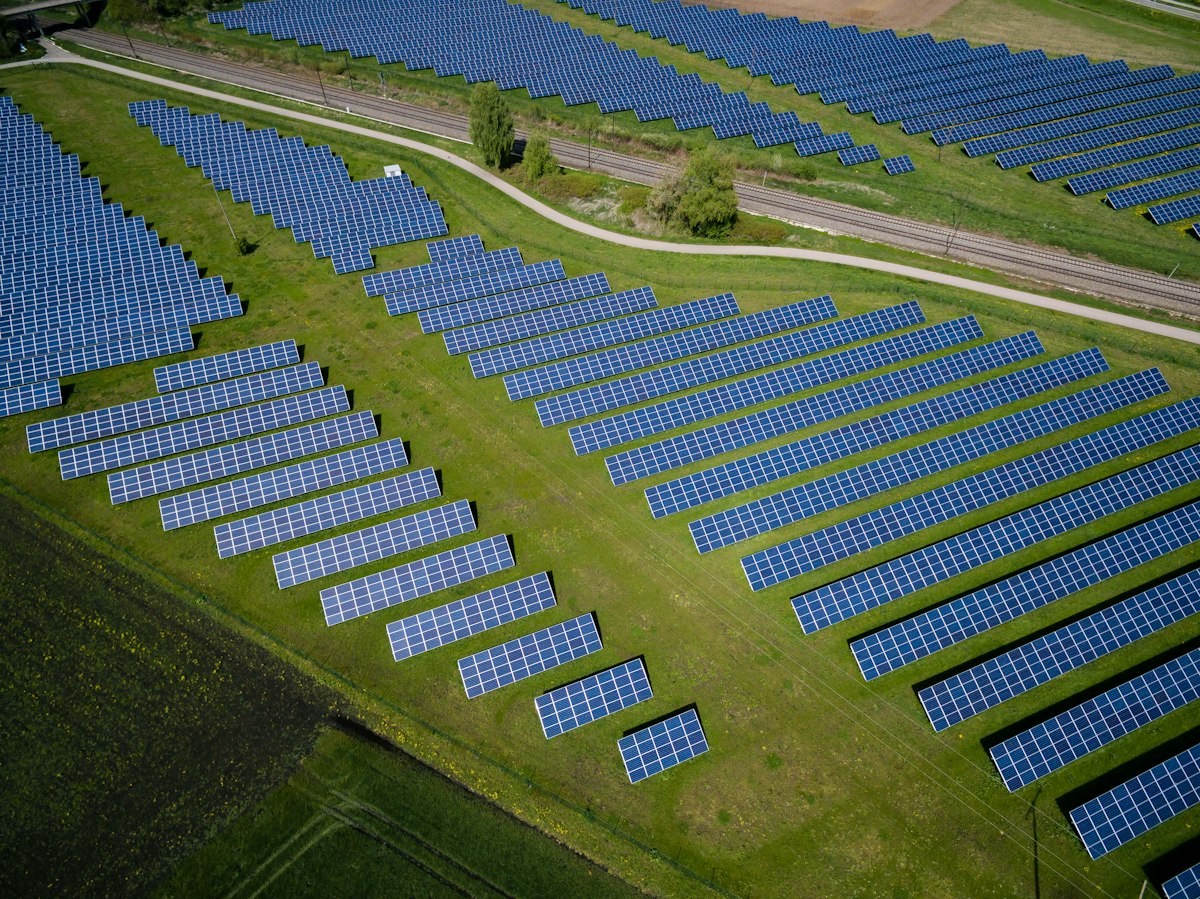
In a significant move towards sustainable energy, Texas has unveiled its new renewable energy initiatives that aim to generate 35% of the state's electricity from renewable sources by 2030.
The Texas Public Utility Commission (PUC) announced the ambitious target during a press conference in Austin on August 1, 2026. This initiative is part of a broader effort to combat climate change while bolstering the state’s energy independence. The plan includes substantial investments in solar and wind energy, which have already seen rapid growth over the past decade.
According to the PUC's chair, John Schneider, “Texas has always been a leader in energy production. Now, we have the opportunity to lead in clean energy. We’re committed to a future where renewable sources contribute significantly to our energy mix.”
As part of this initiative, the state will roll out a series of incentives for both businesses and homeowners to transition to solar power. Financial support will be available for installing solar panels, and tax breaks will be offered to companies that invest in renewable infrastructure. This is expected to create thousands of jobs in the burgeoning green sector.
Additionally, the state will enhance its transmission infrastructure to facilitate the integration of renewable energy sources into the grid. The Texas grid, managed by the Electric Reliability Council of Texas (ERCOT), will require significant upgrades, with an estimated $10 billion earmarked for these improvements over the next five years.
Cities like Houston and Dallas are set to become pivotal players in this transition, with existing companies such as NRG Energy and Vistra Corp leading the charge. These firms are expected to expand their renewable portfolios significantly, aligning with the state’s goal.
The implications of this transition are vast. Not only could Texas become a formidable player in the clean energy market, but it also stands to benefit economically. According to a recent study by the University of Texas at Austin, transitioning to renewable energy could add nearly $100 billion to the state’s economy by 2030.