
As the summer of 2026 progresses, Texas is grappling with soaring energy demands driven by extreme heat, with peak electricity usage reaching an all-time high of 80,000 megawatts earlier this week.
The Electric Reliability Council of Texas (ERCOT) reported that temperatures across major cities, including Dallas and Houston, soared above 105 degrees Fahrenheit, prompting a surge in air conditioning usage. This spike in energy consumption has prompted the organization to issue multiple conservation alerts as it attempts to manage the unrelenting demand.
"We're seeing a situation unlike any we've faced before," said ERCOT CEO Peter Lake. "The combination of rising temperatures and our growing population means we need to be prepared for these kinds of demands every summer." The Council has urged residents to conserve energy during peak hours to avoid rolling blackouts, a scenario that many residents experienced last summer.
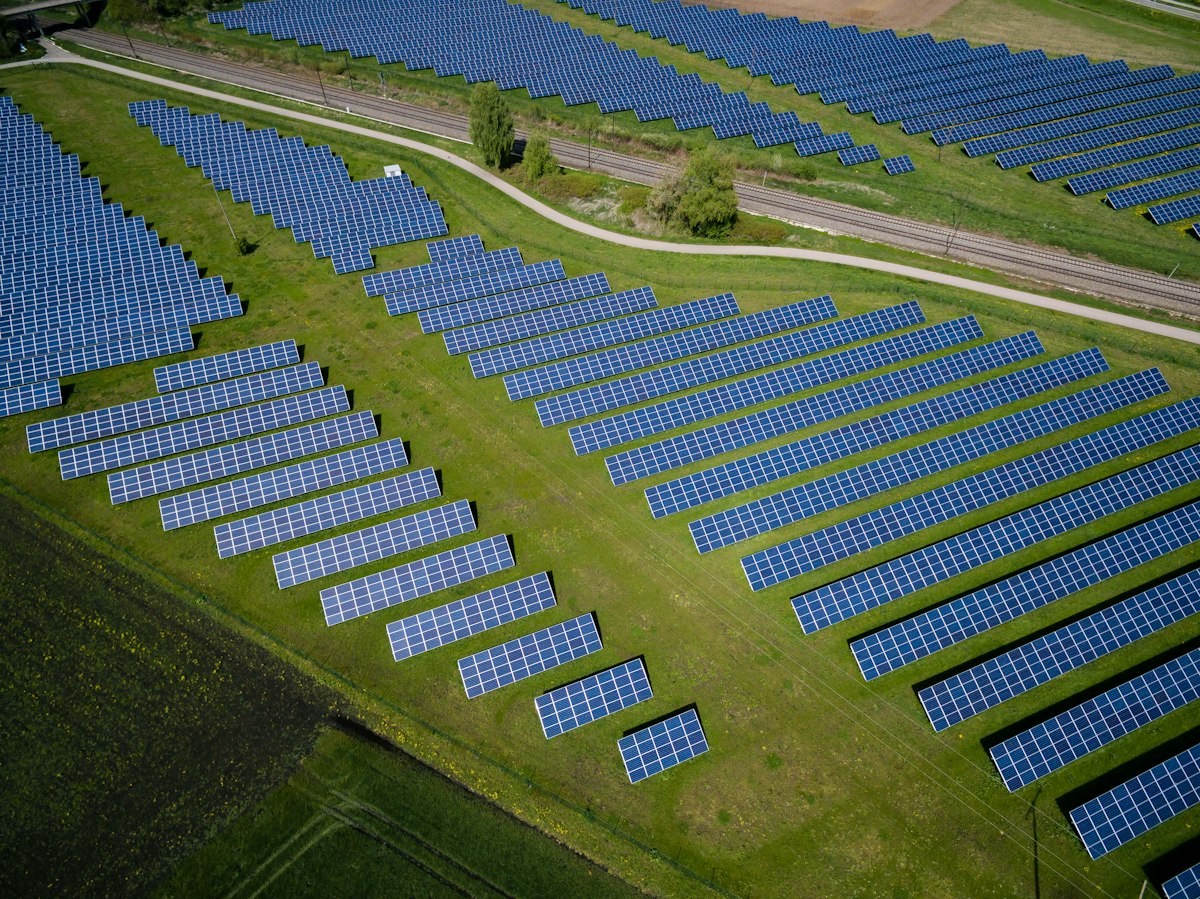
The state, which has historically prided itself on its robust energy infrastructure, is facing challenges in keeping up with the rapid population growth. Texas' population has surged by over 1.5 million since 2020, straining the energy grid that already operates at near capacity. With renewable energy sources comprising approximately 30% of the grid, the reliance on traditional power sources has become more pronounced.
In response, utility companies such as Oncor are investing heavily in new infrastructure. They announced plans to invest $1.5 billion over the next five years to upgrade transmission lines and develop new substations to increase capacity. "Our goal is to ensure we have reliable energy for all Texans, especially during these peak demand periods," said Oncor spokesperson Julia Reyes.
Additionally, the increase in extreme weather events has highlighted the need for greater resilience in the energy sector. The state legislature is currently considering a series of proposals aimed at enhancing grid reliability and supporting the integration of more renewable energy sources.
With these legislative efforts, along with private sector investments, Texas officials hope to modernize the energy grid and mitigate future risks. Nevertheless, for many residents, the immediate concern remains the relentless heatwave and the stability of their power supply.