
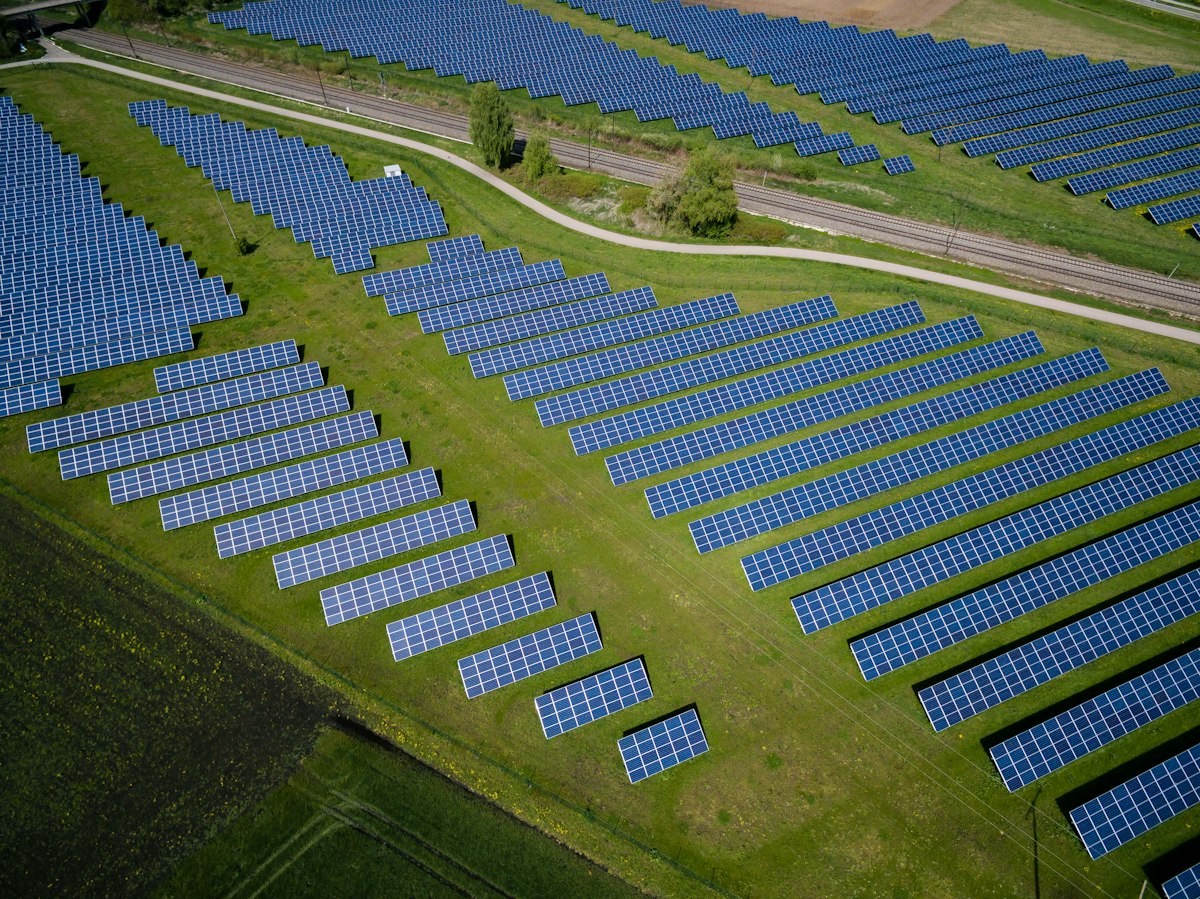
As Texas braces for another scorching summer, the state’s power grid is preparing for record highs in energy demand, exacerbated by a rapid increase in renewable energy sources.
The Electric Reliability Council of Texas (ERCOT) has issued forecasts indicating that demand could exceed 85,000 megawatts during peak hours this summer, driven largely by rising temperatures and an expanding population. This figure marks a significant increase from the previous record of 83,000 megawatts set in August 2022.
Renewable energy sources, primarily wind and solar, accounted for over 30% of Texas's power generation in 2025, a notable shift from the state's traditional reliance on fossil fuels. However, this surge in green energy has raised concerns regarding grid reliability, particularly during periods of low wind and high demand.
“We are committed to ensuring that our grid remains stable,” said ERCOT's Chief Operating Officer, J. David W. Kline. “But the increasing unpredictability of renewable sources can create significant challenges, particularly in the peak summer months.”
To address these challenges, ERCOT is implementing new strategies, including increasing the availability of natural gas reserves and boosting storage capabilities to manage supply and demand effectively. The organization is also working closely with operators of renewable energy facilities to optimize production schedules and enhance grid integration.
In a bid to bolster its response capabilities, Texas has invested over $1.5 billion in enhancing grid infrastructure over the past two years, with projects aimed at integrating more renewable sources and improving transmission lines. The expansion of the grid is particularly focused on areas such as Austin and Houston, where population growth has been staggering.
Despite these efforts, critics argue that Texas's deregulated energy market may hinder adequate responses to high demand spikes. A report from the Texas Public Utility Commission suggests that a reevaluation of market mechanisms may be necessary to better incentivize energy storage and demand response initiatives.
As the state gears up for the summer months, the interplay between demand, renewable energy growth, and market dynamics will be pivotal in determining the stability of Texas's power grid.