
As Texas endures an unprecedented heat wave this August, the state's power grid is under intense pressure, raising concerns about energy reliability and infrastructure resilience.
The Electric Reliability Council of Texas (ERCOT) reported record-breaking demands for power, peaking at over 80,000 megawatts on August 5, 2026. This marks a 15% increase compared to the same period last year, indicating the growing strain on the state's energy infrastructure.
Gov. Greg Abbott emphasized the importance of energy conservation during this critical period. “Every Texan has a role to play in ensuring we have the power we need during these extreme conditions,” he stated at a press conference in Austin. The governor's office has urged residents to conserve energy during peak hours to alleviate the strain on the grid.
The rising temperatures are attributed to a prolonged drought affecting much of the state, due in part to climate change, which experts warn could become the new normal. The Texas A&M University Climate Center noted that temperatures have consistently exceeded 100 degrees Fahrenheit since late July.
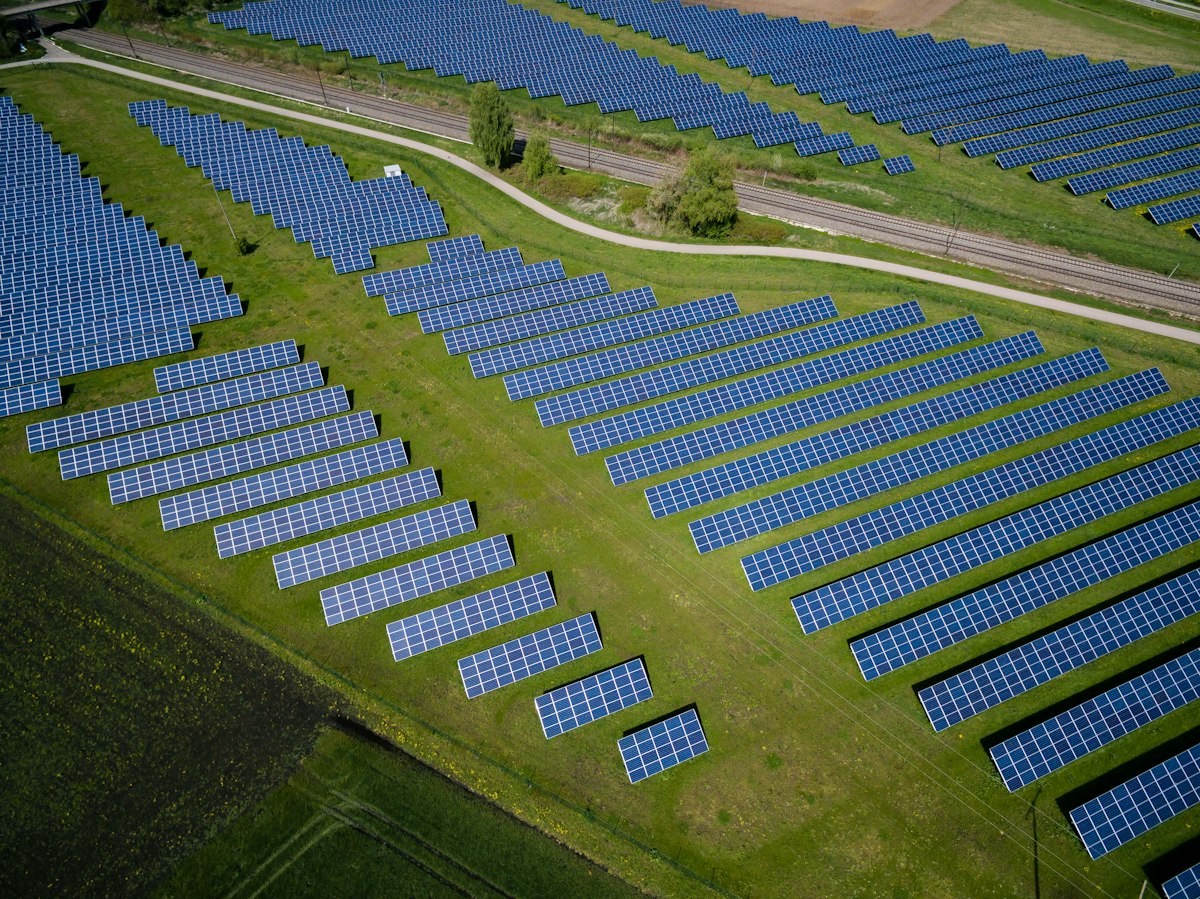
In response to the escalating demand, state officials are looking to ramp up energy production from solar and wind sources. Texas leads the nation in installed wind capacity, and renewable energy now accounts for nearly a quarter of the state’s total energy generation. Despite this, the rapid growth of renewables has not kept pace with demand, leading to calls for more robust integration of these sources into the grid.
Local utility companies, like Austin Energy and Oncor, are collaborating with ERCOT to enhance grid stability. Additionally, major energy producers such as NextEra Energy Resources have announced plans to accelerate their investments in battery storage technologies, which are crucial for managing the intermittency of renewable energy sources.
Critics, however, argue that the state’s energy policy is to blame for the current situation. “We need to prioritize not just expansion but also the reliability of our energy sources,” said Dr. Elena Martinez, an energy policy expert at the University of Texas at Austin. “Otherwise, we risk facing even more severe conditions in the future.”
As the situation unfolds, Texans are urged to stay informed and prepared for potential outages. ERCOT has implemented a system of alerts for high-demand periods, but with climate patterns shifting, the future stability of the Texas power grid remains uncertain.