
As sweltering summer temperatures soar across Texas, the state's power grid is again under intense scrutiny. On July 18, 2026, the Electric Reliability Council of Texas (ERCOT) reported record energy demand reaching 80,000 megawatts, a figure that threatens to test the limits of the state's aging energy infrastructure.
This surge in demand, attributed to a prolonged heatwave, has raised concerns about the reliability of Texas's energy supply. ERCOT has issued several warnings, urging consumers to conserve energy during peak hours. “We are experiencing unprecedented demand, and it is crucial for Texans to help ensure we maintain grid stability,” said Brad Jones, ERCOT’s interim CEO.
The current situation is exacerbated by a 15% drop in available generation capacity compared to last summer, primarily due to maintenance outages and the retirement of older fossil fuel plants. Reports indicate that next week, the expected temperatures could exceed 105°F in major cities like Dallas and Houston, further increasing the likelihood of rolling blackouts if demand continues to outpace supply.
In response to the crisis, Governor Greg Abbott has stated that immediate action is necessary to bolster the grid's resilience. “We must invest in both traditional and renewable sources of energy. Our energy future depends on innovation and diversification,” Abbott commented during a press conference in Austin.
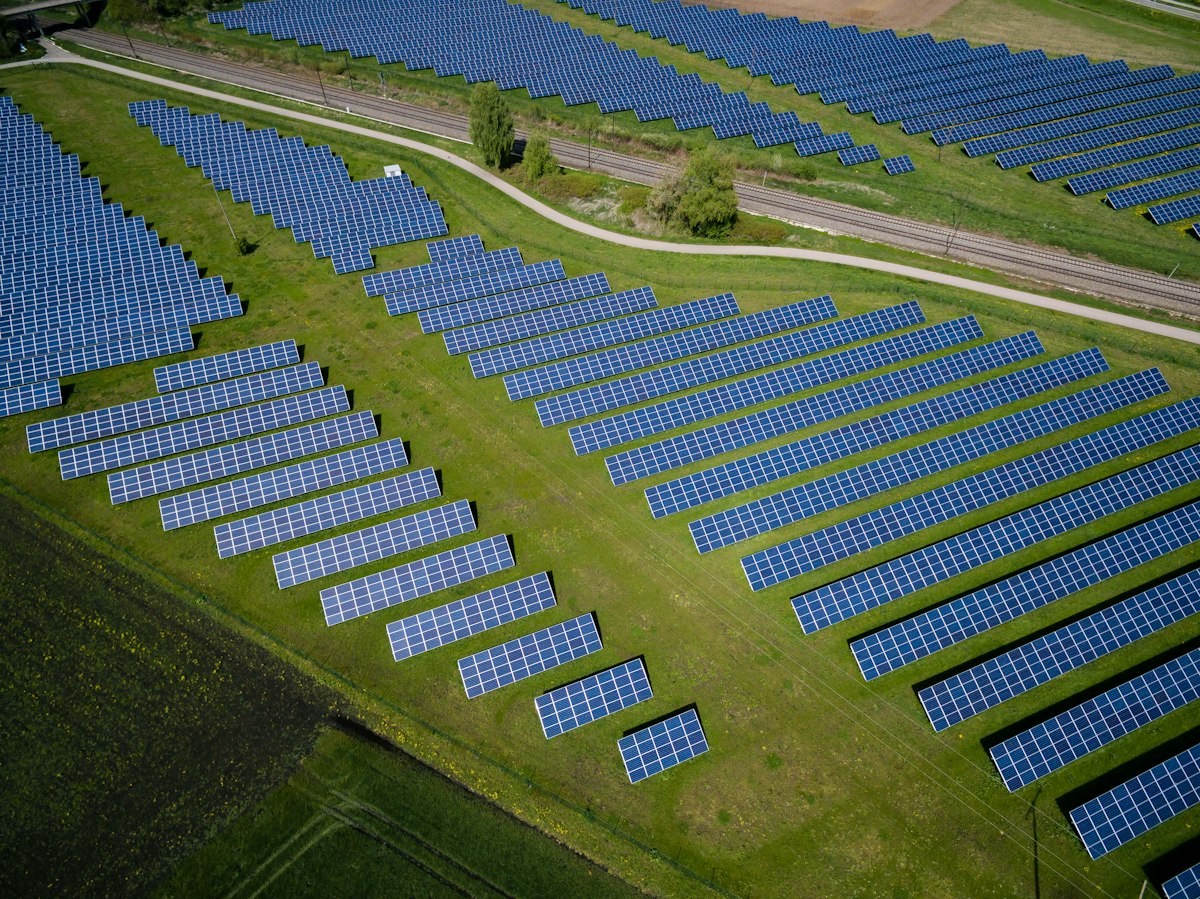
Meanwhile, renewable energy sources, particularly wind and solar, have contributed significantly to the state's energy mix, accounting for nearly 25% of total generation. However, the sporadic nature of these resources remains a concern. ERCOT officials emphasize that while wind production is typically lower during hot summer months, solar generation could offset some of the demands if the skies remain clear.
As the state navigates through this challenging period, many experts advocate for strategic investments in energy storage technologies. According to a recent study by the Texas A&M University Energy Institute, a 10% increase in energy storage capacity could mitigate the impact of future demand spikes by up to 30%, providing a buffer against extreme weather events.
The urgency of the situation has prompted discussions among Texas lawmakers about revising the state’s energy policies. Proposals to increase incentives for renewable energy projects and enhance grid infrastructure are being considered as potential long-term solutions. Senator Charles Schwertner expressed his support, stating, “It’s time for Texas to lead the nation in energy innovation and security. We cannot afford to be reactive; we must be proactive in our approach.”
As summer sweeps on, Texans are left hoping for cooler days ahead, while policymakers scramble to secure a future where the state’s energy supply is as robust as its demand.