
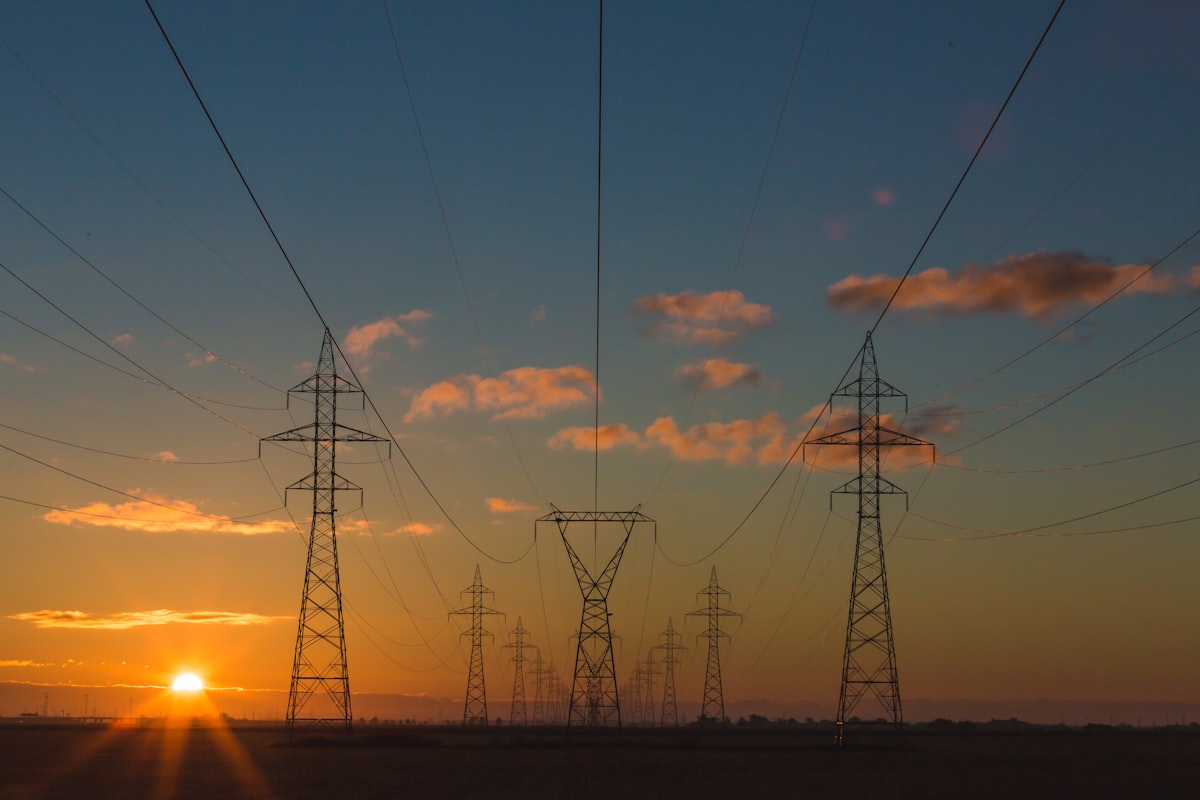
As Texas continues to embrace renewable energy, the state’s power grid is facing unprecedented challenges that could impact its reliability and efficiency. With renewable sources contributing over 30% of the state’s energy mix, grid operators are grappling with the complexities of integrating these intermittent resources.
The Electric Reliability Council of Texas (ERCOT) reported that wind and solar generation peaked at 25,000 megawatts during the recent summer heatwave, providing a significant portion of the state’s electricity needs. However, this surge in renewable energy has exposed vulnerabilities in the grid, particularly during demand spikes.
“The integration of so much renewable energy is a double-edged sword,” said Tommy Wright, ERCOT’s Chief Operating Officer. “While it is vital for reducing emissions, it requires a robust infrastructure to ensure reliability during peak usage.”
The state is currently investing $1.5 billion to upgrade its transmission infrastructure and enhance grid resilience. This includes expanding energy storage capabilities, which experts believe is essential for balancing supply and demand during volatile weather conditions.
In addition to infrastructure upgrades, ERCOT is also focusing on real-time data analytics to better predict demand fluctuations. By leveraging machine learning algorithms, the grid operator aims to optimize energy distribution and minimize the risk of outages.
Despite these efforts, the road to a more reliable grid is complex. The summer of 2026 has already seen a 10% increase in demand compared to last year, largely driven by high temperatures and increased usage of air conditioning throughout the state. As demand continues to rise, the pressure on the grid will only intensify.
Meanwhile, traditional power providers are also adjusting their strategies. Vistra Corp, a major player in the Texas energy market, is diversifying its portfolio by investing in battery storage projects totaling $300 million. These projects are designed to provide backup power when renewable sources falter.
“We are committed to ensuring that our customers have reliable power, even in the face of rising renewable energy,” said Jim Burke, Vistra’s CEO. “Our investments in battery storage will play a crucial role in maintaining grid stability.”
While the challenges are significant, the transition to a cleaner energy landscape is also creating opportunities for innovation. Startups specializing in smart grid technology are emerging throughout Texas, seeking to provide solutions that enhance energy efficiency and reliability.
As Texas navigates this complex energy transition, the dialogue surrounding grid reliability will remain a critical focus for policymakers, industry leaders, and consumers alike. The state’s ability to balance its energy needs with sustainability goals will be essential for its future as a national energy leader.