
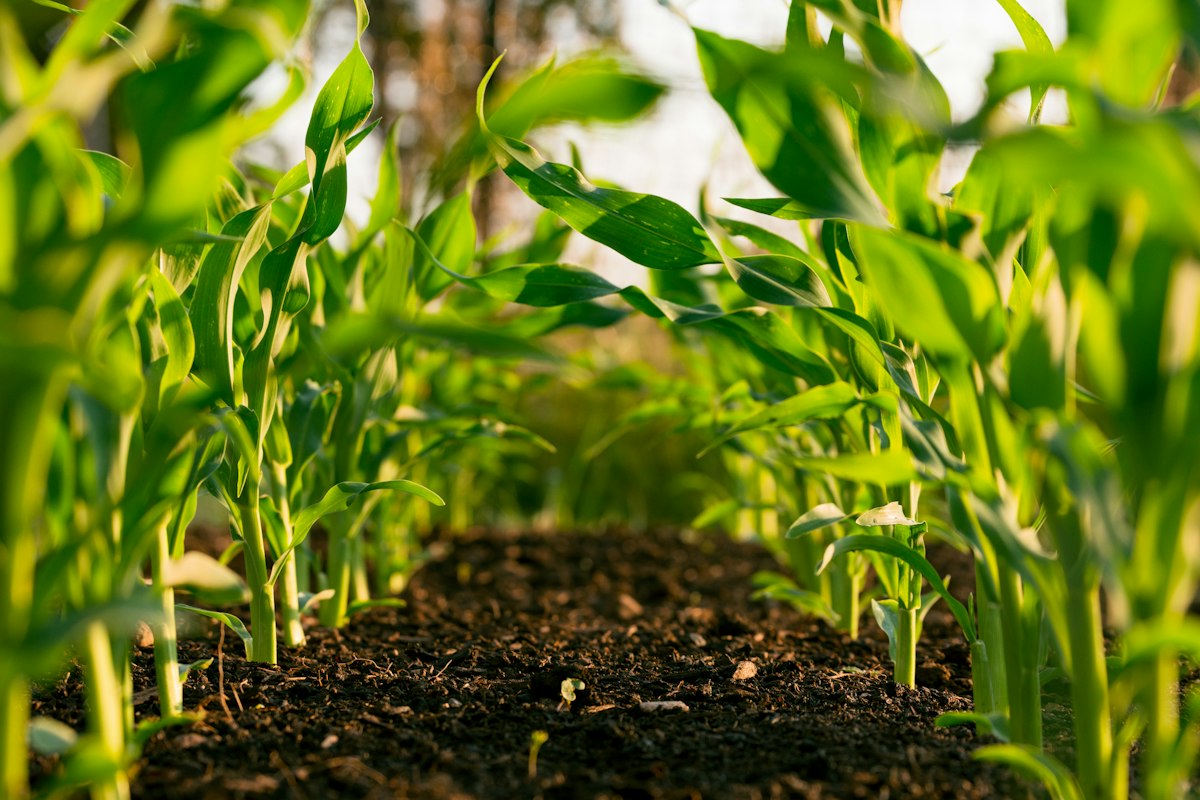
The organic farming sector in Texas is experiencing a remarkable surge, driven by an increasingly health-conscious consumer base that demands transparency and sustainability in food production.
As of mid-2026, the Texas Department of Agriculture reports that organic farming has grown by 65% in the past two years, with over 400 new organic farms registered across the state. Regions such as Central Texas, particularly in cities like Austin and San Antonio, are leading the charge, with many farmers transitioning from conventional practices to organic methodologies.
Local businesses are capitalizing on this trend. Whole Foods Market, headquartered in Austin, has announced plans to source 50% of its produce from local organic farms by 2027. "We believe in supporting our local farmers, and the shift towards organic aligns with our commitment to sustainability and health," stated Karen Lee, the company’s sustainability director.
Farmers like Maria Gonzalez, who operates a 200-acre vegetable farm near Fredericksburg, have noted the shift in consumer preferences firsthand. "Three years ago, I could hardly sell organic tomatoes. Now, they fly off the shelves," she remarked. Gonzalez has expanded her operations to include a wider variety of organic produce, including heirloom varieties that appeal to boutique grocery stores and restaurants.
Despite the booming interest, farmers transitioning to organic face challenges, including stringent certification processes and initial costs. The Texas Organic Farmers Association (TOFA) provides resources and training to help new entrants navigate these hurdles. TOFA estimates that the organic sector can contribute an additional $1 billion to Texas's agricultural economy by 2030 if current trends continue.
Experts predict that the ongoing trend will extend beyond just farms to impact the entire agricultural supply chain, including packaging, transportation, and retail. The emphasis on sustainability is prompting companies across the value chain to adopt greener practices.
However, with opportunity comes competition. Traditional farmers are feeling the pressure to rethink their strategies or risk being left behind. Many are seeking to diversify their offerings to include organic options, striving to meet consumer demands while remaining profitable.
As the organic farming market continues to grow, Texas's position as a leader in sustainable agriculture is becoming increasingly solidified. Consumers and producers alike are eager to be part of this transformative journey in the Lone Star State.