
As global oil prices hover around $85 per barrel, the Texas oil industry is bracing for supply chain disruptions stemming from geopolitical tensions and fluctuating demand.
Recent analysis from the Texas Oil and Gas Association (TXOGA) reveals that extraction costs have risen by approximately 15% over the past year, significantly impacting the bottom line for many producers. Supply chain constraints, exacerbated by ongoing labor shortages and logistics challenges, are causing delays in drilling and production, particularly in the Permian Basin.
“The current market volatility is a wake-up call for Texas producers,” remarked TXOGA President, Todd Staples. “We need to adapt to these new realities and invest in more resilient supply chains.”
In West Texas, leading operators are employing advanced technologies to optimize their drilling operations amidst these challenges. Companies like ConocoPhillips and Pioneer Natural Resources are piloting automation and data analytics to enhance efficiency and minimize the impact of supply chain delays.
Despite these efforts, many producers are facing a grim outlook. The recent Organization of the Petroleum Exporting Countries (OPEC) announcement to cut production by 1 million barrels per day in response to reduced demand has added further uncertainty. This decision has sent ripples through the market, with analysts projecting a potential decrease in Texas crude oil output in the coming months.
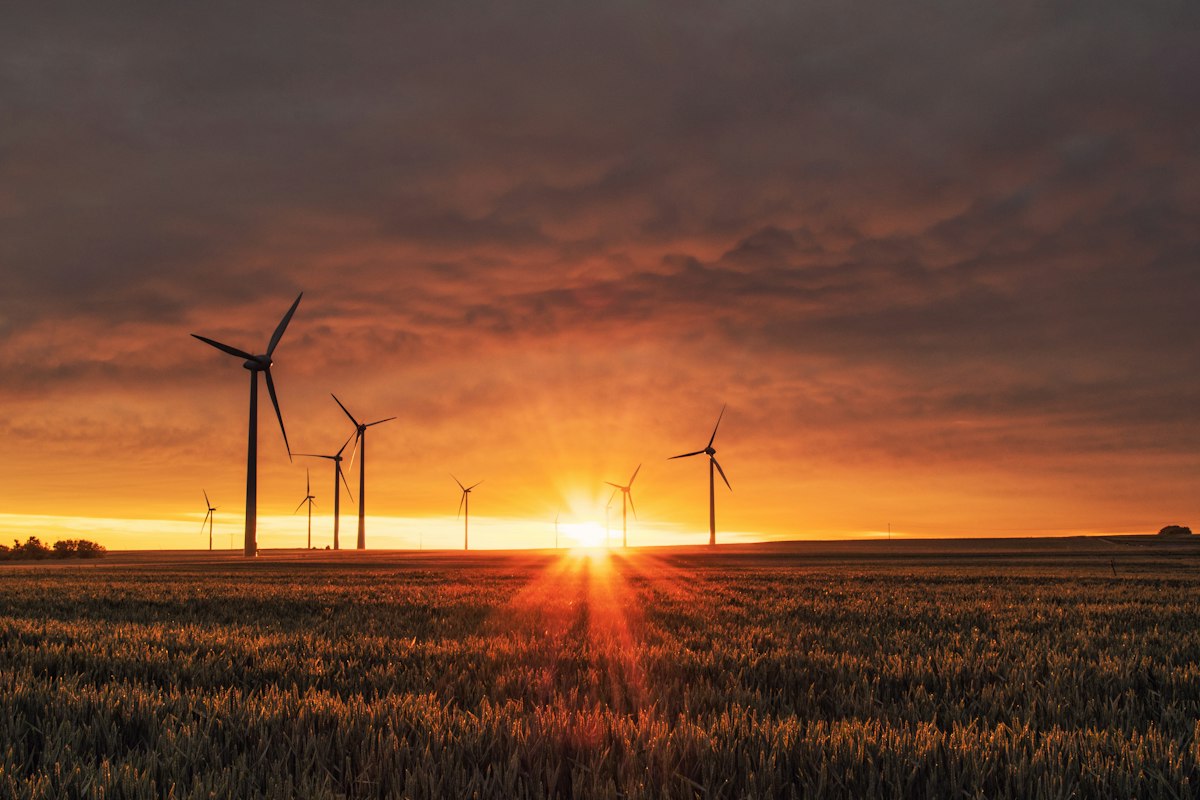
Moreover, competition from renewable energy sources continues to grow. A recent report from the U.S. Energy Information Administration (EIA) indicates that renewables are expected to account for 30% of the nation’s energy mix by 2027, putting additional pressure on oil companies to innovate.
“Transitioning to a more sustainable energy framework is not just important; it’s imperative for Texas,’” stated Dr. Mark Reynolds, an energy economist at the University of Texas at Austin. “While oil will remain a key player, Texas must diversify its energy portfolio.”
In response to these market pressures, Texas oil companies are likely to increase their investments in cleaner technologies and renewable energy initiatives. By doing so, they aim to not only enhance sustainability but also counteract the impacts of supply chain disruptions.
As the Texas oil industry continues to navigate this tumultuous landscape, the ability to adapt and respond to both domestic and international challenges will be crucial to maintaining its competitive edge.