
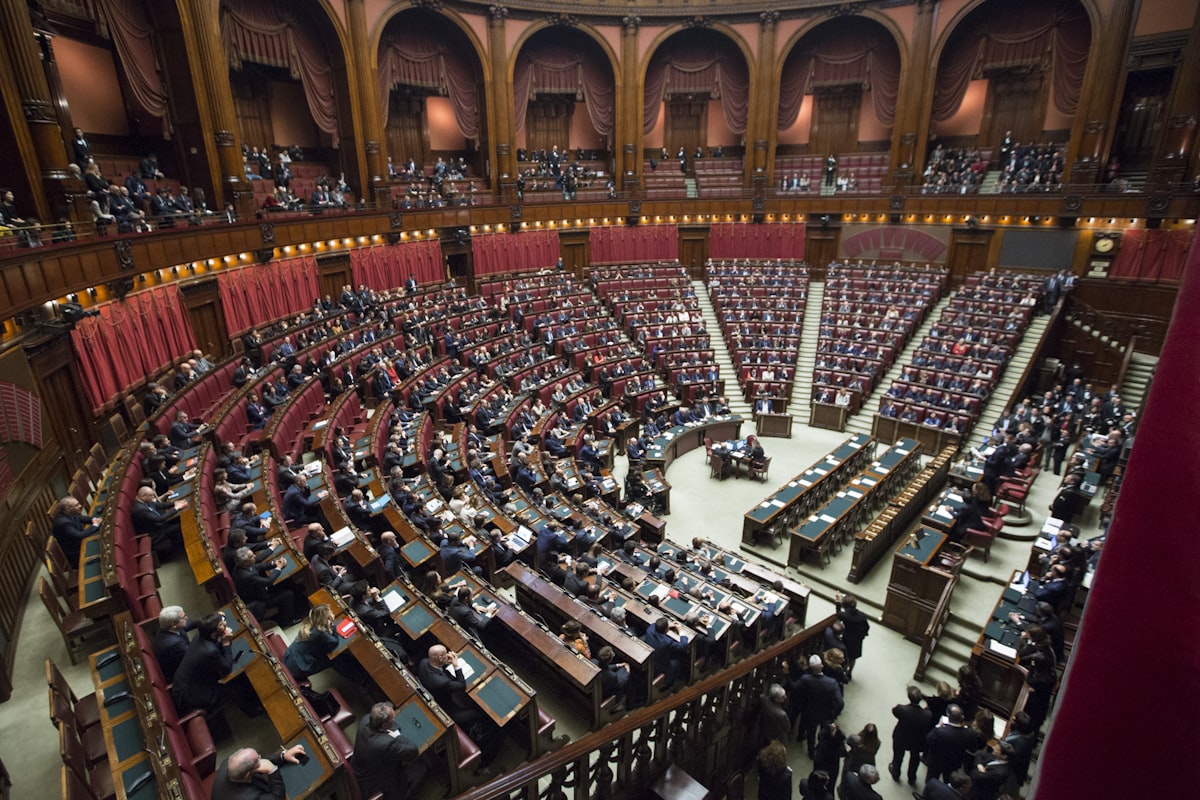
The Texas Legislature is poised to debate a series of contentious property tax reform bills that could reshape the state's approach to taxation.
As property values continue to soar in cities like Austin and Dallas, lawmakers are under increasing pressure to address the financial burden on homeowners. Governor Sarah Jenkins has called for a comprehensive overhaul of the property tax system, proposing to limit tax increases to no more than 2% annually.
"We must provide relief to our homeowners who are facing skyrocketing taxes while ensuring that our schools and public services remain well-funded," Governor Jenkins stated in a press conference last week. The proposed reforms also include a shift to a statewide homestead exemption, currently set at $25,000, which advocates argue would provide substantial relief to low- and middle-income families.
However, the proposed reforms have sparked significant backlash from local government officials and school districts, fearful that reduced tax revenues would lead to cuts in essential services. Dallas Mayor Lisa Carter expressed concern, saying, "While we agree that property taxes need reform, cutting local budgets will have dire consequences for our communities. We need to find balance, not just lower taxes."
The Senate Finance Committee is scheduled to hold hearings next week to discuss the implications of these proposed reforms. Some analysts estimate that if passed, the reforms could reduce property tax revenues by as much as $3 billion annually, significantly impacting local budgets.
"The stakes are high," said Dr. Mark Thompson, a taxation expert at the University of Texas. "If lawmakers prioritize tax cuts over funding essential services, we could see negative repercussions in public health, education, and infrastructure maintenance."
Despite the resistance, support for the reforms continues to build among a vocal segment of the electorate who argue that the current system disproportionately affects young families and retirees on fixed incomes.
As discussions intensify, all eyes will be on the Texas Legislature to see how they navigate the complex intersection of taxation, governance, and community needs.