
As of July 2026, Texas has solidified its position as a leader in renewable energy investment, attracting over $12 billion in new projects in the first half of the year, a significant uptick from $8 billion during the same period in 2025.
Companies are taking advantage of the state’s abundant natural resources, particularly in wind and solar energy. The Texas Wind Energy Association reported that the state generated over 38% of its electricity from wind turbines, making it the top producer in the nation.
In Austin, the city council voted unanimously last week to expand its solar energy initiative, aiming to install solar panels on public buildings by 2028. Mayor Kirk Watson emphasized the importance of these investments, stating, "We must lead by example. Our commitment to renewable energy is not just a goal; it’s a necessity for the future of our city and its residents."
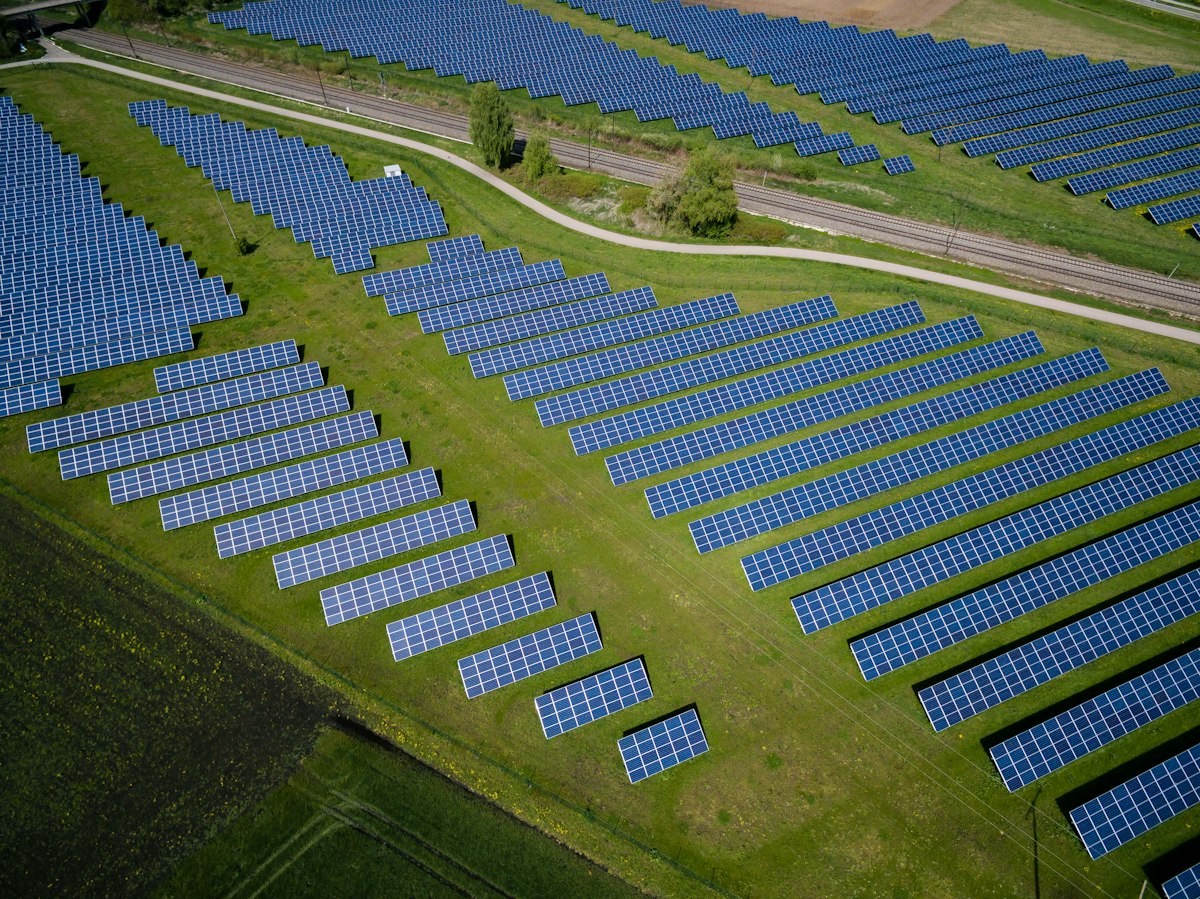
Additionally, Texas is seeing increased participation from private sector players. Companies such as NextEra Energy and Enel North America are ramping up their investment strategies in the region. NextEra announced a new solar farm project in El Paso County, projected to generate 500 megawatts of clean energy, enough to power 150,000 homes.
The push for renewable energy aligns with Texas Governor Greg Abbott's Texas 2030 Initiative, which aims to provide 60% of the state's energy from renewable sources by 2030. In a recent statement, Abbott remarked, "Texas is not just a leader in oil and gas; we are becoming a global powerhouse in renewable energy as well. This is not just about energy; it’s about job creation and environmental stewardship."
However, challenges remain. The state’s energy grid, overseen by the Electric Reliability Council of Texas (ERCOT), has faced scrutiny following the severe winter storm of February 2021. ERCOT is working on enhancing its infrastructure to ensure stability and reliability as renewable energy sources grow.
Experts predict that if these trends continue, Texas could surpass 100 gigawatts of total renewable energy capacity by the end of 2027, a milestone that would further cement its role in the clean energy transition.