
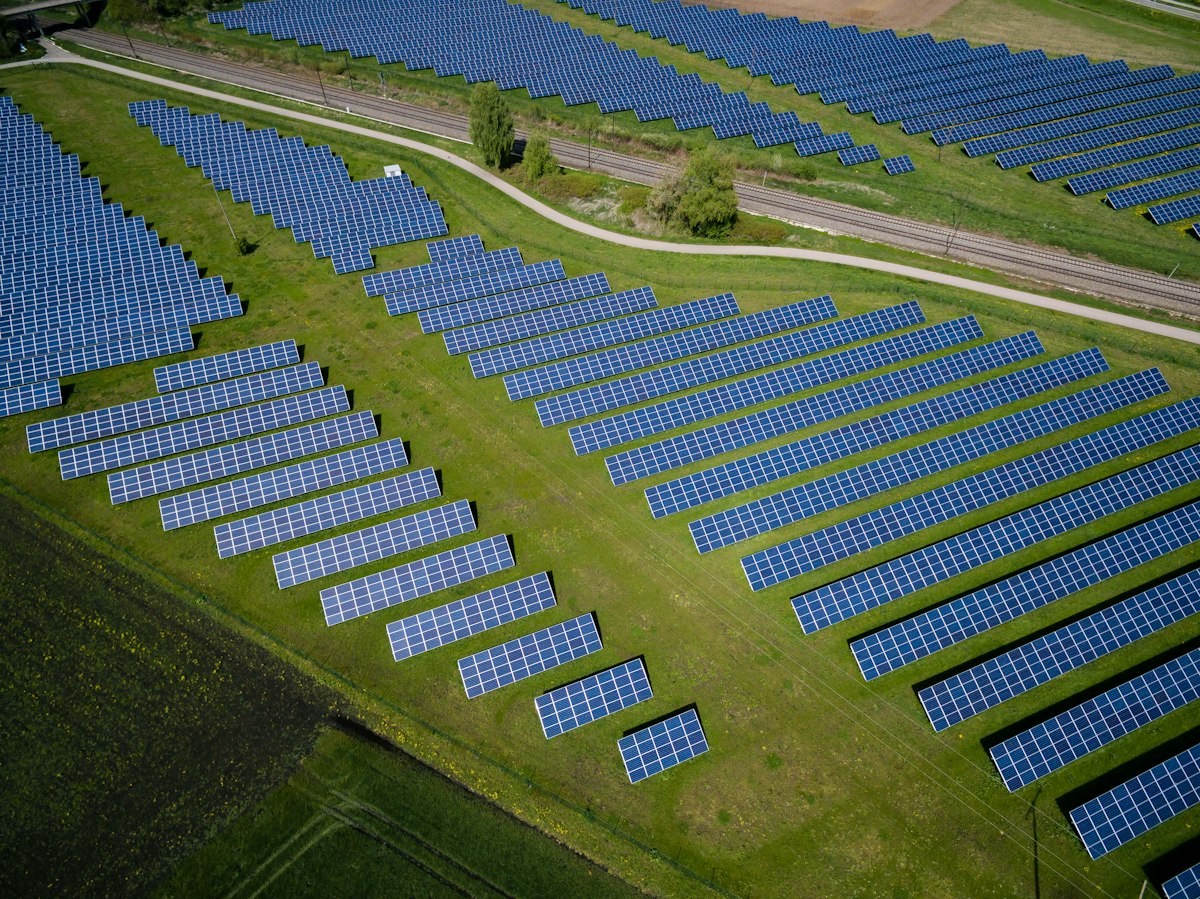
As of July 2026, Texas has firmly established itself as a leader in the adoption of renewable energy, with solar and wind power rapidly displacing traditional fossil fuels.
In 2025 alone, Texas generated nearly 30% of its electricity from renewable sources, a significant increase from just 21% in 2020. This transition is largely attributed to technological advancements and favorable legislative measures aimed at reducing carbon emissions.
The Electric Reliability Council of Texas (ERCOT) reported that solar energy production surged by over 50% in the last year, with installations reaching around 20 gigawatts (GW). This significant uptick has prompted utility companies to rethink their energy portfolios to include more sustainable options.
“The trajectory we are on shows that Texas can lead the nation in renewable energy—not just in generation, but also in innovation,” said Dr. Jennifer McCoy, a renewable energy analyst at the Texas Energy Research Institute. “The investments we’re seeing now will pay dividends for decades to come.”
Cities like Austin and
In addition to increasing renewable generation capacity, Texas has also seen a rise in job creation within the sector. According to the U.S. Bureau of Labor Statistics, jobs in the renewable energy field have grown by 12% annually in Texas, far outpacing the national average.
However, the transition is not without challenges. The state experienced a significant grid failure in February 2021, raising concerns about the reliability of renewable sources during extreme weather events. To address these issues, ERCOT is investing in battery storage technologies and enhanced grid infrastructure to better integrate renewable power.
Looking ahead, Texas aims to double its renewable energy capacity to over 70 GW by 2030. This ambitious target reflects both the state’s commitment to sustainable energy and its strategic importance in the national energy landscape.