
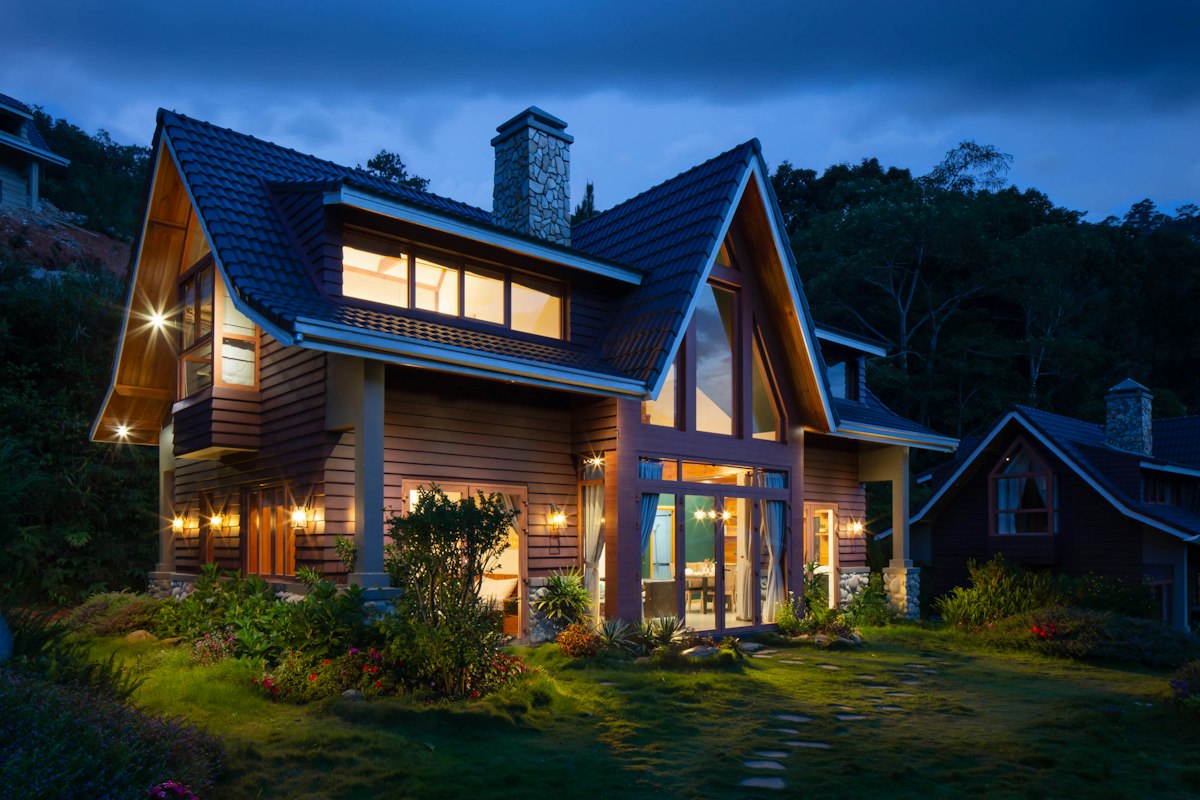
The Texas real estate market is experiencing unprecedented price increases, driven by a combination of robust demand and a constrained supply of available homes. As of July 2026, the median home price in Austin, Texas, has surged to $600,000, reflecting a 15% year-over-year increase, according to the Texas Real Estate Research Center.
A combination of factors, including a booming tech sector and an influx of remote workers, has led to a significant rise in demand for housing in the Lone Star State’s major metropolitan areas. Austin, Dallas, and Houston have seen an influx of new residents seeking both temporary and permanent housing solutions. "Texas remains an attractive destination for individuals and families alike, but our inventory is simply not keeping pace with demand," stated Mark Johnson, Chief Economist at the Texas Real Estate Commission.
In response to the rising prices, many potential homebuyers are increasingly frustrated. The National Association of Realtors reported that homebuyer affordability is at its lowest point since 2008. Coupled with rising interest rates, many residents are being priced out of the market entirely.
In Austin specifically, the shortage of single-family homes has created an intense competition among buyers, resulting in bidding wars that often push prices far above the asking price. Local real estate agent Sarah Patel noted, "We are seeing homes listed at $500,000 often sell for $600,000 or more, which is unsustainable for many families. This isn't just a bubble; it reflects the severe lack of inventory in a city that's growing rapidly."
The situation is further compounded by local government regulations and zoning laws that limit new construction, particularly in desirable neighborhoods. In Houston, where the real estate market is somewhat more flexible, builders are ramping up construction, but delays due to supply chain issues, labor shortages, and increased material costs continue to hinder progress.
The Texas housing crisis can also be attributed to a lack of affordable housing options. Cities are grappling with the challenge of balancing development with community needs, particularly for lower-income families. A recent report by the Texas Department of Housing and Community Affairs highlighted that the state needs an estimated 1 million affordable housing units to meet current demand.
Looking ahead, experts anticipate that prices will continue to rise unless significant changes are made to increase housing supply. With more companies choosing to establish their headquarters in Texas, the demand for housing is unlikely to wane. As Johnson succinctly stated, "Unless we address the underlying supply issues, we will continue to face a serious housing crisis in Texas."