
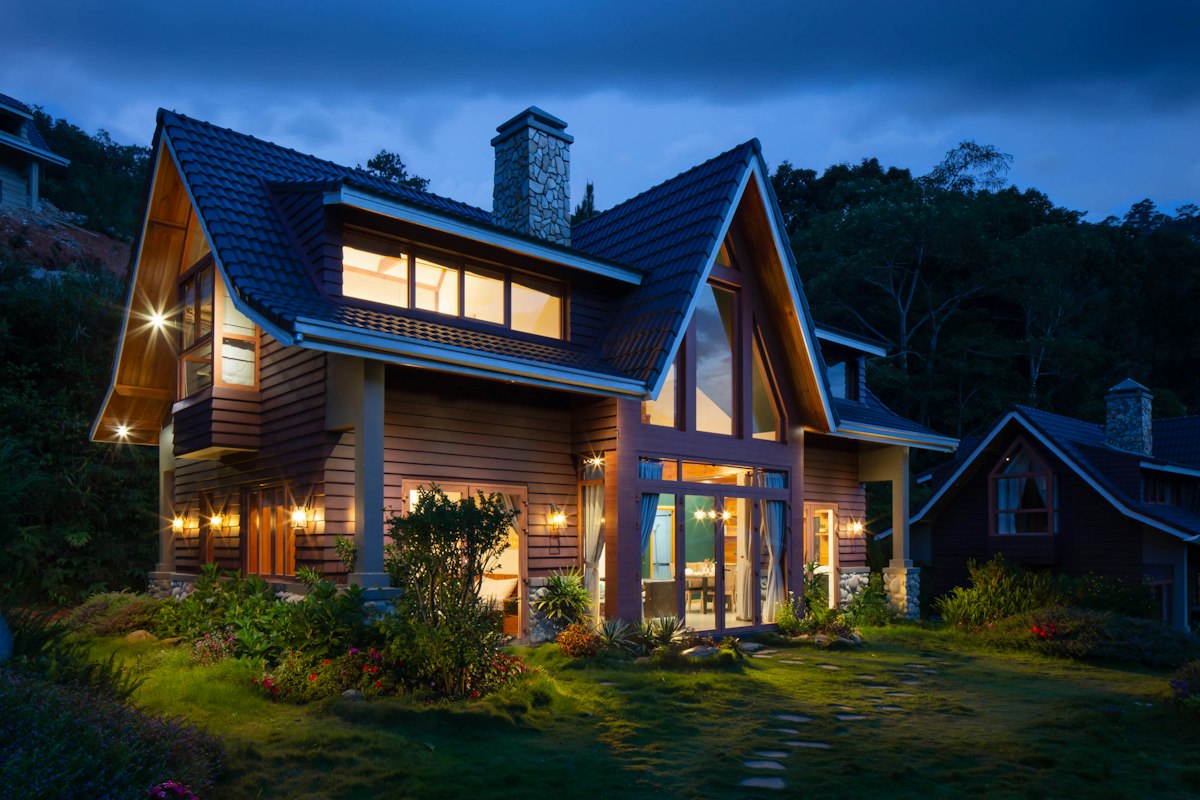
In July 2026, the Texas housing market is experiencing a notable shift as home prices begin to stabilize after a period of rapid increases and economic turbulence.
Recent data from the Texas Real Estate Research Center indicates that the median home price across major cities in Texas, including Austin, Dallas, and Houston, has plateaued around $450,000, marking a slight decline of 2% compared to the same period last year. This stabilization comes as buyers face increasing interest rates and a challenging economic landscape.
In Austin, which once saw meteoric growth, home prices have dipped by 3% year-over-year, now averaging $550,000. Local real estate agent Amanda Rodriguez commented, “We’re seeing a shift in buyer sentiment, with many more reluctant to make hasty decisions in this uncertain climate.” The demand for homes remains robust, but buyers are becoming more discerning, opting for properties that offer better value.
Dallas, in contrast, has managed to maintain its appeal, with home prices remaining steady at approximately $420,000. The city benefits from a diverse job market and a steady influx of new residents, which has tempered the effects of rising interest rates.
Houston's market reflects a similar trend, with median prices holding at $385,000. The city's strong commercial sector, particularly in energy and healthcare, has contributed to its housing resilience. John Smith, a local economist, noted, “Houston is insulated to some extent from the fluctuations seen in other parts of the state due to its economic diversity.”
Despite the stabilization, analysts caution that the effects of inflation and economic policy adjustments could still weigh heavily on the market. Mortgage rates have climbed to an average of 7% as of July 2026, compelling buyers to reconsider their budgets and home sizes.
Furthermore, supply chain issues and labor shortages continue to hinder new construction, which has resulted in a significant inventory shortage. According to the Texas Association of Builders, the state is facing a housing deficit of approximately 200,000 units.
To combat this, developers are increasingly looking toward urban infill projects and mixed-use developments, which can provide more affordable housing options within existing neighborhoods. “We are focused on creating sustainable, integrated communities that cater to diverse income levels,” said Karen Lee, a project manager at Urban Development Group, based in Dallas.
As Texas navigates these evolving dynamics, the broader economic implications remain uncertain. While there are signs of stabilization, the interplay of interest rates, inflation, and demographic shifts will continue to shape the market for the foreseeable future.