
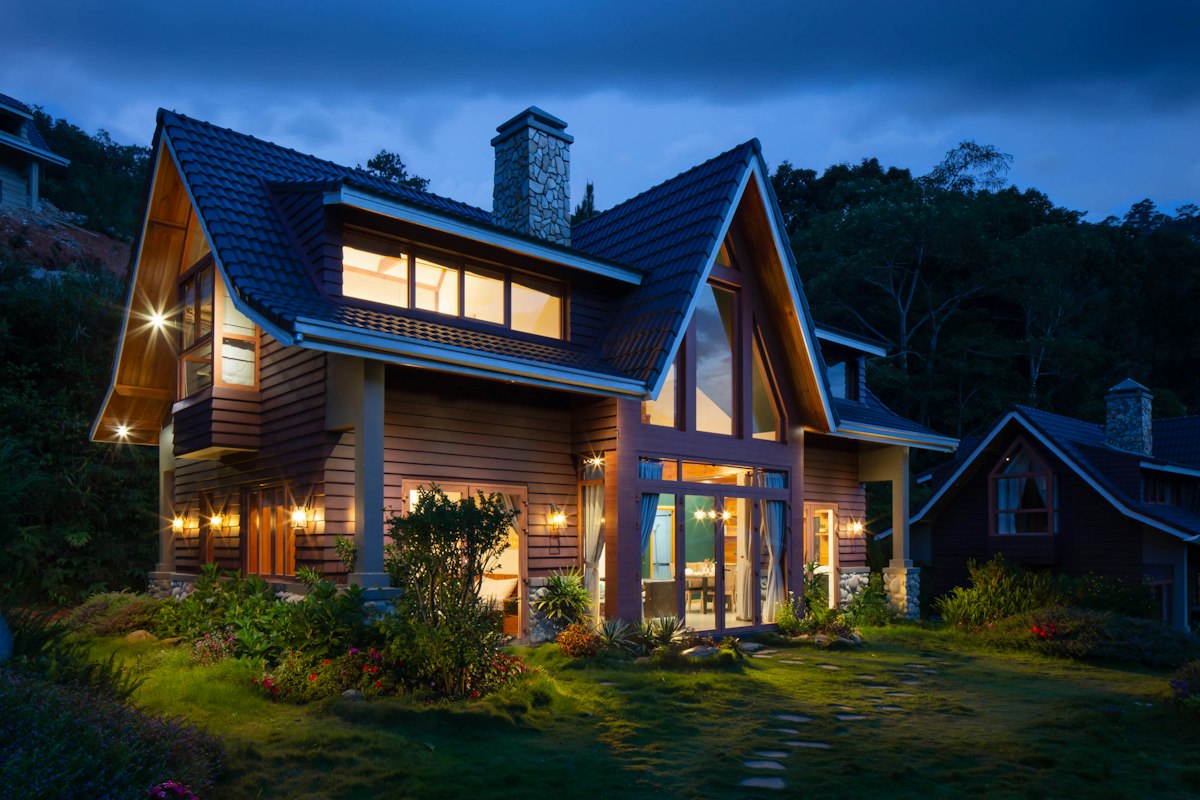
As of July 2026, the Texas housing market is experiencing an unprecedented surge in home prices, with the average cost of a single-family home in Austin reaching approximately $650,000, a staggering 18% increase from the previous year.
The latest data released by the Texas Real Estate Research Center indicates that the state's housing inventory is at its lowest in over a decade, exacerbating the competitive landscape for homebuyers. Cities like Dallas and Houston are also witnessing substantial price hikes, with average home prices climbing to $500,000 and $420,000 respectively.
“This situation is largely driven by a combination of factors, including a robust job market, low interest rates, and a demographic shift,” said Dr. Jim Gaines, Chief Economist at the Texas A&M Real Estate Center. “We are seeing an influx of buyers from other states who are attracted to Texas’ economic opportunities and favorable tax structure.”
According to local real estate experts, the demand for residential properties is expected to remain strong throughout the summer months, with many potential buyers vying for a limited number of listings. The lack of sufficient new construction, coupled with soaring demand, has led to bidding wars in many neighborhoods, further inflating prices.
In Austin, the market is particularly competitive, with homes often selling for more than the asking price. “We are seeing multiple offers within hours of listing, which puts buyers in a difficult position,” noted Susanne Johnson, a real estate agent with Keller Williams in Austin. “It’s not just about finding a home anymore; it’s about making the most appealing offer.”
The rise in home prices has prompted concerns over affordability, particularly for first-time homebuyers. Many individuals and families are now looking at alternative options, including smaller towns and suburbs, where prices are somewhat more manageable. Cities like Round Rock and Pflugerville are becoming increasingly popular as buyers seek to escape the affordability crunch in urban centers.
Additionally, the rapid price increases have sparked discussions about potential regulatory interventions. Some policymakers are advocating for zoning reforms to encourage more residential development, which could help alleviate the supply constraints. However, such proposals face significant pushback from existing homeowners concerned about the impact on property values.
As the Texas housing market continues to evolve, industry analysts are keeping a close watch on economic indicators that may influence future trends. The Federal Reserve's monetary policy, particularly regarding interest rates, will likely play a pivotal role in shaping the trajectory of home prices in the coming months.
With summer in full swing, the Texas housing market remains a focal point for both local and national observers. Buyers and sellers alike are navigating a landscape characterized by fierce competition and escalating prices, signaling that the Lone Star State’s real estate sector is poised for a transformative period.