
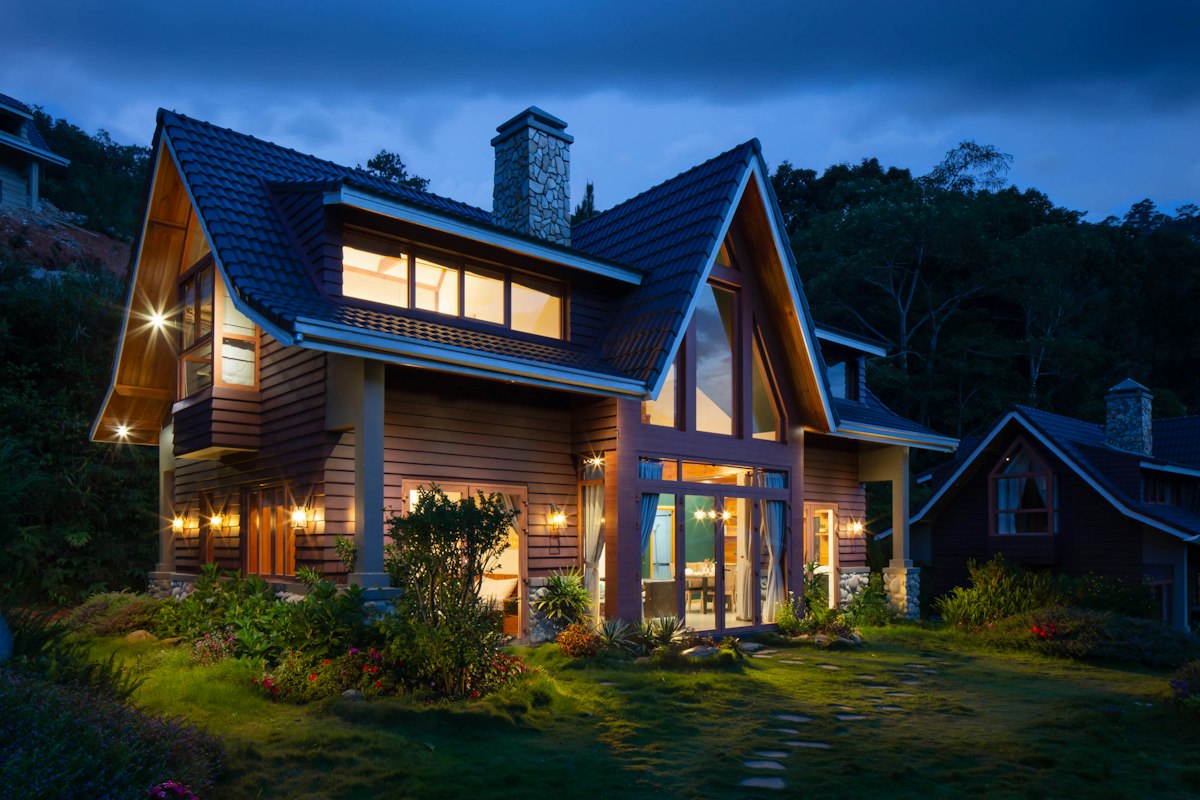
As the Texas housing market adjusts to a complex economic landscape in mid-2026, signs of moderate growth are evident, even as inflationary pressures persist.
According to the Texas Real Estate Research Center, home prices across major cities such as Austin, Dallas, and Houston have increased by approximately 4.5% year-over-year as of June 2026. This growth, while slower than previous years, indicates resilience in the face of rising interest rates and uncertainty in economic forecasts.
In Austin, the median home price reached $560,000, up from $535,000 a year ago. Dallas and Houston followed suit, with median prices of $450,000 and $360,000, respectively. These figures underscore a continued demand for housing, despite the challenges posed by higher borrowing costs.
“We are seeing a shift in buyer behavior,” noted Michael McGowan, a senior analyst at the Texas Association of Realtors. “Many prospective homeowners are now looking at smaller cities and suburban areas as affordability becomes a critical factor.”
The trend toward suburban living is reflected in places like Frisco and Round Rock, where inventory levels have plummeted. In Frisco, the average days on the market for homes has decreased to 25 days, compared to 45 days just a year ago. This trend points to a growing preference for spacious homes over urban apartments.
In addition to shifting preferences, rental rates in Texas have also surged. The average rent in major urban areas increased by 6% in the last year, exacerbating the affordability crisis for many residents. “Rising rental prices are creating a ripple effect in the housing market,” McGowan added. “Many renters are now motivated to buy, pushing more buyers into an already competitive market.”
Despite these trends, experts caution that the outlook for the housing market remains uncertain. Inflation is still a concern, and any further increases in mortgage rates could dampen buyer enthusiasm. The Federal Reserve is closely monitoring these trends as it contemplates future interest rate adjustments.
Overall, while the Texas housing market displays signs of resilience, the interplay of rising costs, buyer behavior, and economic uncertainty will continue to shape its trajectory in the coming months.