
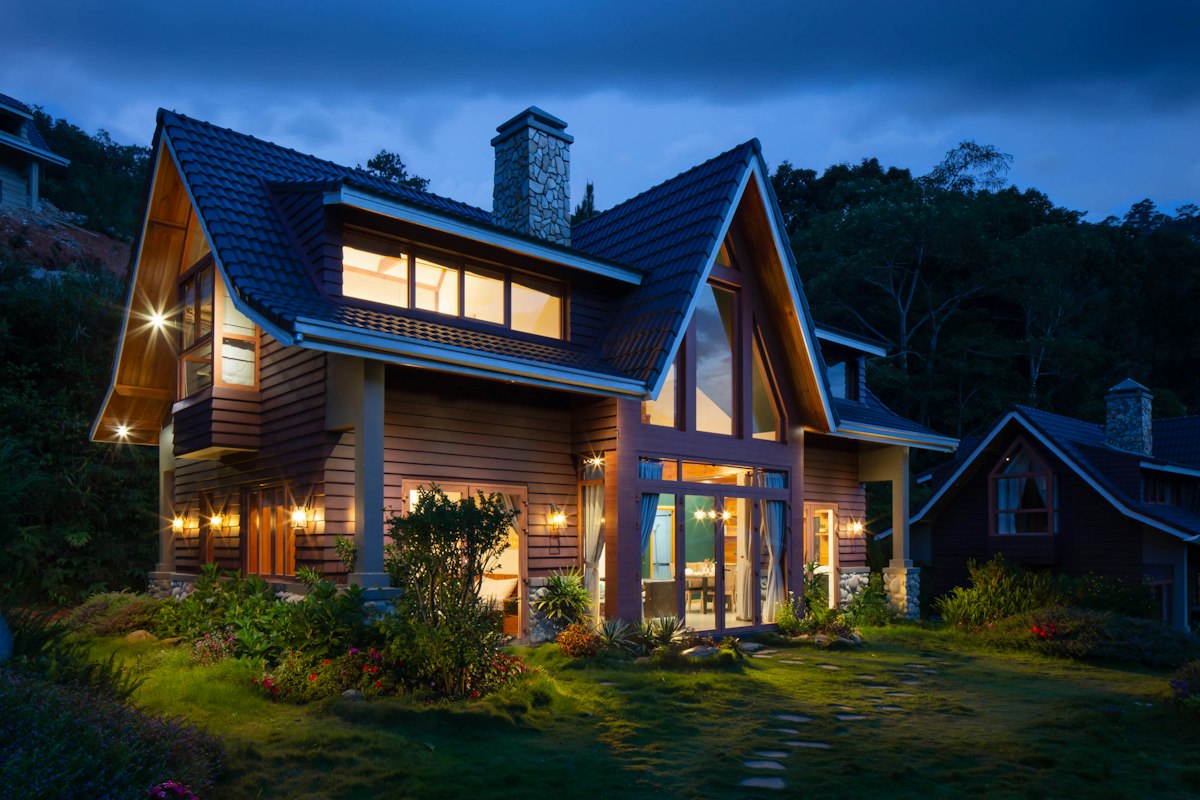
As rising interest rates continue to reshape the landscape of the Texas housing market, homebuyers are facing unprecedented challenges.
According to the Texas Real Estate Research Center, the average mortgage rate reached 6.75% in August 2026, a steep increase from 3.25% just a year ago. This surge has significantly impacted affordability, pushing many potential buyers out of the market and contributing to a stagnation in home sales across major Texas cities.
In Houston, for instance, the number of existing home sales fell by 15% year-over-year in July 2026. The Houston Association of Realtors reported a median home price of $350,000, reflecting a 4% increase from the previous year, yet many buyers find themselves priced out as monthly payments rise with the higher rates.
“The current interest rate environment is creating a significant barrier for first-time homebuyers in Texas,” stated Patricia Gonzalez, a local real estate agent with Keller Williams Realty. “Many are opting to rent or waiting for better market conditions, which in turn is placing more pressure on the rental market.”
The rental market is indeed feeling the pinch, with rental prices in Dallas increasing by 8% over the past year. As buyers hold back, the demand for rental properties has surged, leading to a tightening of inventory and further escalation of rents.
Moreover, construction activity has not kept pace with demand. The Dallas Builders Association noted that new residential construction permits have dropped by 20% in the first half of 2026 compared to the same period last year. Builders are citing rising costs of materials and labor shortages as critical factors contributing to this decline.
In Austin, the tech-driven real estate boom continues, but even this hot market is starting to show signs of cooling. The Austin Board of Realtors reported that the annual price growth in the city is slowing to just 2%, down from 10% a year ago. This moderation is seen as a necessary correction following years of rapid appreciation.
“While Austin remains attractive due to its job market and quality of life, the rising cost of borrowing is making it less accessible for many,” said John Roberts, a regional economist. “Expect to see a shift in buyer preferences as they seek affordability in surrounding suburbs.”
Industry experts suggest that the Texas housing market may take some time to stabilize. Analysts predict that home prices will likely plateau as demand adjusts to the new financial landscape created by rising interest rates. “We’re entering a new phase of the market cycle, and buyers will need to adapt their strategies accordingly,” added Roberts.
In conclusion, as Texas navigates the complexities of the current real estate environment, both buyers and sellers are feeling the impact of rising interest rates and limited inventory. The road ahead remains uncertain, yet adaptability and market awareness will be crucial for all stakeholders.