
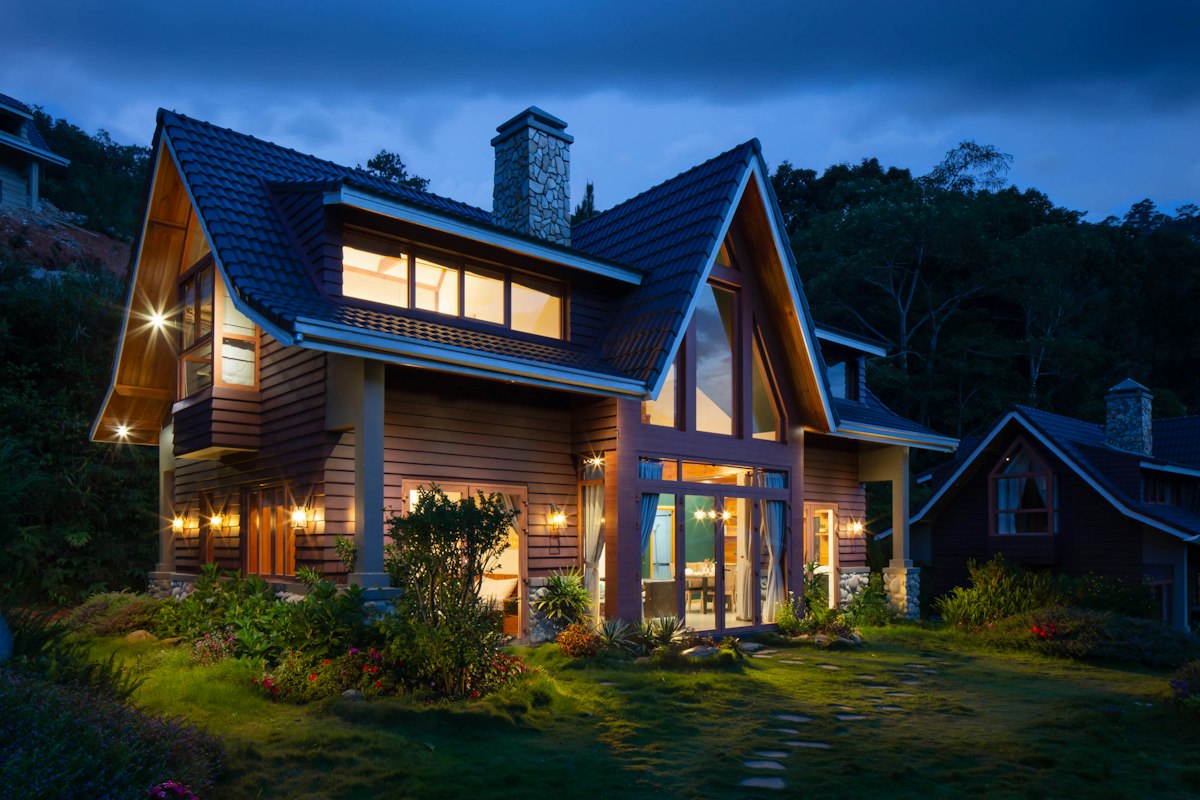
The Texas housing market is grappling with increasing interest rates and a persistently low inventory, creating significant challenges for both buyers and sellers as the state heads into the latter half of 2026.
According to the Texas Real Estate Research Center at Texas A&M University, the average interest rate for a 30-year fixed mortgage has surged to 7.5%—a stark increase from 3.1% just two years ago. This sharp rise is contributing to a slowdown in home sales across major cities such as Austin, Dallas, and Houston.
In Austin, home sales fell by 12% in the second quarter compared to the same period last year, as buyers are increasingly priced out of the market. "The combination of rising interest rates and skyrocketing home prices has created a perfect storm for first-time buyers, who are now facing unprecedented hurdles," commented local real estate expert Sarah Thompson, managing director at Thompson Realty Group.
Despite these challenges, some areas of Texas continue to see demand. The Dallas-Fort Worth metroplex, known for its robust job market, remains a hotspot. "We're still seeing significant interest from out-of-state buyers, particularly in suburban areas where inventory is more available," said Paul Miller, a local realtor with over 15 years of experience.
However, the current average home price in the metroplex has reached $450,000, up from $375,000 last year, making affordability a growing concern. This situation is echoed in Houston, where prices have similarly spiked, leading to a declining number of transactions.
As a response to the shifting market dynamics, builders have started to adjust their strategies. Companies like Lennar and DR Horton are pivoting towards more affordable housing options, focusing on townhomes and smaller single-family units. "There's a clear demand for lower price points; we have to adapt to survive," stated Eric Johnson, regional manager at Lennar.
Meanwhile, the rental market is also feeling the pinch, with average rents in Austin reaching $2,500 per month, marking a 25% increase from the previous year. This trend is pushing many potential homebuyers to consider renting instead, perpetuating the cycle of low inventory in the purchasing market.
Analysts predict that unless interest rates stabilize or decrease, the housing market in Texas may continue to face downward pressure through the end of 2026. For now, buyers are advised to remain patient and explore all financing options available to them.