
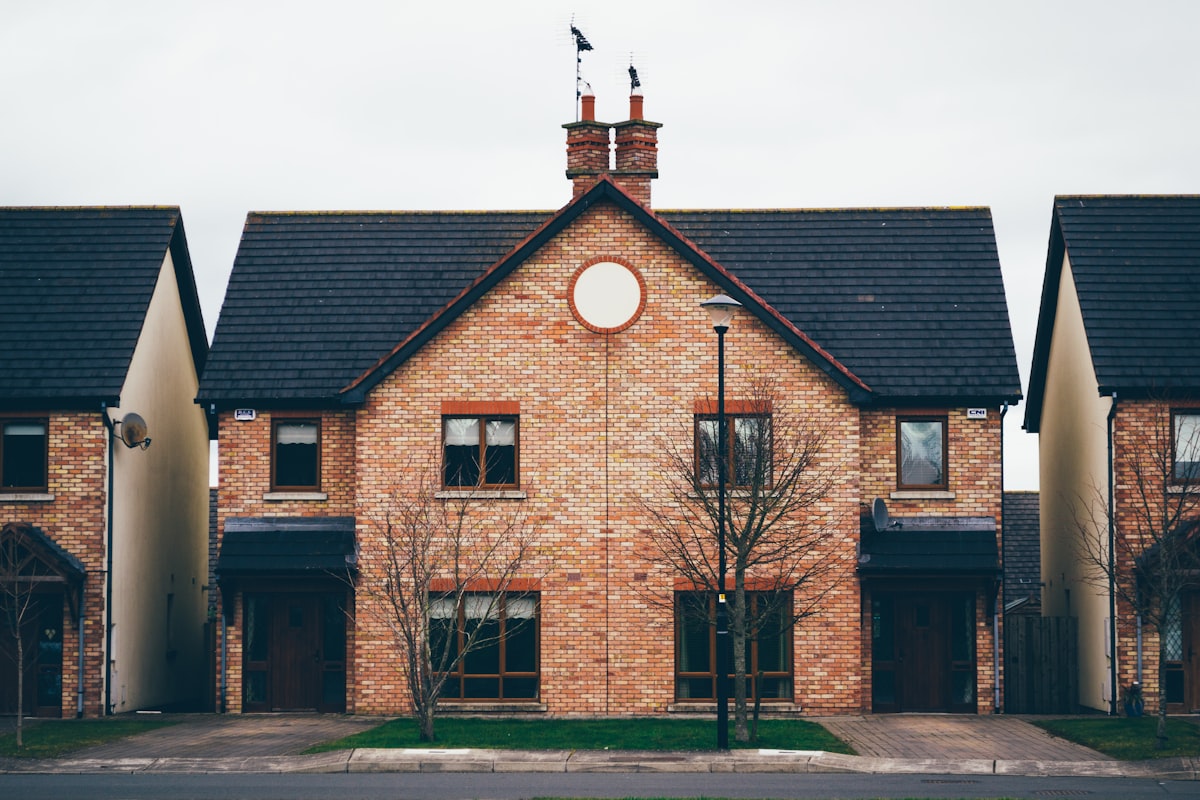
The ongoing housing affordability crisis in Texas is deepening, as rising costs and stagnant wages create a perfect storm for many residents.
According to the Texas Housing Initiative, nearly 30% of Texas families are currently spending more than 30% of their income on housing, a traditional benchmark for affordability. This statistic marks a significant increase from 2025, when the figure was around 25%.
Cities like San Antonio and El Paso are particularly affected, with median home prices skyrocketing to $350,000 and $290,000, respectively. This surge has made homeownership increasingly unattainable for many, especially in the face of stagnant wage growth.
“We have a real crisis on our hands,” said Maria Gonzalez, a local housing advocate in San Antonio. “Many families are being pushed out of neighborhoods they’ve called home for generations.”
The problem is exacerbated by rising property taxes, which have increased by an average of 5% annually across Texas since 2022. For many homeowners, especially those on fixed incomes or low wages, these hikes are becoming unsustainable. As a result, more residents are seeking rental options, further driving up demand and prices in the rental market.
In Austin, rent prices have soared, with the median cost for a one-bedroom apartment now exceeding $2,200. This increase is particularly burdensome for younger professionals and families, who are often not seeing corresponding wage increases.
Local governments are beginning to take action, with some cities exploring measures such as rent control and affordable housing initiatives to mitigate the crisis. In Houston, city officials have proposed allocating $20 million towards affordable housing developments in the 2027 budget.
“We must prioritize affordable housing if we want to keep our communities intact,” stated Mayor Sylvester Turner. “It’s essential for the economic vitality of our city and the well-being of our residents.”
As Texas grapples with these housing affordability challenges, the path forward remains uncertain. Stakeholders across the sector are calling for collaborative efforts to create sustainable solutions that address both housing costs and wage growth, as the state’s economic future hangs in the balance.