
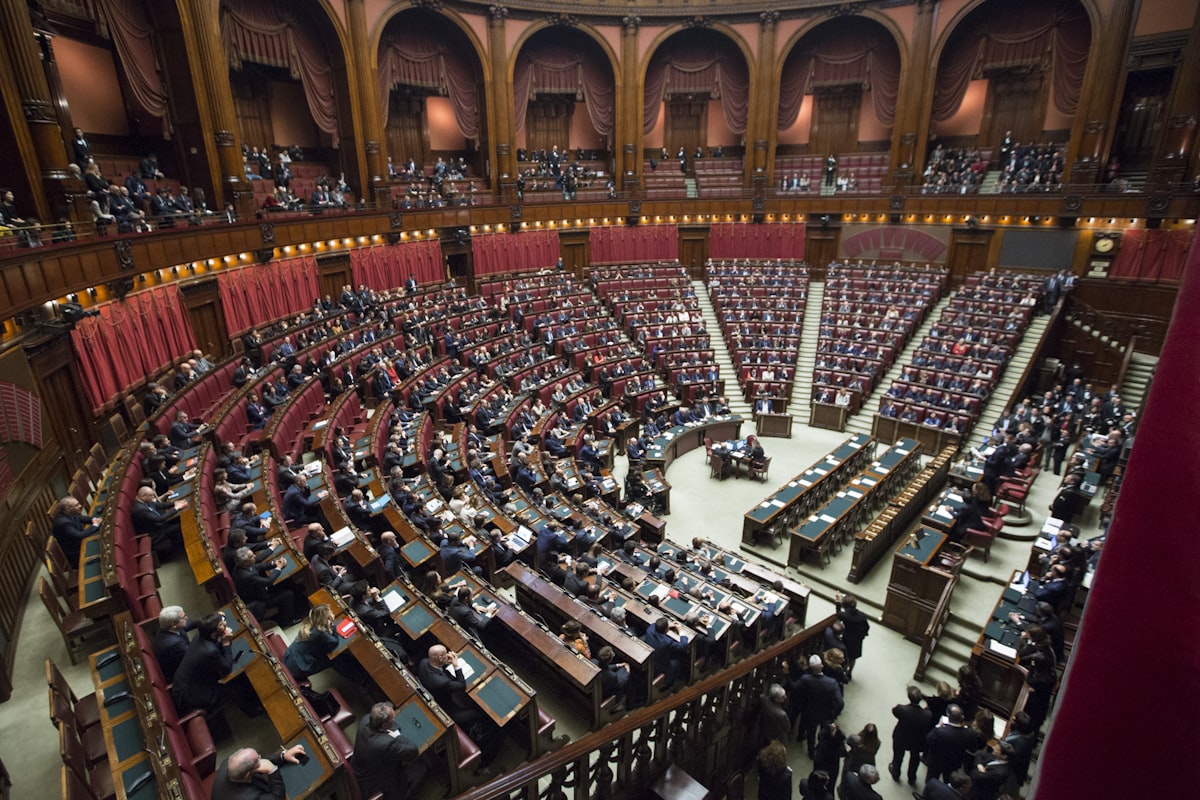
In a contentious move, the Texas House of Representatives passed a controversial education reform bill on July 10, igniting protests across the state.
The bill, which proponents argue will enhance educational standards, includes measures to increase funding for charter schools while imposing restrictions on public school curriculums. Advocates of the bill, including Speaker of the House John Martinez, contend that it will foster competition and improve educational outcomes. "We must give parents more choices for their children’s education. This bill ensures that all students, regardless of their background, have access to high-quality schooling," Martinez stated during a press conference following the vote.
Critics, however, warn that the bill could undermine public education funding and exacerbate inequalities. Over 1,500 educators and parents gathered at the Texas Capitol in Austin on the evening of the bill's passage, chanting, "Public funds for public schools!" Many expressed concerns that the bill prioritizes charter schools at the expense of traditional public schools, which serve the majority of Texas students.
The bill passed with a narrow margin, 78-72, and now awaits approval from the Texas Senate, where further debate is expected. If passed, the reforms could redirect approximately $500 million in funding from public to charter schools over the next two years.
Texas is already experiencing a teacher shortage, and opponents fear that this bill could worsen the situation by making public schools less appealing. Sarah Lopez, a middle school teacher from San Antonio, expressed her frustration, saying, "If we continue to take resources away from public schools, we are going to see even more teachers leaving the profession, and our students will suffer as a result."
The debate surrounding the bill underscores the broader national conversation about education reform, school choice, and the allocation of public funds. As the Texas Senate prepares to take up the issue, stakeholders on both sides of the aisle are braced for intense negotiations and public advocacy.