
Following a series of severe weather events, Texas’ electrical grid is under intense scrutiny, prompting stakeholders to reassess its resilience and reliability ahead of the next storm season.
In recent weeks, a powerful storm system swept through East Texas, resulting in widespread power outages that affected over 500,000 residents. As recovery efforts continue, experts are calling for immediate action to bolster the grid’s infrastructure and prevent future disruptions.
"The recent outages have highlighted critical vulnerabilities in our electrical grid, and we cannot afford to wait for another disaster to address these issues," remarked Dr. Emily Carter, a grid management expert at the Texas A&M Energy Institute. "Investments in technology and infrastructure must be prioritized to ensure reliability for all Texans."
The Electric Reliability Council of Texas (ERCOT) is currently reviewing its contingency plans and has proposed a series of enhancements aimed at improving grid stability. Among these proposals are investments in battery storage systems and more robust interconnections between regions.
However, funding for these initiatives remains a contentious issue. Recent legislative sessions have seen debates over how best to allocate resources, with some lawmakers advocating for a tax increase to fund grid improvements, while others oppose any additional financial burden on consumers. $2 billion is estimated to be needed to implement necessary upgrades effectively.
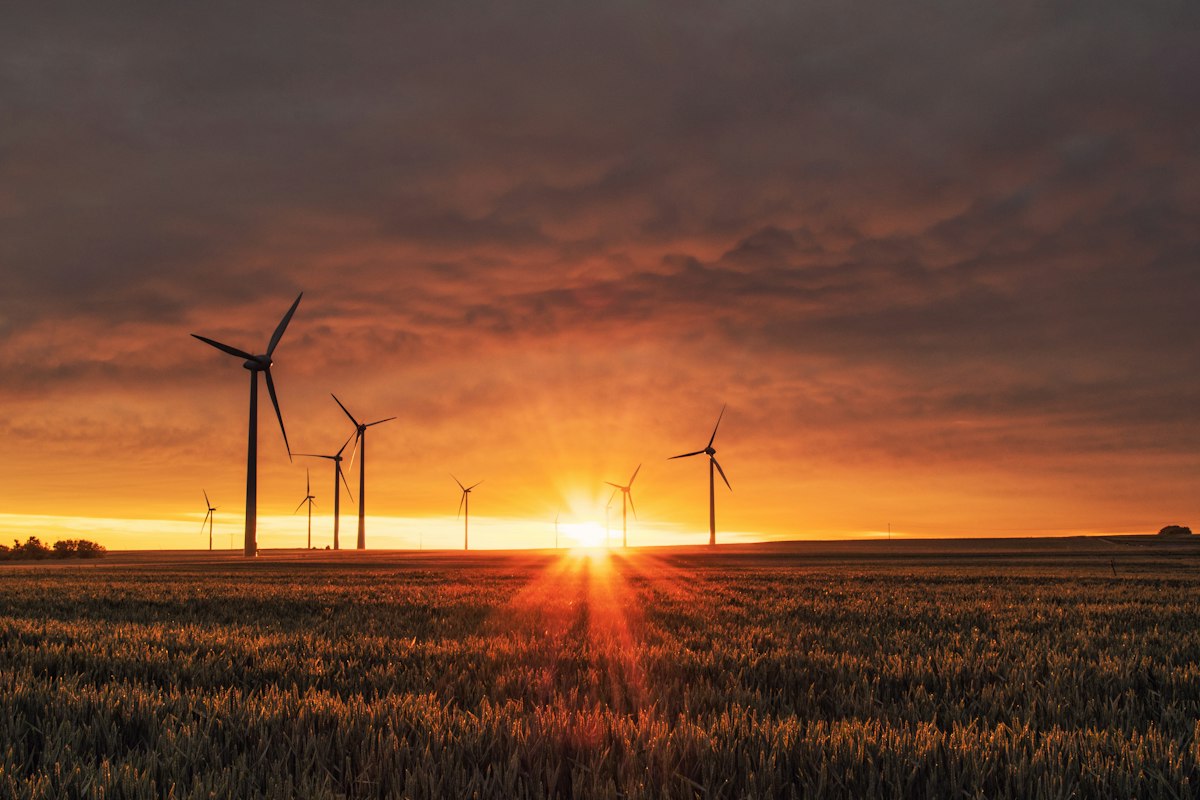
In a bid to permanently address these challenges, ERCOT has also emphasized the importance of integrating more renewable energy sources, which can enhance grid resilience through distributed generation. "Adopting a more diversified energy mix is essential for our future reliability," stated ERCOT’s CEO, Brad Jones.
As Texas braces for another potentially volatile weather season, the urgency to enhance grid infrastructure cannot be overstated. Stakeholders across the state are calling for a collaborative approach between the government, industry, and consumers to build a more resilient energy future.