
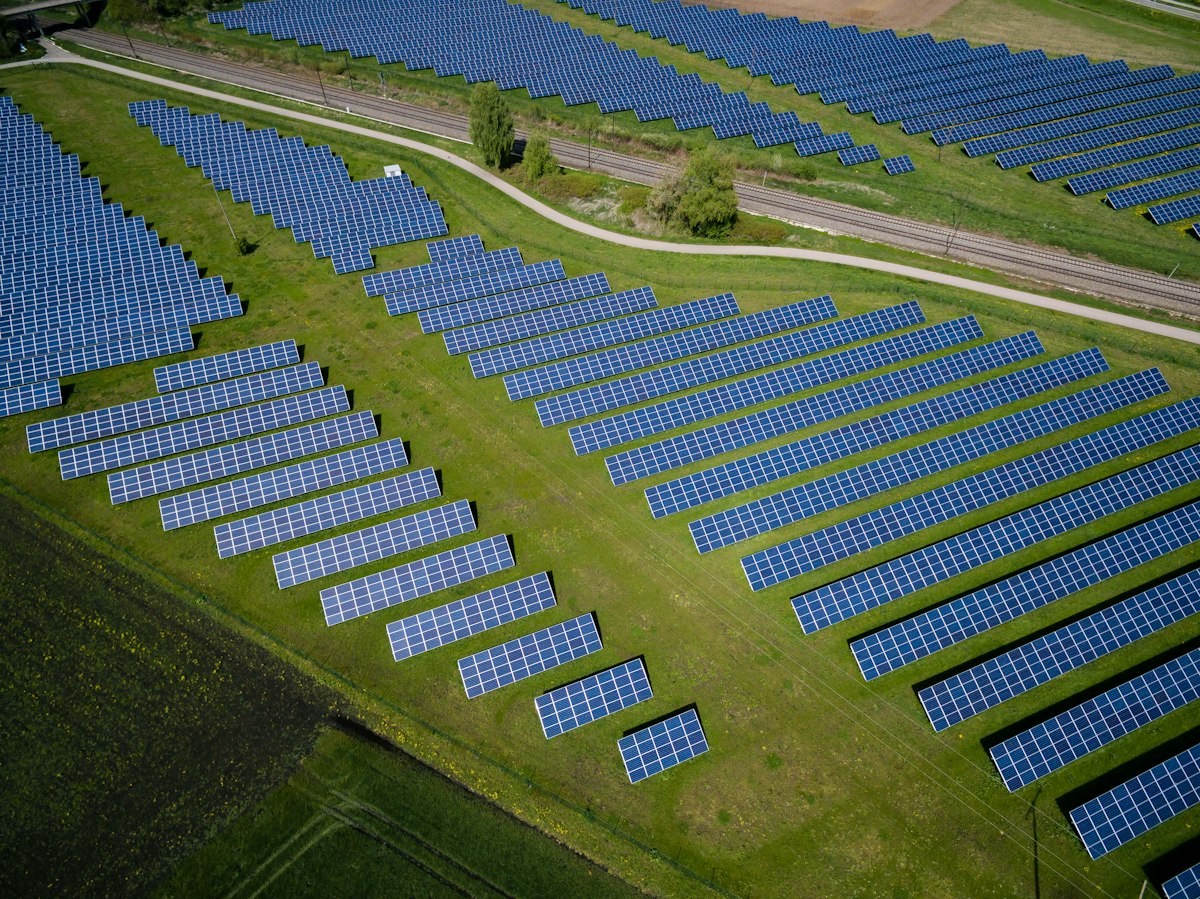
As Texas gears up for another scorching summer, the state's energy grid is under increasing pressure from a surge in renewable energy sources, particularly solar and wind.
The Electric Reliability Council of Texas (ERCOT) reported a record high of 33,000 megawatts generated from renewable sources on May 15, 2026, accounting for nearly 60% of the state's energy output during peak hours. This is a significant jump compared to just 45% a year ago, illustrating a rapid shift towards greener alternatives.
However, this shift comes with challenges. ERCOT's Chief Operating Officer, Brad Jones, warned, “While the increase in renewable energy is promising, we must ensure that our grid can handle the variability that comes with it.” With the summer heat expected to push demand beyond 80,000 megawatts, the reliance on solar and wind could lead to instability if not managed correctly.
The Texas energy market has seen an influx of investments in solar farms, particularly in areas such as West Texas and the Panhandle. Companies like NextEra Energy and Vistra Corp are expanding their renewable portfolios in response to both consumer demand and state mandates aiming for a 50% reduction in carbon emissions by 2030.
In response to these pressures, ERCOT is implementing changes to its system to better integrate renewable energy while maintaining reliability. This includes enhancing energy storage capabilities, with $1.5 billion allocated for battery storage projects set to come online by the end of 2027.
As the state moves toward a cleaner energy future, balancing reliability and sustainability will be critical. Analysts suggest that while renewables are a vital component of the future grid, traditional energy sources may still play a role in ensuring stability during high-demand periods.