
As Texas grapples with an unrelenting heat wave, energy consumption has surged to unprecedented heights, raising concerns about the stability of the state's power grid.
According to data from the Electric Reliability Council of Texas (ERCOT), peak electricity demand reached 79,500 megawatts on July 4, 2026, surpassing previous records. The record temperatures, which climbed to 110 degrees Fahrenheit in cities such as Dallas and Houston, are straining the grid as consumers crank up their air conditioning units.
ERCOT’s Executive Director, Brad Jones, stated, "We are doing everything possible to maintain reliability, but these extreme temperatures put a lot of pressure on our resources." The grid operator has called for voluntary energy conservation measures, urging residents to minimize energy use during peak hours.
In response to the demand surge, several power generation companies have ramped up operations. Vistra Corp, one of Texas's largest power producers, announced that its natural gas plants in the Dallas area are operating at full capacity to meet the heightened demand. Vistra’s Chief Operating Officer, Kirk W. McCullough, emphasized the importance of ready-to-go resources during critical periods, saying, "We are committed to providing reliable energy to Texans, especially during these extreme weather conditions."
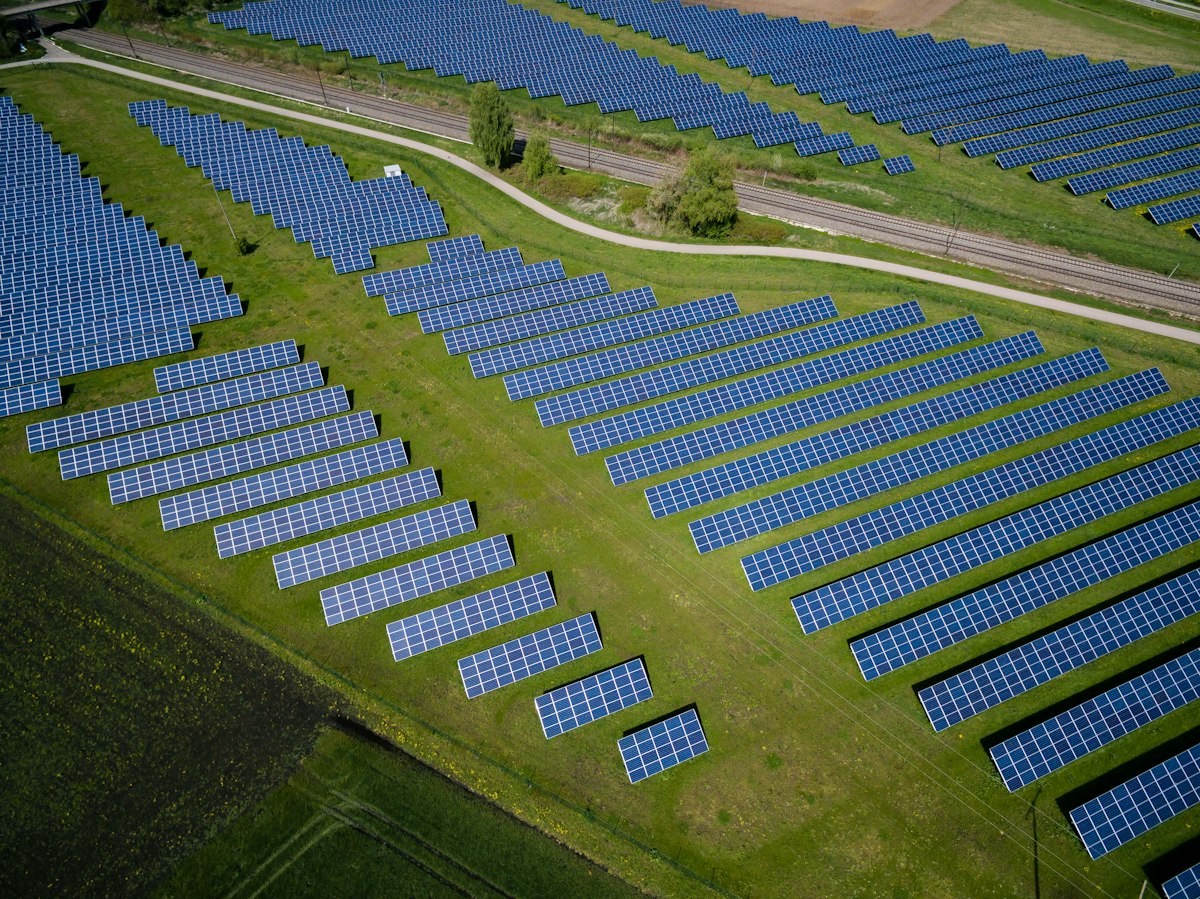
Despite these concerted efforts, concerns remain about the long-term sustainability of Texas's energy grid. Critics are pointing to the state's reliance on intermittent renewable sources like wind and solar, which can be less reliable during extreme heat. An analysis from the Texas Public Utility Commission indicated that the state may require additional dispatchable power sources to support its growing population and energy needs.
In an effort to bolster the grid, Texas lawmakers are considering new legislation that would incentivize investment in energy storage solutions and upgrade aging infrastructure. Proposed measures include tax breaks for companies investing in battery storage technologies, which could provide crucial backup during peak demand periods.
As Texans face potentially more record-breaking heat in the coming weeks, the focus remains on how effectively the state will balance its energy supply with increasing demand, particularly as the state's population continues to grow at an unprecedented rate.