
In the wake of severe winter storms that left millions without power, Texas is making substantial investments to enhance the reliability of its energy grid.
The Electric Reliability Council of Texas (ERCOT) has announced a new plan that includes over $2 billion allocated for infrastructure upgrades aimed at preventing the failures experienced during the winter of 2023. These enhancements are crucial as the state braves the unpredictable Texas weather.
“Our goal is to ensure that the grid is robust enough to withstand extreme weather events,” remarked Peter M. Johnson, ERCOT’s CEO, at a press conference in Austin. “Investing in technology and infrastructure is critical to maintaining energy reliability for all Texans.”
Key elements of the upgrade plan include the installation of advanced weather forecasting systems, enhanced grid monitoring technology, and increased energy storage capacity. This multifaceted approach aims to integrate more renewable energy sources while ensuring that the grid remains stable during peak demand periods.
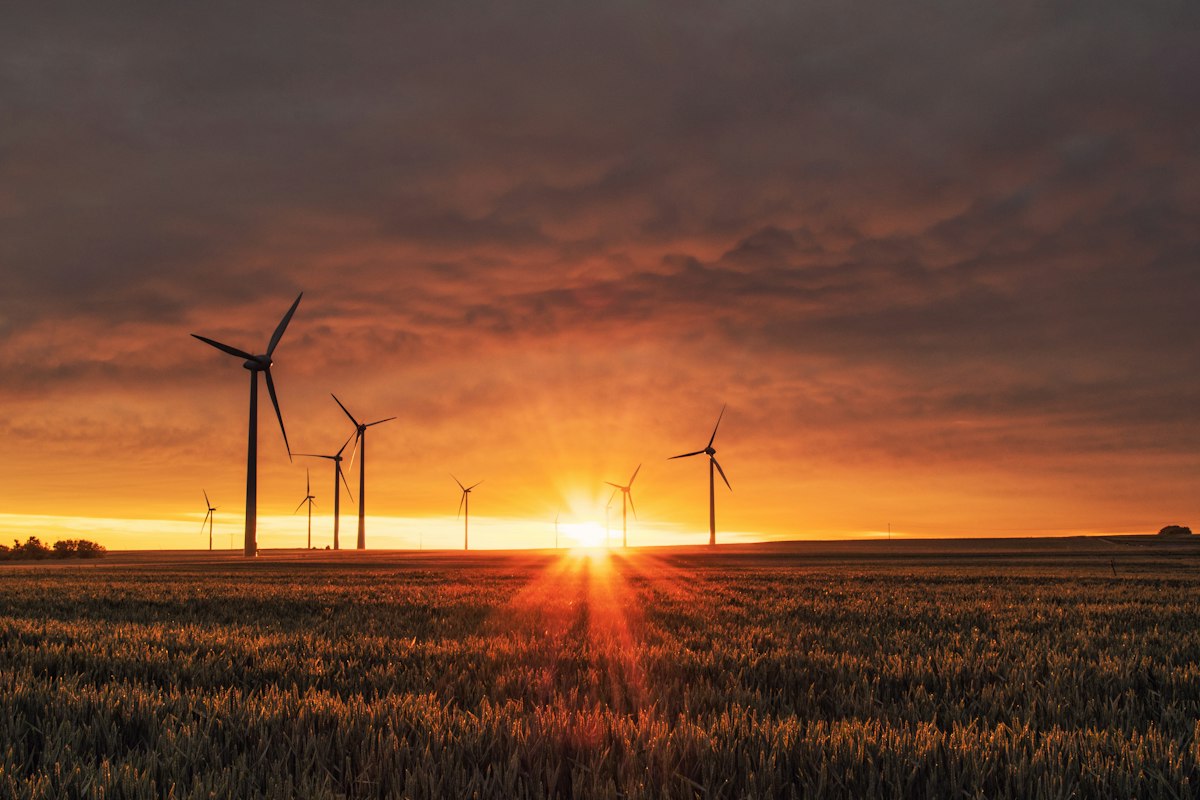
The state has also initiated collaborations with private energy companies to expedite the construction of new transmission lines that will facilitate the transportation of electricity from remote wind farms to urban centers. Reports indicate that 10 new transmission projects are slated for completion by 2028, promising to improve energy distribution significantly.
While the investments are ambitious, they come amidst calls from consumer advocates for greater transparency and accountability within ERCOT. Critics argue that the organization must not only focus on infrastructure but also on ensuring fair practices and pricing for end-users.
“Improvements to the grid are necessary, but ERCOT must also address issues related to pricing and equity,” said Maria D. Torres, an energy policy analyst at the Texas Public Utility Commission. “The focus should be on creating a system that works for everyone.”
Looking ahead, the ERCOT upgrades represent a pivotal step in bolstering Texas's energy resilience. As the state continues to adapt to climate change and increasing energy demands, the investments made today could pay dividends in the years to come.