
As drought conditions continue to plague Texas, farmers across the state are being compelled to pivot their agricultural strategies to adapt to the new climate realities.
The Texas Water Development Board reported that as of July 2026, approximately 90% of the state is experiencing some level of drought, severely affecting crops and livestock. For many farmers, particularly in regions like the High Plains and South Texas, the ongoing water shortages are forcing a reevaluation of traditional farming practices.
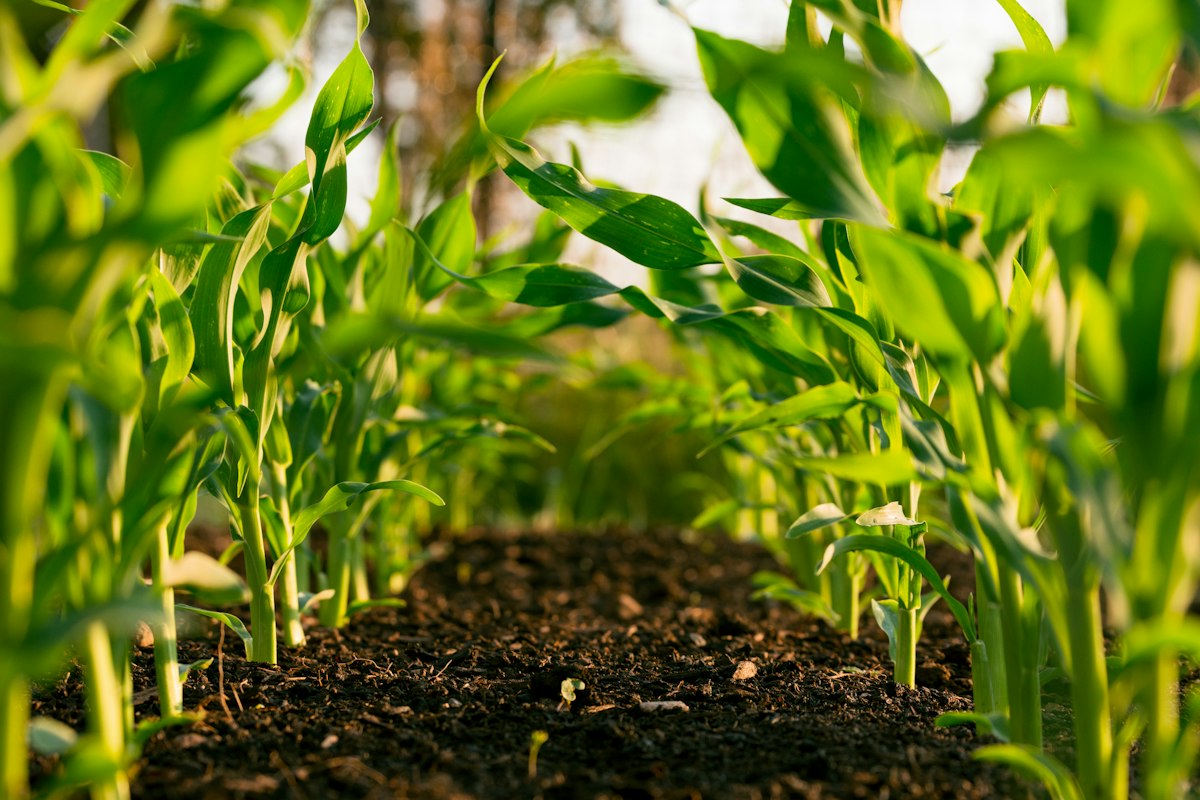
In response to the dire circumstances, many farmers are turning to drought-resistant crop varieties and implementing more efficient irrigation systems. For instance, local farmer Rebecca Johnson from McDade has transitioned her corn and soybean fields to more resilient species, yielding better results under current conditions. “We can’t rely on rain anymore; we must adapt or lose everything,” Johnson stated.
The Texas A&M AgriLife Extension reports that more than 40% of farmers have already adopted drought-resistant crops, and this number is expected to rise as conditions worsen. The shift is not merely a matter of crop selection; it also involves changing planting schedules and embracing conservation tillage practices to retain soil moisture.
Moreover, the Texas Department of Agriculture has introduced several initiatives to support farmers through this transition. Grants for water-efficient technologies and financial assistance for crop insurance have become critical as farmers face economic uncertainty. In a recent press conference, Commissioner of Agriculture Sid Miller emphasized the importance of these initiatives: “We are committed to helping our farmers adapt to these unprecedented challenges. Our agricultural heritage is worth protecting.”
The financial implications of the drought are staggering. Farmers are reporting a 30% decrease in yields compared to the previous year, leading to substantial drops in income. In the cattle industry, ranchers are particularly hard-hit, with feed costs surging due to reduced availability of pasture grass, resulting in a 25% increase in feed prices over the last year.
In an effort to mitigate these impacts, some farmers are forming cooperatives to share resources and irrigation systems. These collaborations not only enhance efficiency but also foster a sense of community resilience. “We can make it through this together,” said Tom Reynolds, a co-op leader in the Panhandle region. “By pooling our resources, we can implement technologies that would be too costly individually.”
Looking ahead, experts predict that with the increasing frequency and severity of droughts, Texas agriculture will undergo a major transformation. This evolution will necessitate a more sustainable approach to farming, prioritizing water conservation and resilient crop varieties. As more farmers embrace these changes, Texas may well emerge as a leader in innovative agricultural practices, creating a sustainable model for future generations.