
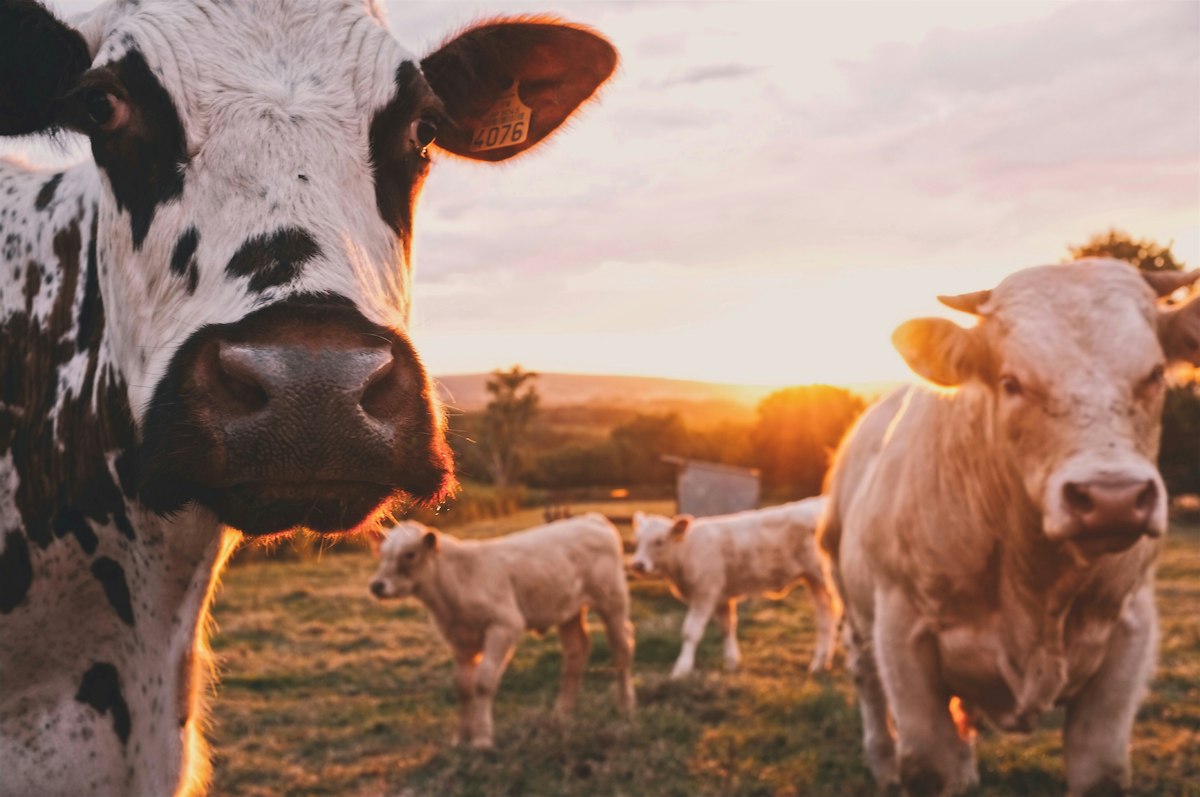
As climate concerns escalate, Texas farmers are increasingly adopting sustainable agriculture practices to secure the future of their crops and livelihoods.
In the heart of the Texas Panhandle, farmers are facing unprecedented challenges due to prolonged droughts and unpredictable weather patterns. According to the Texas A&M AgriLife Extension, the state has experienced a 30% reduction in water availability for agricultural use over the past decade, prompting a shift in traditional farming methods.
One such farmer is David Johnson, who operates a large cotton farm near Lubbock. “We’ve had to rethink our entire approach,” Johnson stated. “By implementing crop rotation and cover cropping, we’re not only conserving water but also enhancing soil health.” This transition is not just a matter of sustainability; it has become essential for survival in a rapidly changing climate.
In 2025, the Texas Department of Agriculture reported that 15% of Texas farmers had adopted some form of sustainable practice, up from 8% in 2020. The state’s commitment to sustainability is reflected in its funding initiatives, which have allocated $50 million to support water conservation projects and sustainable technology implementation in agriculture.
Food producers are also feeling the push towards sustainability. Companies like Whole Foods Market, headquartered in Austin, are prioritizing sourcing from farms that practice sustainable agriculture. “Our consumers are increasingly demanding transparency and sustainability in their food supply,” said Sarah Mitchell, Whole Foods’ Director of Sustainability. “We want to ensure that we are supporting local farmers who are adapting to these new standards.”
The economic implications of this shift are significant. Sustainable practices not only help in conserving resources but can also increase profitability in the long term. A 2024 study from the University of Texas at Austin found that farms employing sustainable practices saw a 20% increase in crop yields compared to those relying solely on conventional methods.
However, the transition is not without its challenges. Many Texas farmers face high upfront costs for new technologies and practices. The Texas Agriculture Finance Authority is working to alleviate this burden, offering low-interest loans to farmers looking to invest in sustainable equipment and practices.
As Texas agriculture continues to adapt to the realities of climate change, the emphasis on sustainability appears to be not only a trend but a necessity. With the state’s vast agricultural landscape at stake, the commitment to innovative sustainable practices by farmers and companies alike may very well determine the future of Texas agriculture.