
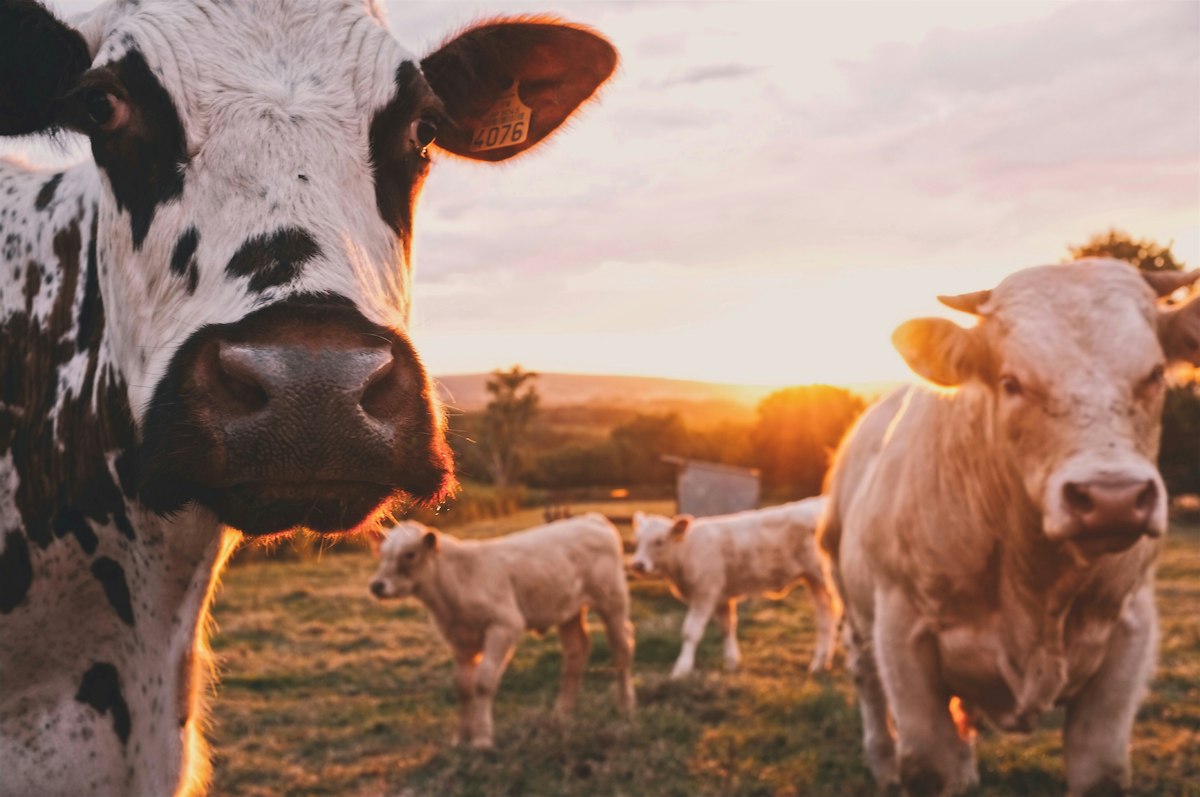
As the effects of climate change intensify, Texas farmers are increasingly adopting sustainable agricultural practices to mitigate risks and enhance productivity.
In the heart of the Texas Panhandle, the drought conditions that have plagued the region for over three years have forced farmers to rethink their strategies. According to the Texas A&M AgriLife Extension Service, nearly 30% of Texas farmers are now implementing at least one form of sustainable practice, such as crop rotation, cover cropping, and integrated pest management.
“The old ways of doing things just aren’t going to cut it anymore,” says Dr. John Smith, an agricultural economist at Texas A&M University. “Farmers are realizing that sustainable practices not only help the environment but can also improve their bottom line.”
Among those at the forefront of this movement is Horizon Farms, a family-owned operation in Amarillo that has transitioned 50% of its 5,000 acres to sustainable farming methods over the past two years. Owner Rebecca Johnson reports a 15% increase in yield since adopting these practices, which have included reducing water usage by 20% and increasing soil health through organic fertilizers.
With the financial pressure mounting due to rising input costs and volatile market conditions, farmers are seeking innovative solutions. The Texas Department of Agriculture recently launched a $5 million grant program aimed at supporting sustainable initiatives. “This funding is a critical step in helping farmers make the transition,” says Agriculture Commissioner Sid Miller. “We want Texas to lead the way in sustainable agriculture.”
Despite these efforts, challenges remain. Many farmers are concerned about the upfront costs associated with transitioning to sustainable methods. According to a survey conducted by the Texas Farm Bureau, 65% of farmers cited financial constraints as a significant barrier to adopting sustainable practices. However, as investment in research and development continues, experts predict a shift in this trend.
Additionally, the demand for sustainably sourced food products is on the rise. Major retailers, including Whole Foods and H-E-B, are increasingly prioritizing suppliers who adhere to sustainable practices. This trend is further supported by consumer preferences, with a recent study showing that 73% of Texas consumers are willing to pay more for products labeled as sustainably sourced.
As farmers navigate these changing landscapes, organizations such as the Texas Organic Farmers and Gardeners Association (TOFGA) are providing essential resources and education to help steer the transition. Through workshops and training sessions, TOFGA aims to equip farmers with the knowledge needed to implement sustainable practices effectively.
The future of Texas agriculture hangs in the balance as farmers continue to grapple with climate impacts and market demands. Nevertheless, the shift towards sustainability presents an opportunity for growth and resilience in a sector that is vital to the state's economy.