
In response to increasing climate challenges, Texas farmers are turning to precision agriculture technologies, enabling them to optimize crop yields while minimizing resource use. As droughts and unpredictable weather patterns become more common, the ability to monitor soil conditions and crop health through advanced sensors and data analytics is proving crucial.
According to a recent report by the Texas A&M Agrilife Extension Service, farmers who implemented precision agriculture techniques saw an average yield increase of 15% in corn and 20% in cotton over the past two growing seasons. This shift not only enhances productivity but also supports sustainable agricultural practices.
"With climate change affecting our traditional farming methods, we have no choice but to adapt," said Jim Hightower, a corn farmer from Lubbock County. "Investing in technology has allowed us to work smarter, using less water and fertilizer while still producing more food. It's a game changer."
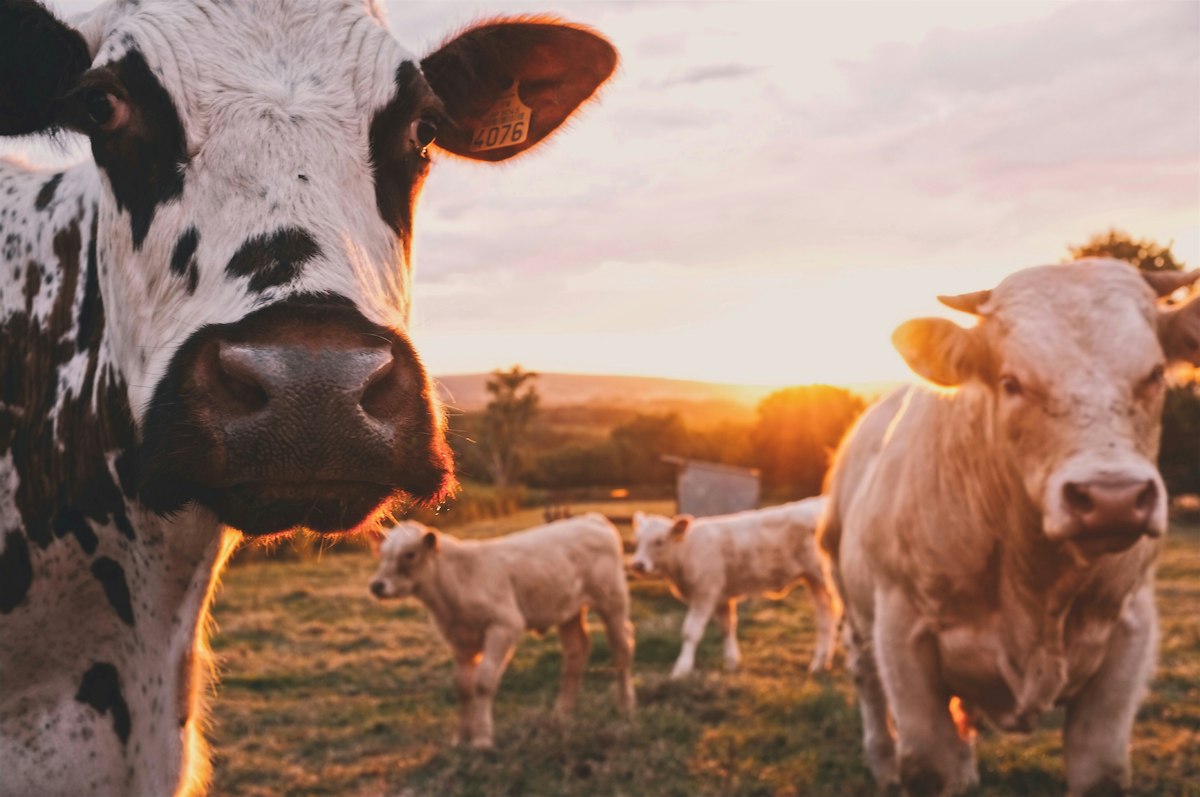
The Texas Department of Agriculture reports that approximately 40% of Texas farmers have integrated some form of precision agriculture into their operations. This includes everything from GPS-guided tractors to drones that assess crop health from the air. The state’s leading agricultural commodity, cattle, is also seeing innovations, with ranchers using tracking technology to monitor livestock health and grazing patterns.
To further support this transition, the Texas legislature has allocated $25 million in funding for agricultural innovation programs aimed at enhancing resource efficiency. The initiative encourages collaboration between technology firms and local farms, fostering an environment where innovative solutions can flourish.
As the agricultural landscape of Texas evolves, farmers are not just looking to survive but to thrive in an era marked by uncertainty. With the adoption of precision agriculture, they are paving the way for a resilient future.