
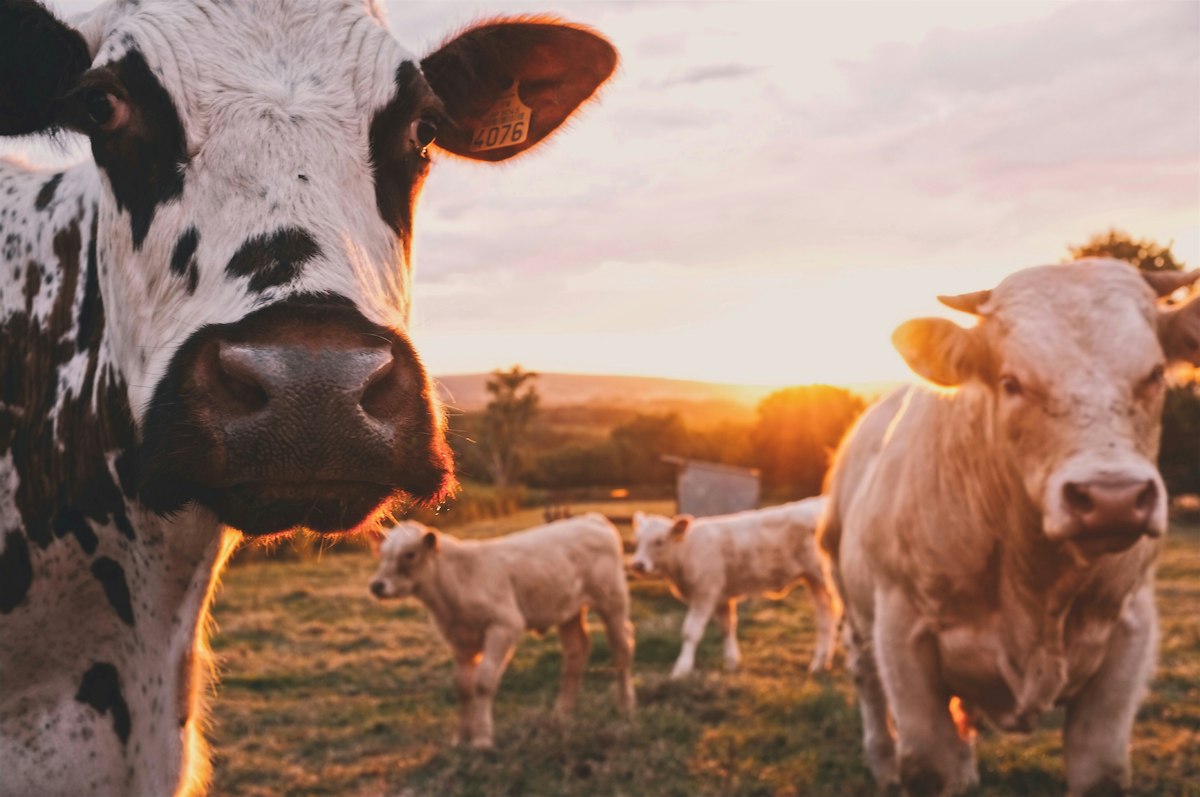
As Texas grapples with a severe drought that has persisted through the summer of 2026, farmers across the state are looking towards technological innovations to sustain their livelihoods and combat the pressing challenges of water scarcity.
The Texas Water Development Board reported that the state experienced its driest June since 1895, with several regions reporting less than 1 inch of rainfall. This alarming trend has prompted farmers from the Panhandle to the Rio Grande Valley to adopt new irrigation technologies and drought-resistant crop varieties.
In Amarillo, local farmers are now utilizing precision agriculture techniques that employ satellite imagery and soil sensors to optimize water usage. Jim Farris, the owner of Farris Farms, explained, “With every drop of water being critical, we can no longer afford to irrigate the way we did in the past. Technology is the only way forward.”
According to the Texas A&M AgriLife Extension Service, farmers who implemented these technologies have reported water savings of up to 30%. The use of drip irrigation systems and moisture sensors has also allowed them to achieve yields that are 15% higher compared to traditional methods.
Despite these advancements, the economic pressures are tangible. The U.S. Department of Agriculture (USDA) anticipates a decline of 8% in overall crop production for Texas in 2026, largely attributed to the ongoing drought conditions. The situation has left many farmers concerned about their financial viability as crop prices fluctuate.
In Lubbock, the local cotton industry, a significant contributor to the Texas economy, faces particularly acute challenges. Cotton prices have already fallen by 12% in the past year, causing further distress in a sector that is no stranger to volatility. “If we don’t get some relief soon, many farms may not survive this season,” stated Carla Jenkins, a fourth-generation cotton farmer.
State officials are taking notice. Governor Greg Abbott announced an emergency fund allocation of $50 million intended to assist farmers affected by the drought. Abbott commented, “We must do everything in our power to support our agricultural sector during this dire time. Texas agriculture is crucial to our economy and our way of life.”
While some farmers remain hopeful that technological advancements will mitigate the impact of drought, others fear that without significant rainfall, the future remains uncertain. As the state approaches the critical autumn planting season, all eyes will be on the weather forecasts and how farmers respond to an ever-changing landscape.
In conclusion, Texas farmers are at a crossroads, where the adoption of innovative agricultural practices could either pave the way for resilience or highlight the vulnerabilities exacerbated by climate change. As the drought continues to test the limits of their operations, the state's agricultural community stands united in its quest for sustainable solutions.