
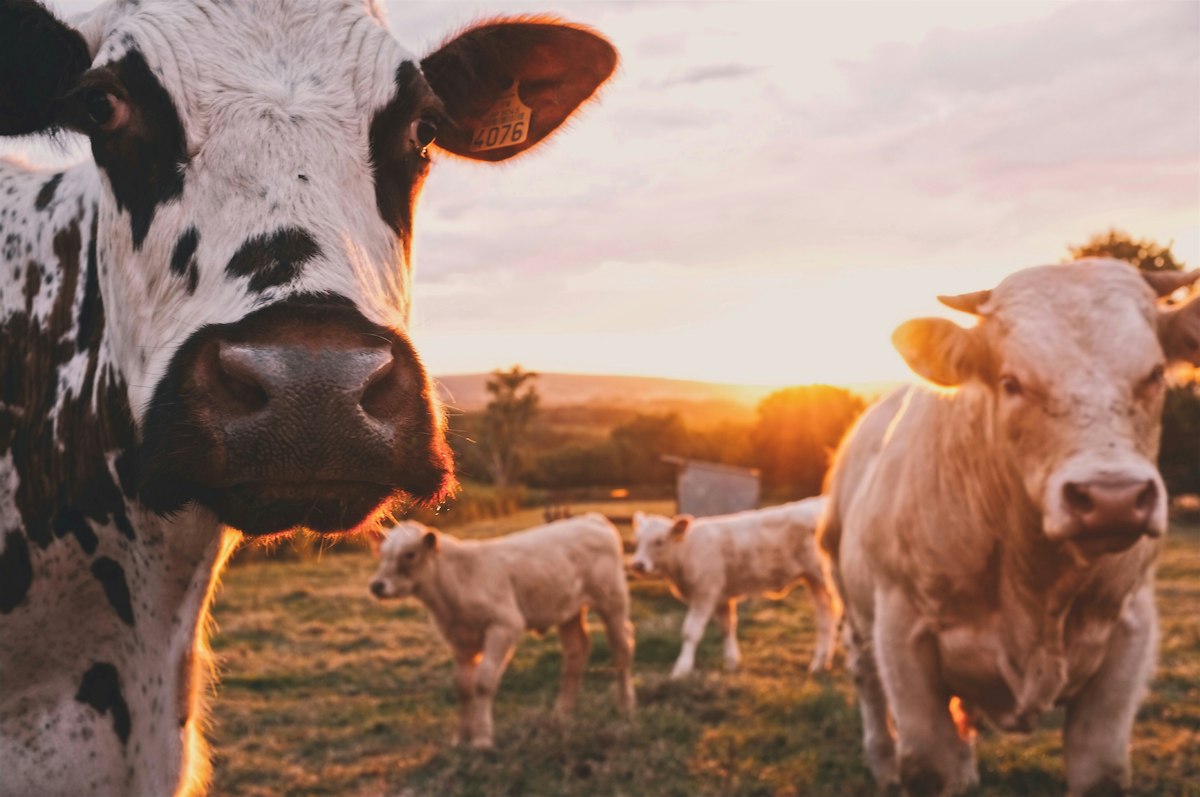
As Texas grapples with its ongoing drought, farmers across the state are increasingly turning to technology to safeguard their crops and sustain their livelihoods.
This year, the Texas Agriculture Commission reported that over 1.5 million acres of farmland have been affected by water shortages, leading to an estimated loss of $2 billion in agricultural output. The drought, which has persisted for nearly three years, has prompted farmers to seek innovative irrigation techniques and data-driven farming practices to optimize water usage.
In Amarillo, local farmer and technology advocate, John Reynolds, has implemented precision agriculture tools that utilize satellite imagery and soil moisture sensors to determine the exact needs of his crops. "We've seen a 30% reduction in water usage while maintaining our yields," Reynolds noted in a recent interview. "Technology is not just a luxury anymore; it's a necessity for survival in this climate."
Reynolds is among a growing number of Texas farmers who are investing in smart irrigation systems that can be monitored and controlled remotely. According to a report from the Texas A&M AgriLife Extension Service, adoption of such technologies is expected to increase by 40% over the next five years as more farmers seek to mitigate the impacts of climate change.
In addition to advanced irrigation solutions, the state has seen a surge in the use of drought-resistant crop varieties. In recent trials, Texas A&M has developed new strains of sorghum and corn that require significantly less water while still delivering high yields. "These innovations are critical as we face the realities of altered growing conditions," stated Dr. Sarah Patel, head of the Crop Sciences Department at Texas A&M.
However, the transition to these technologies is not without challenges. Many smaller farms, particularly in regions like the Rio Grande Valley, lack the capital necessary to invest in high-tech solutions. Efforts are underway to secure funding through grants and government programs to support these farmers in adapting to new agricultural practices.
As Texas farmers continuously adapt to changing conditions, the state’s agricultural sector remains a crucial component of the economy, contributing over $100 billion annually. The integration of technology may well determine the resilience and sustainability of Texas agriculture in the years to come.