
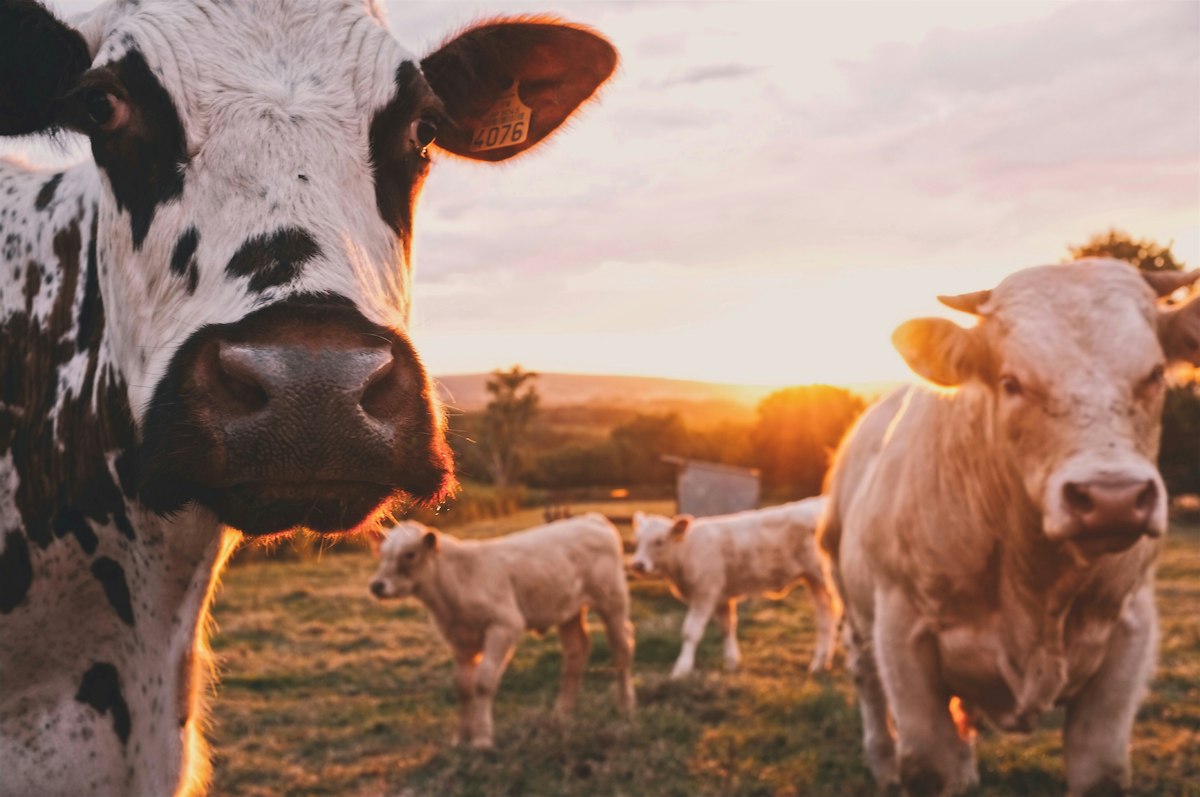
As the summer of 2026 unfolds, Texas farmers are facing the grim reality of a prolonged drought that has taken a heavy toll on the state's agricultural landscape. With the U.S. Drought Monitor reporting that over 60% of Texas is experiencing severe to extreme drought conditions, the implications for crop yields and livestock production are dire.
In areas such as the High Plains, where cotton is a primary cash crop, farmers are struggling to maintain irrigation systems that are both economically and environmentally sustainable. According to the Texas A&M AgriLife Extension Service, cotton yields are projected to drop by 30% compared to last year, a significant blow to an industry that already grapples with fluctuating market prices.
“We’re in an uphill battle right now,” said John Smith, a cotton farmer from Lubbock. “The lack of rainfall makes it increasingly difficult to produce a viable crop. We need to adapt quickly or face financial ruin.”
The impact of the drought is not limited to cotton. The Texas cattle industry, a cornerstone of the state's economy, is also under strain. With pastureland drying up, ranchers are forced to sell off cattle at a pace not seen in decades. Texas Cattle Feeders Association estimates that cattle numbers in the state have dropped by nearly 15% since the onset of the drought.
Moreover, the economic repercussions are expected to extend to related sectors, including feed suppliers and agricultural equipment manufacturers. The Texas Farm Bureau has projected that the agricultural losses due to the drought could exceed $1 billion this year alone.
In response, various initiatives are being implemented to help farmers and ranchers weather the storm. The Texas Water Development Board is investing in new water conservation technologies, while local governments are exploring emergency funding options to assist struggling agricultural businesses. “We’re doing everything we can to support our farmers during this challenging time,” said Melissa Johnson, director of the Texas Water Development Board.
As the Texas agriculture sector navigates this difficult landscape, many are calling for a renewed focus on sustainable practices and innovative technologies. The Texas Agriculture Commissioner has emphasized the need for resilience in the face of climate-related challenges. “We must prioritize conservation and efficiency if we want to secure the future of agriculture in Texas,” he stated.