
As Texas braces for a blistering summer, energy demand is skyrocketing due to soaring temperatures, placing unprecedented strain on the state’s power grid.
The National Weather Service has reported that temperatures across Texas have consistently exceeded 105°F for several consecutive weeks, with cities like Dallas and San Antonio experiencing some of the hottest weather on record.
In response, ERCOT (Electric Reliability Council of Texas) has warned consumers to conserve energy during peak hours. The grid operator has projected that demand could reach an all-time high of 80,000 megawatts this summer, surpassing the previous record set in 2023.
“This is an unprecedented situation for our state,” said Bill Magness, CEO of ERCOT. “We are implementing all necessary measures to ensure the stability of the grid, but we urge Texans to reduce their usage wherever possible.”
To meet the surging demand, power generators are activating additional resources, including natural gas plants, and ramping up output from renewable sources. However, experts have raised concerns about the sustainability of this approach, especially since many gas plants are still recovering from outages experienced during the winter storm of 2021.
The situation is exacerbated by the decline in available thermal generation, as several coal plants have been retired in recent years, resulting in a heavier reliance on natural gas and renewables. The Texas Coal Association reported that coal generation dropped by 30% over the past decade, further tightening the energy supply.
“While renewables are essential for our future, we must ensure that we have a balanced energy mix that can withstand extreme weather conditions,” warned Dr. Emily Pritchard, an energy policy expert at Texas A&M University.
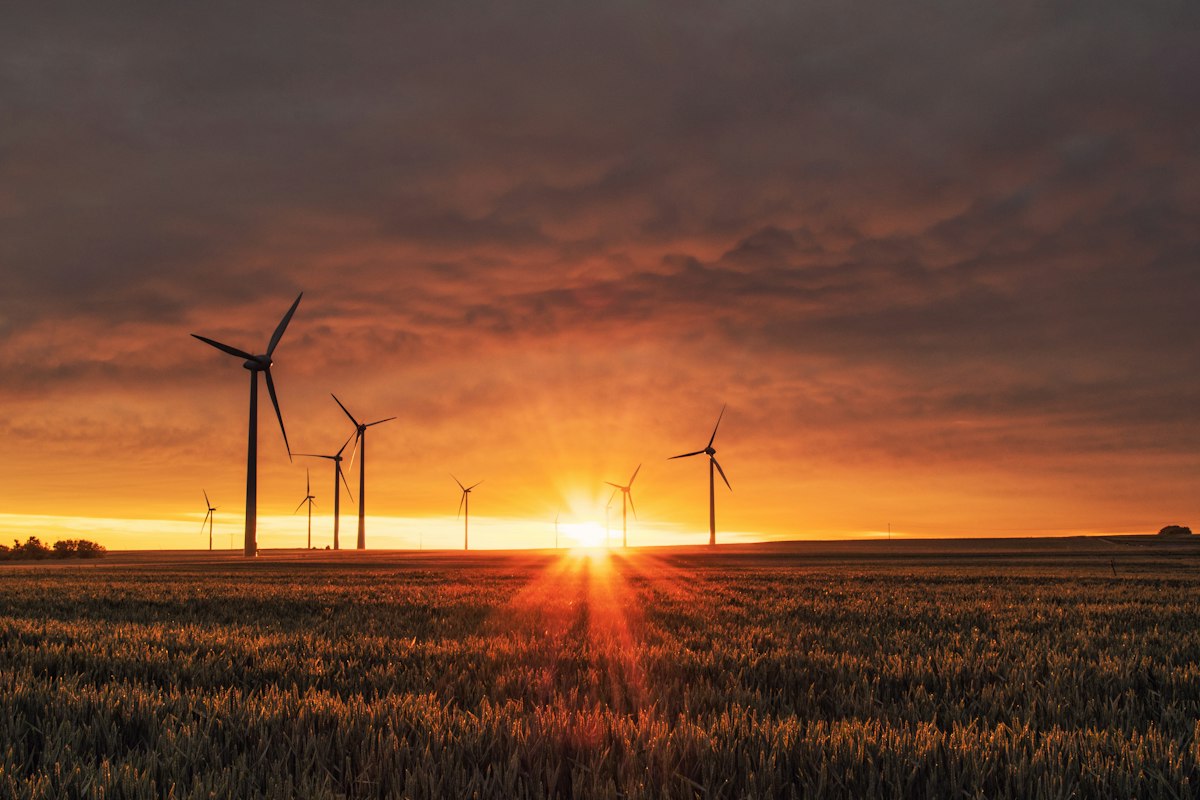
Despite the challenges, Texas continues to expand its renewable energy infrastructure, with more solar and wind projects coming online. Wind generation has reached a record share of the overall energy mix, providing roughly 30% of total electricity during windy periods.
As the heatwave continues, Texans are encouraged to take precautions to stay cool, while also being mindful of their energy consumption. Public awareness campaigns have been launched to educate residents on ways to save energy, particularly during peak demand hours.
Looking ahead, experts emphasize the importance of investing in grid resilience and energy efficiency to cope with the increasing frequency and intensity of extreme weather events. Stakeholders across the energy sector are meeting to discuss strategies for enhancing the reliability of the Texas grid amidst these climate challenges.
As Texas endures this record-breaking summer, the interplay between soaring temperatures and energy demand presents both challenges and opportunities for the state's evolving energy landscape.