
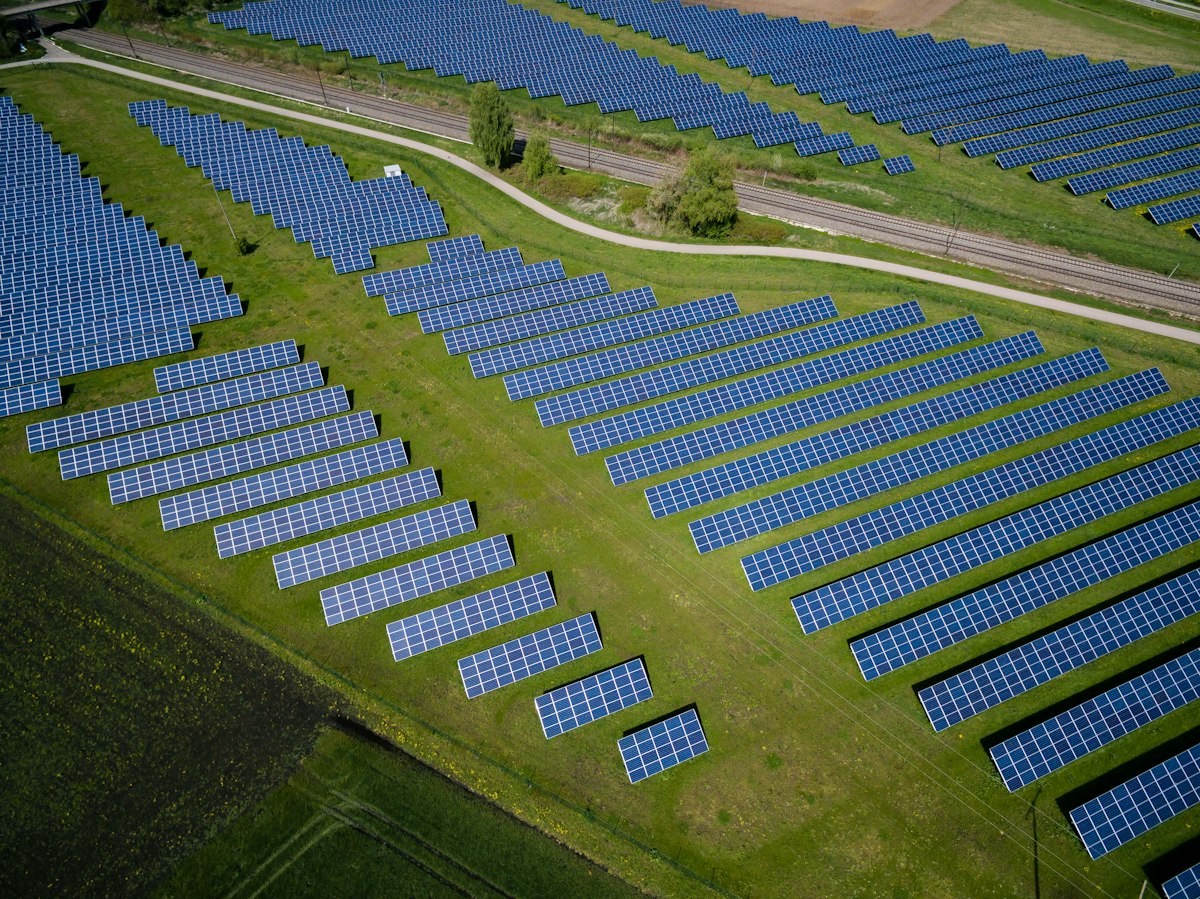
In a bold move aligning with national energy trends, the state of Texas has outlined plans to significantly enhance its renewable energy capacity by 2030, aiming for a target of 30 gigawatts (GW) from wind and solar sources.
The Texas Public Utility Commission (PUC) announced on July 22, 2026, that this initiative is in response to a projected 15% increase in energy demand over the next five years. The state's rapid population growth and booming industrial sector, particularly in Houston, have prompted these proactive measures.
“As we adapt to an evolving energy landscape, it’s crucial that Texas leads in the renewable sector,” said PUC Chairwoman DeAnn T. Walker. “This plan not only secures our energy future but also positions Texas as a beacon for sustainable growth.”
Currently, Texas stands as the nation’s leader in wind energy production, with over 30 GW installed capacity, and is rapidly advancing solar energy projects, which have nearly tripled in output over the past five years. The new targets aim to further cement this leadership position and attract investment in innovative technologies.
The PUC's plan includes streamlined permitting processes for solar and wind projects, along with incentives for energy storage systems to ensure reliability during peak demand periods. These measures are particularly pertinent as the state's grid operator, the Electric Reliability Council of Texas (ERCOT), anticipates record-high usage levels due to soaring temperatures this summer.
In a recent report, ERCOT stated that it expects demand to hit a new all-time high of 82,000 megawatts (MW) in late July, underscoring the urgency of expanding capacity. To mitigate potential energy shortages, ERCOT has implemented emergency protocols, including the potential for rolling blackouts if demand exceeds supply.
Investment in renewable technologies is also expected to create thousands of new jobs across the state. According to the Texas Workforce Commission, the clean energy sector could employ nearly 600,000 Texans by the end of the decade, with the majority of these opportunities located in Dallas-Fort Worth and San Antonio.
In addition to bolstering job creation, Texas’ renewed focus on renewables aims to reduce greenhouse gas emissions by 25% by 2035, aligning with international climate commitments. This shift is seen as essential not only for environmental sustainability but also for enhancing the resilience of the state's energy infrastructure.
With these ambitious goals, Texas is set to remain at the forefront of the energy transition, balancing the needs of a growing economy with the imperative of environmental stewardship.